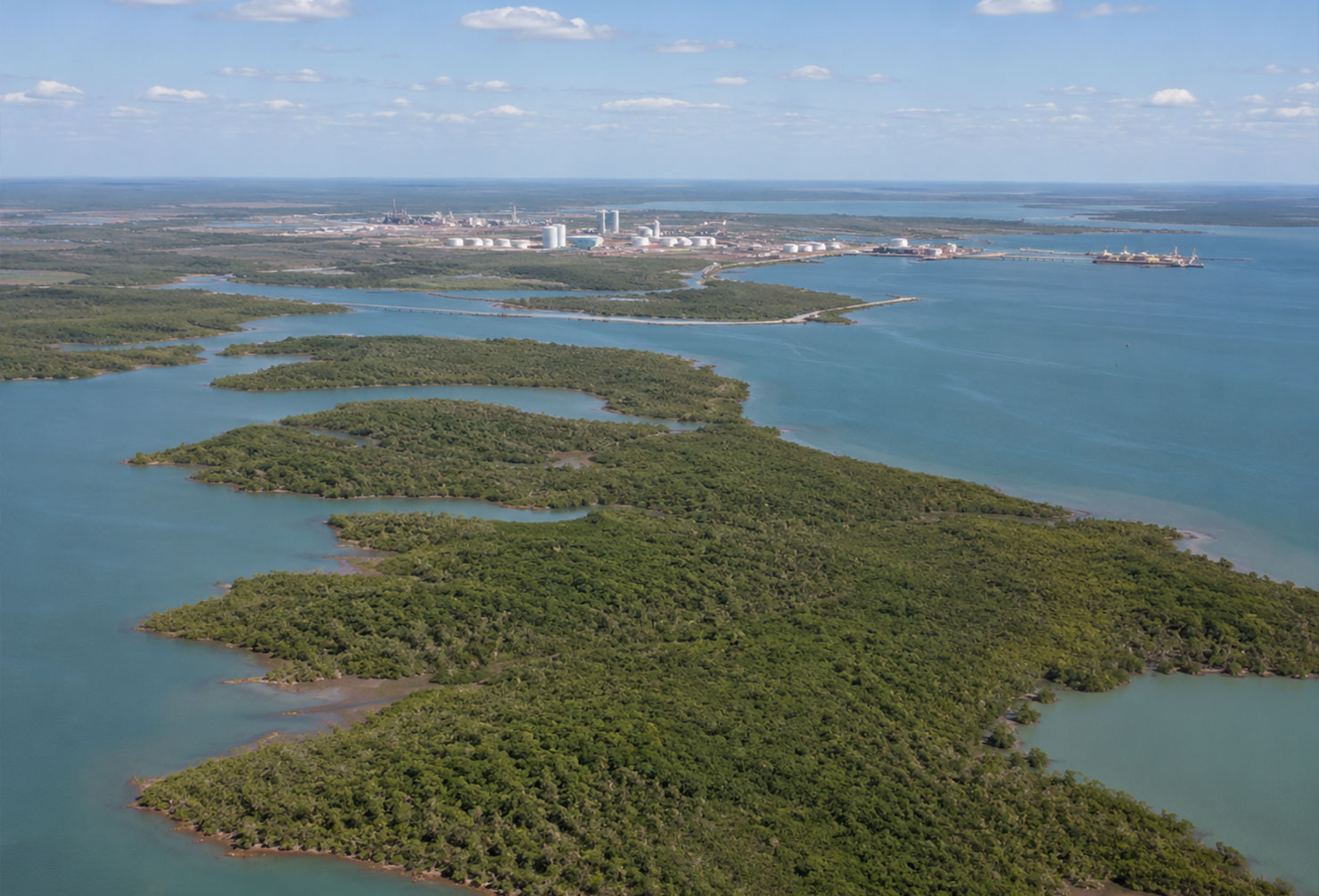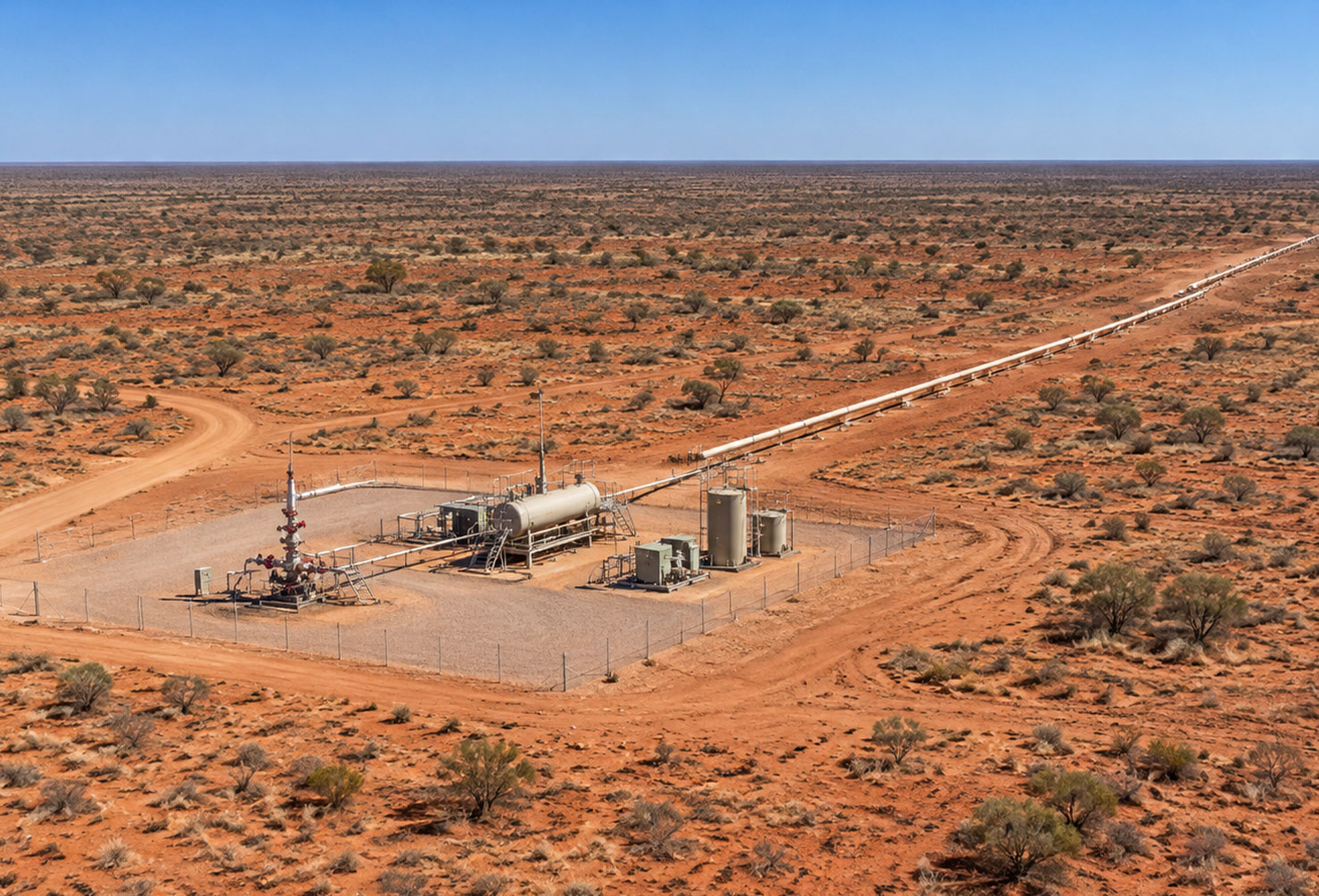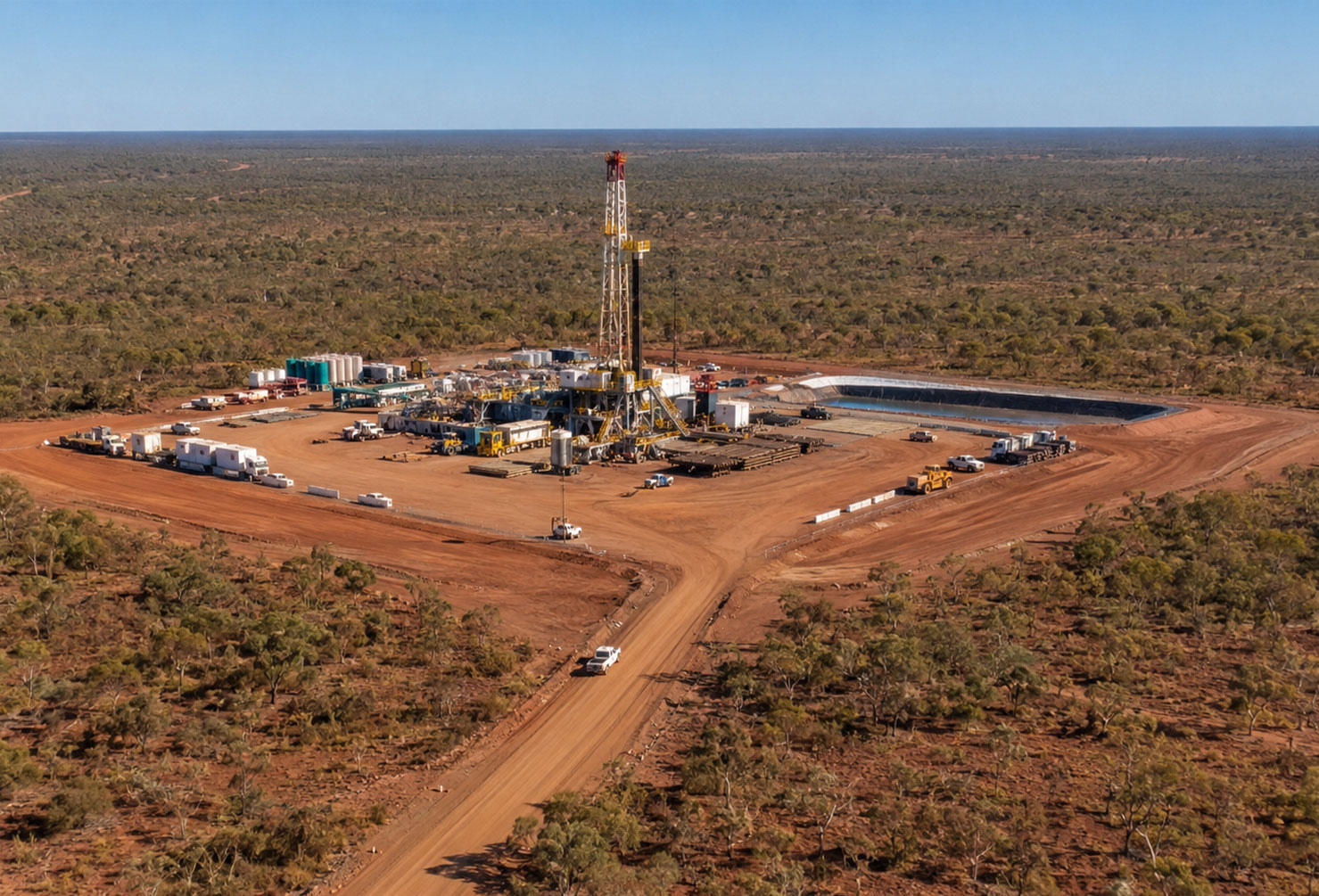
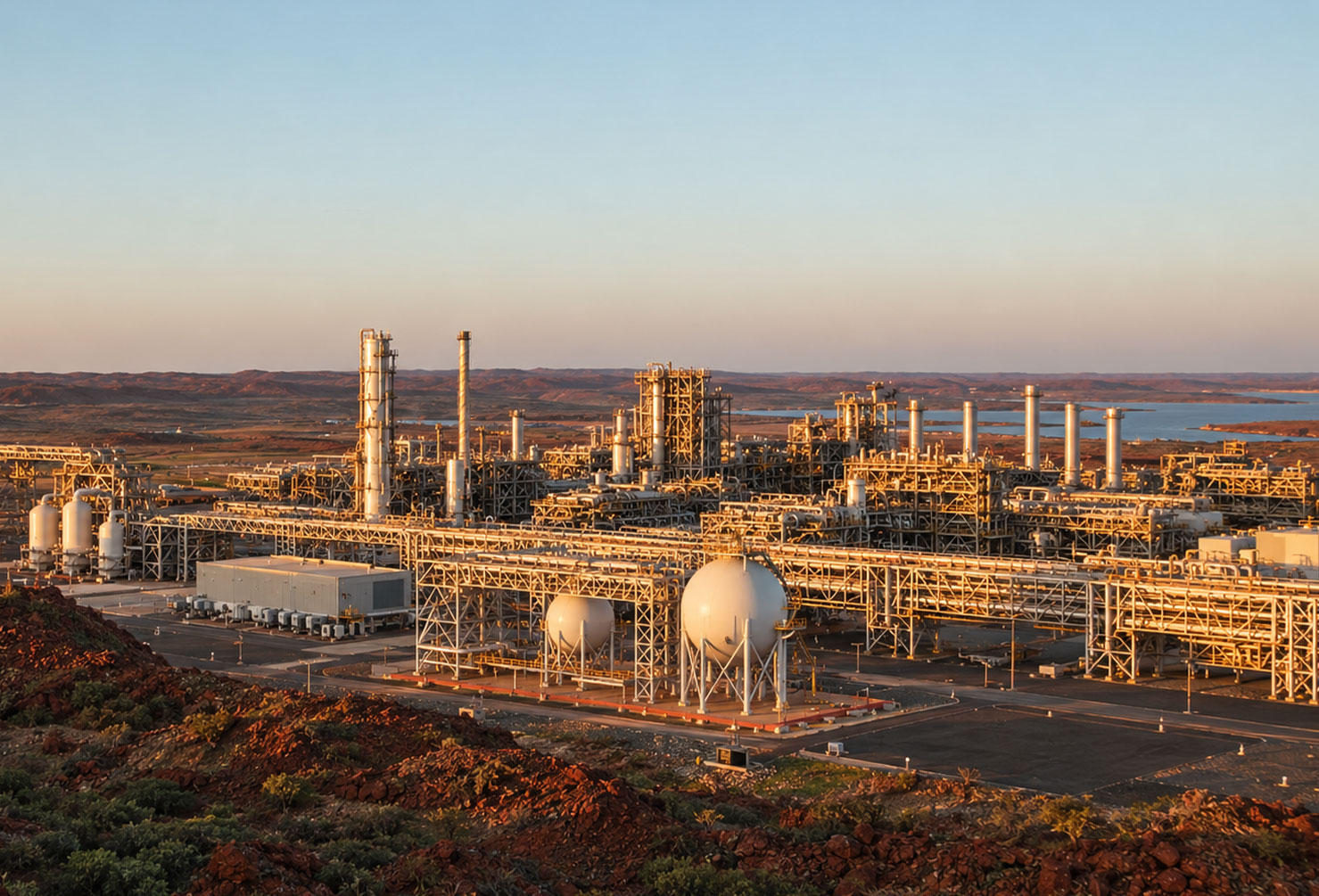
The Scarborough Energy Project was 99% complete at the end of September, excluding Pluto Train 1 modifications. Gas from the Scarborough reservoir has been introduced into the floating production unit and exported into the trunkline, and subsequent to the quarter end Scarborough gas was introduced to the warm end of the LNG train. First LNG cargo is targeted for the fourth quarter of 2026.
What stands between the project and that cargo is commissioning. Specifically, the commissioning and start-up of Pluto Train 2, the new 5 million tonne per annum liquefaction train built alongside the existing Pluto LNG facility. Scarborough start-up manager Tim Gibbons described first gas from the reservoir, achieved in July, as the culmination of years of planning, construction and commissioning. A Scarborough project manager, quoted in the same statement, noted that important work remains before first cargo is delivered.
That remaining work is the least visible phase of a major LNG project and the hardest to staff. It is worth understanding properly, because the next wave of Australian projects will go through the same sequence and the people who can do it are not numerous.
Where the Project Actually Sits
Scarborough is a natural gas field in the Carnarvon Basin roughly 375 kilometres off the Pilbara coast of Western Australia. Gas is produced through a semi-submersible floating production unit and travels approximately 430 kilometres by trunkline to the Pluto LNG facility at Karratha.
The development has three components. Pluto Train 2, built by Bechtel and designed to process around 5 million tonnes per annum. Modifications to the existing Pluto Train 1 so it can take up to a further 3 million tonnes per annum of Scarborough gas. And the offshore facilities and subsea infrastructure feeding both. Total project capacity is up to 8 million tonnes per annum of LNG, alongside domestic gas supply for the Western Australian market.
Woodside’s third quarter report, published on 21 October, put Scarborough and Pluto Train 2 at 99% complete at the end of September and on budget. During the quarter, FPU and subsea production system commissioning continued, including well clean-up and the export of gas to pressurise the trunkline. Onshore, all mechanical runs of the Pluto Train 2 compressors were completed, following the gas turbine generator synchronisation with the Pluto site power grid reported earlier in the year. Subsequent to the quarter end, Scarborough gas was introduced to the warm end of the LNG train, the gas pre-treatment section. Modifications to Pluto Train 1, which sit outside the 99% figure, continued through the quarter and have been guided for completion by early 2027.
Why Commissioning Is the Hardest Phase to Staff
Construction is a volume problem. At peak, Scarborough supported thousands of workers. Woodside described the final Pluto Train 1 modifications module as the product of four years of planning, fabrication and shipping, involving the EPCM contractor, some 2,000 workers across that effort and a team of Woodside staff. Those numbers are large but the roles are well defined and the labour market for them is deep.
Commissioning is the opposite. The headcount is a fraction of construction peak, but the people are far harder to find. An LNG train commissioning engineer needs to have done it before, on a comparable facility, because the work involves judgement calls that cannot be learned from a procedure. Knowing when a system is genuinely ready, when a reading is a nuisance alarm and when it is a real problem, and how to sequence the handover of dozens of interdependent systems without creating a safety exposure, is experiential knowledge.
The pool of people who have commissioned an LNG train is small globally and smaller in Australia, where greenfield trains are built rarely. Every operator running a commissioning programme is competing for substantially the same individuals, and they are typically committed eighteen months to two years ahead.
What the Sequence Actually Looks Like
LNG train commissioning follows a defined progression, and each stage requires different specialists working in sequence rather than in parallel.
- Pre-commissioning and system walkdowns. Physical verification that what was built matches what was designed. Piping, instrumentation, electrical terminations, tagging. This is detail work carried out by commissioning technicians and engineers alongside the construction contractor, and errors found here are far cheaper than errors found later.
- Mechanical completion and system handover. Systems are formally transferred from the construction organisation to the commissioning team, system by system rather than all at once. Each handover has a punch list, and the discipline of not accepting a system before it is genuinely ready is one of the things that separates a smooth start-up from a difficult one.
- Utilities and support systems first. Power, instrument air, nitrogen, cooling water, flare. None of it produces LNG, all of it has to work before anything else can be introduced, and it is where early commissioning effort concentrates.
- Dry-out, purging and first gas introduction. Moisture is removed from the system, air is purged with nitrogen, and hydrocarbon is introduced for the first time. This is the point at which the facility becomes live and the risk profile changes materially.
- Cold box cool-down. The main cryogenic heat exchanger is brought down toward operating temperature on a controlled ramp. Cool-down is slow by design, because thermal stress on a cold box is a genuine integrity risk, and it is one of the stages where specialist experience matters most.
- First LNG production and tank filling, then cargo loading. Production ramps, the tank fills, and the facility proves it can sustain rates long enough to load a vessel.
A cargo is not simply the first LNG produced. It is the point at which a facility has demonstrated it can run reliably enough to fill a ship, which is why first cargo rather than first LNG is the milestone the market watches.
The Roles Under the Most Pressure
The specialist profiles in demand during this phase are specific, and most of them cannot be substituted with adjacent experience.
- LNG train commissioning engineers, particularly those who have taken a greenfield train from mechanical completion through to stable production. This is the scarcest profile of the lot.
- Operations readiness managers, who bridge the project organisation and the eventual operating team, and who own the question of whether the facility can actually be run once it is handed over.
- Process safety engineers, carrying the risk assessment and management of change load through a period when the facility’s configuration shifts weekly.
- DCS and control systems specialists for loop checking, alarm rationalisation, interlock testing and the control system tuning that determines whether start-up is stable or fights the operators.
- Rotating equipment engineers for the compressors and turbines, where vibration, alignment and performance testing determine whether the train can hold rates.
- Cryogenic and cold box specialists for the cool-down sequence and the integrity management that goes with it.
Beyond the technical roles sits the operations team itself. The people who will run Pluto Train 2 for decades need to be recruited, trained and embedded during commissioning, not after it, because commissioning is where they learn the facility’s actual behaviour rather than its design intent.
Why the Critical Path Has Moved Onshore
One observation worth drawing out, because it is often misunderstood from outside. Commissioning on a project of this scale is not sequential. Onshore work at Pluto Train 2 has been running in parallel with offshore activity for a considerable period. Woodside reported first ignition of the additional gas turbine generator in late 2025, with preparation underway for the first run of the liquefaction compressors, months before first gas was achieved offshore in July.
What has changed is not the start of onshore work but where the critical path sits. With the FPU at ready for start-up and gas flowing, the offshore scope is substantially complete and Pluto Train 2 now determines the schedule. That concurrency is worth understanding from a workforce perspective, because it means a scarce specialist pool has been spread across offshore and onshore fronts simultaneously rather than moving from one to the next. Commissioning programmes are rarely the tidy linear sequence they appear to be in a project schedule.
The other point is duration. Commissioning on a facility of this scale is measured in months, not weeks, and the gap between first gas and first cargo is not slippage. It is the work. Woodside CEO Liz Westcott put it directly at the half-year results: the focus is on disciplined execution through to start-up, and the company is taking the time to bring the facilities online safely and reliably. Treating that period as a buffer to be compressed is one of the more reliable ways to create a difficult start-up.
What Operators Planning 2027 Programmes Should Take From This
For anyone with a commissioning programme ahead of them, there are three practical conclusions.
The first is that commissioning workforce planning starts at final investment decision, not at mechanical completion. The specialists required are committed eighteen months to two years in advance. An operator who begins sourcing when construction is winding down is already too late, and will be choosing from whoever the earlier movers did not take.
The second is that verification matters more in this phase than almost any other. An under-qualified person in a commissioning role does not simply underperform. They create safety exposure in a facility that is live, and they make sequencing decisions whose consequences surface weeks later. The screening process for commissioning talent needs to be as rigorous as the technical planning for the start-up itself.
The third is that the pool is global and Australia competes for it. The same individuals are sought by projects in the US Gulf Coast, Qatar, East Africa and Southeast Asia. Offering more money attracts people who are between assignments. It does not increase the total number of people who have commissioned an LNG train.
After First Cargo
When the first cargo leaves Karratha, the demand profile shifts again rather than ending.
Pluto Train 1 modifications still have to be integrated so the existing train can take its share of Scarborough gas. Production ramps toward nameplate across a period in which the facility’s real operating envelope is established. And the long-duration operational workforce takes over: production and process operators, instrument and electrical maintenance technicians, reliability and integrity engineers, turnaround planners.
Those are the roles that sustain 8 million tonnes per annum for decades, and they are the quieter half of the story. The operational workforce on an LNG facility is a fraction of the construction peak, but it is permanent. The construction workforce moves on. The operations workforce stays, and the people who commissioned the facility are disproportionately valuable within it, because they understand why the plant behaves the way it does.
Scarborough is close now. The offshore scope has landed, the final module is on site, and Pluto Train 2 commissioning is the remaining work. For the broader Australian industry, what happens over the next few months is worth watching closely, because Browse, the next wave of backfill projects and every LNG development that follows will need the same people to do the same work.