On 15 August 2026, Equus Energy announced a binding but conditional 10-year gas sales agreement with Alcoa of Australia, establishing the aluminium producer as the foundation domestic customer for the Equus Gas Project on Western Australia’s North West Shelf. Under the agreement, Equus will supply approximately 50 terajoules of gas per day to Alcoa following project start-up, equivalent to 182 petajoules over the contract term. In return, Alcoa will provide up to US$30 million to fund the project’s front-end engineering design study, covering project costs through to final investment decision.
The deal moves the Equus Gas Project from pre-FEED to FEED. For a project that has been in concept development for nearly a decade, with more than $1.8 billion spent on exploration, appraisal and environmental studies since 2007, the Alcoa agreement is the commercial foundation the project has been working toward. For the workforce, it signals that pre-FID engineering and project development activity on a new North West Shelf gas project is funded and starting now.
What the Equus Gas Project Actually Is
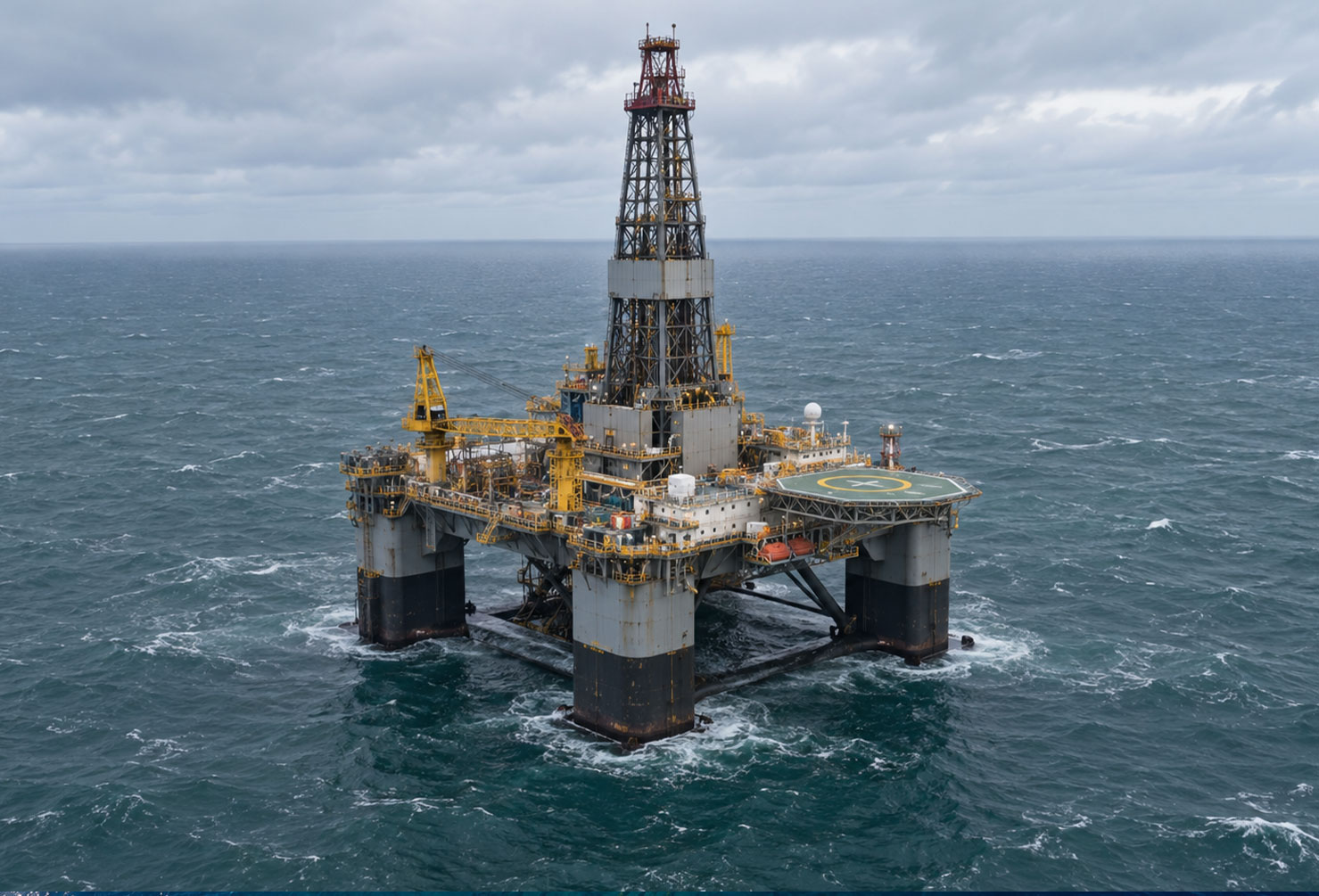
The Equus Gas Project is an offshore gas and condensate development located approximately 200 kilometres northwest of Onslow in the northern Carnarvon Basin, in water depths of approximately 1,100 metres. The project hosts independently certified contingent resources of 1.7 trillion cubic feet of gas and 38 million barrels of condensate. Wholly owned and operated by Equus Energy, the project was originally acquired from Hess Corporation in 2017 when the company was known as Western Gas, before it rebranded to Equus Energy in December 2025.
The project’s defining commercial characteristic is its design around a tie-back to existing North West Shelf infrastructure rather than a standalone greenfield build. Pre-FEED, completed in May 2026, validated two tie-back pathways: a connection to Woodside’s Pluto LNG facility and a connection to Santos’ Varanus Island gas plant. Both options provide access to LNG export markets and the WA domestic gas network. The ability to leverage spare gas processing capacity in established NWS infrastructure is what makes Equus capital-efficient relative to new-build alternatives of comparable scale.
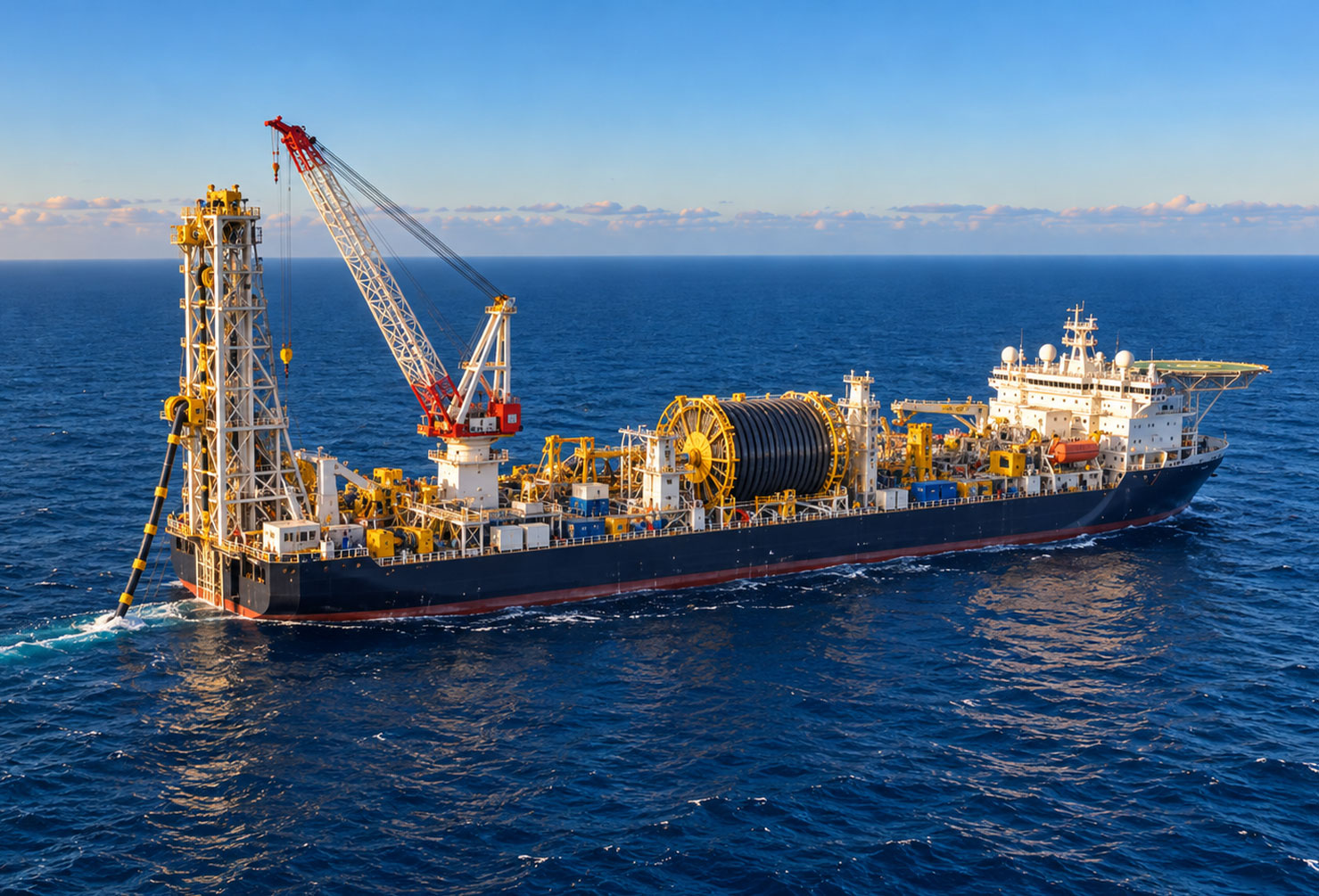
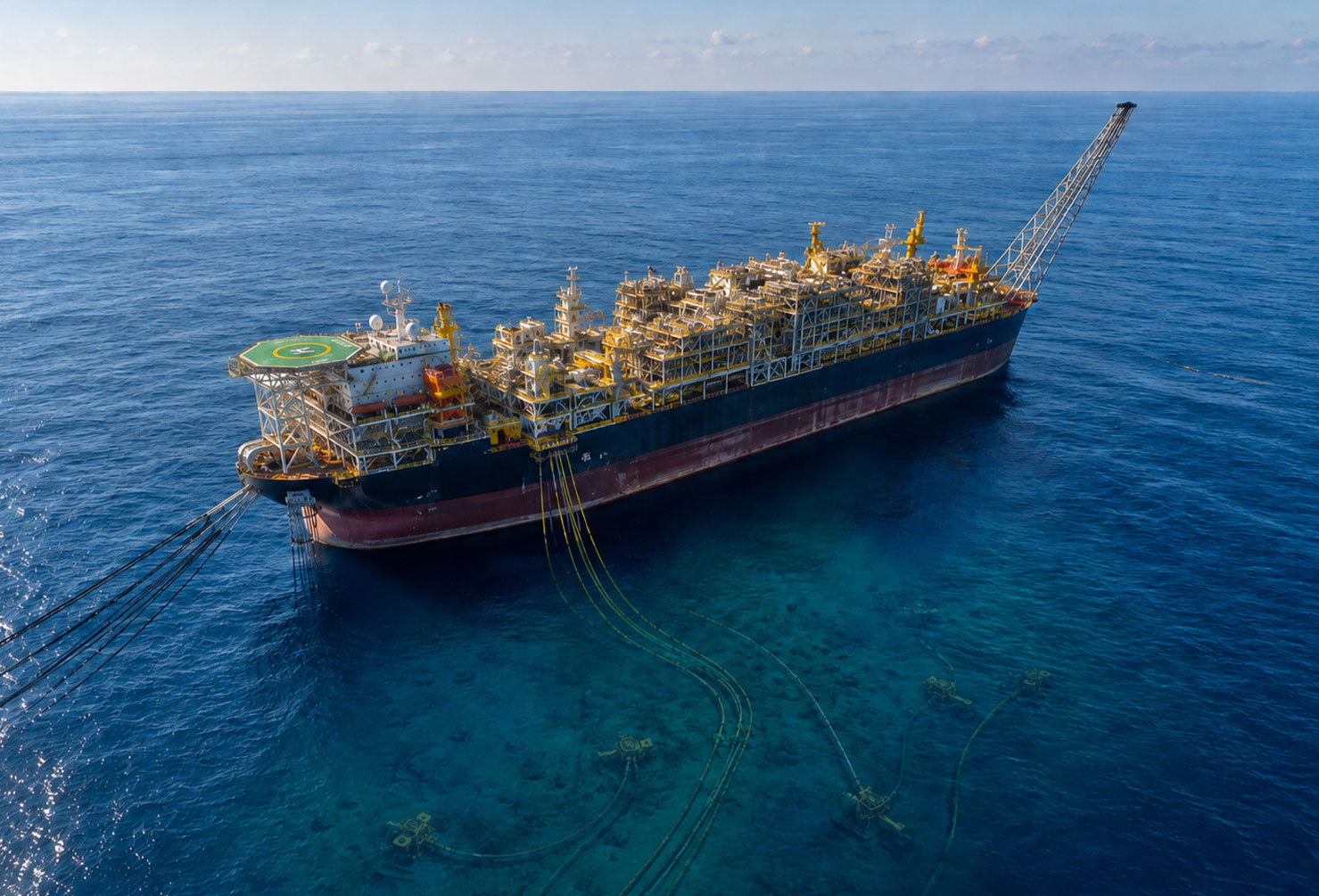
The planned development uses a floating production, storage and offloading vessel with a subsea tie-back to the producing fields, a configuration well-suited to the project’s water depth and resource profile. At full production, the project targets 50 TJ/day of domestic gas, 2 million tonnes per annum of LNG for export, and 12,000 barrels per day of condensate over a 15-year project life.
The Alcoa Relationship and What It Means
The Equus-Alcoa relationship is not new. Alcoa has been a funding partner for Equus through successive phases of project development, providing staged funding under a binding gas sales and funding agreement that has supported pre-FEED activity. The 15 August GSA is the formalisation of that partnership at commercial scale, converting a development-phase funding arrangement into a binding but conditional long-term supply commitment.
Alcoa’s appetite for WA gas supply is substantial and growing. The company recently acquired most of South32’s Australian aluminium supply chain assets, including the Worsley bauxite mine and alumina refinery in WA, adding significantly to its existing Pinjarra and Wagerup refinery portfolio. Alumina refining is an energy-intensive process and long-term gas supply security is a material strategic concern for Alcoa’s WA operations. The Equus agreement, covering approximately 5% of the WA domestic gas market and 25% of Alcoa’s long-term WA gas requirements, addresses that concern at meaningful scale.
It is worth noting the distinction between this agreement and the Woodside-Alcoa deal signed in June 2026. The Woodside agreement covers 31.1 PJ of WA gas supply commencing in 2027. The Equus agreement covers 182 PJ over 10 years commencing at project start-up, which remains subject to FID. These are separate agreements with separate suppliers at different stages of development, reflecting the breadth of Alcoa’s WA supply diversification strategy.
Why FEED Creates Immediate Workforce Demand
The transition from pre-FEED to FEED is one of the most consequential phase changes in a major project’s lifecycle from a workforce perspective. Pre-FEED is primarily a desktop and modelling exercise, carried out by a small team of specialist engineers assessing concept viability. FEED is where design decisions are made in enough detail to support a final investment decision, which requires a substantially larger and more diverse team working across multiple technical disciplines simultaneously.
For a project like Equus, FEED work will draw on:
- Subsea engineers and naval architects for the FPSO design and subsea tie-back system, including the flowlines, umbilicals and subsea control systems connecting the wellheads to the production facility.
- Process engineers for the topsides design on the FPSO, covering gas processing, condensate handling, utilities and the control systems that govern production operations.
- Pipeline engineers for the tie-back connection to the existing NWS infrastructure at either Pluto or Varanus Island, including flow assurance modelling for the long-distance subsea connection.
- Structural and marine engineers for the FPSO hull and mooring system design in the Carnarvon Basin’s environmental conditions.
- Environmental and heritage specialists for the ongoing regulatory submissions and environmental impact assessment documentation that FEED-stage projects are required to prepare.
- Procurement and cost estimating professionals to develop the detailed cost estimates that underpin the FID decision.
- Project management and controls professionals to manage the FEED program across multiple technical workstreams and contractor organisations.
The Alcoa US$30 million funding commitment provides the financial basis for this work. With pre-FEED completed and the GSA executed, FEED work is expected to commence promptly. Equus is also actively pursuing upstream partnering arrangements and infrastructure access agreements in parallel, which will require commercial, legal and regulatory professionals in addition to the core technical team.
The Broader WA Domestic Gas Context
The Equus-Alcoa agreement sits within a broader pattern of WA domestic gas market activity that is worth understanding. Western Australia’s domestic gas reservation policy requires that producers retain at least 15% of production for domestic sale over a project’s life. The Equus agreement fully satisfies this obligation. But the scale of the deal, and the fact that Alcoa now holds three separate WA gas supply agreements covering different supply timelines, reflects something more than regulatory compliance.
Peak day gas demand in WA is forecast by AEMO to increase from 2026 by 36% to 558 TJ/day by 2035, with winter seasons recording the highest demand levels. The industrial base driving that demand, mining, alumina refining, lithium processing and associated downstream industries, requires long-term supply certainty rather than spot market access. The pattern of major WA industrial users locking in foundation supply agreements with emerging upstream projects is a direct response to that structural demand growth.
For operators and workers in WA’s upstream sector, this pattern has workforce implications beyond the Equus project itself. Each new FEED program that commences, each foundation supply agreement that is executed, and each project that moves toward FID adds to the cumulative demand for the specialist engineering and project development workforce that WA’s upstream sector is already stretching to supply. Equus entering FEED adds one more claim on that workforce at a time when Scarborough is commissioning, Dorado is running its 2027 appraisal program, and Browse is moving through accelerated approvals as a State Significant Project.
What Workers and Operators Should Take From This
For workers with subsea, FPSO, pipeline or offshore engineering backgrounds, the Equus FEED program represents a pre-FID engagement opportunity that does not require waiting for a final investment decision. FEED work is funded, it is technically substantive, and it builds the project-specific knowledge that makes candidates valuable throughout the project’s subsequent phases if it proceeds to FID.
For contractors and service companies in WA’s offshore engineering sector, the Equus partnering process is worth tracking. Equus is actively seeking upstream partners and infrastructure access agreements. The contractors and service companies that build relationships with the Equus project team during FEED are better positioned than those who engage only after FID.
For operators and employers planning their workforce strategies for 2027 and beyond, Equus entering FEED adds another competing demand for WA’s offshore engineering specialist pool alongside Dorado, Browse and the ongoing NWS brownfield programs. The cumulative effect of multiple NWS projects simultaneously in pre-FID engineering phases is a material constraint on the available talent pool that requires early planning rather than reactive hiring.
The Equus Gas Project has been in development for nearly a decade. With pre-FEED completed, a foundation customer secured, and FEED funding committed, the distance between where the project is today and an FID is shorter than it has been at any point in that history. Whether that translates into a 2026 or 2027 FID depends on partnering progress and infrastructure access arrangements that are still being negotiated. What is certain is that the workforce implications of that FID, when it comes, begin now.