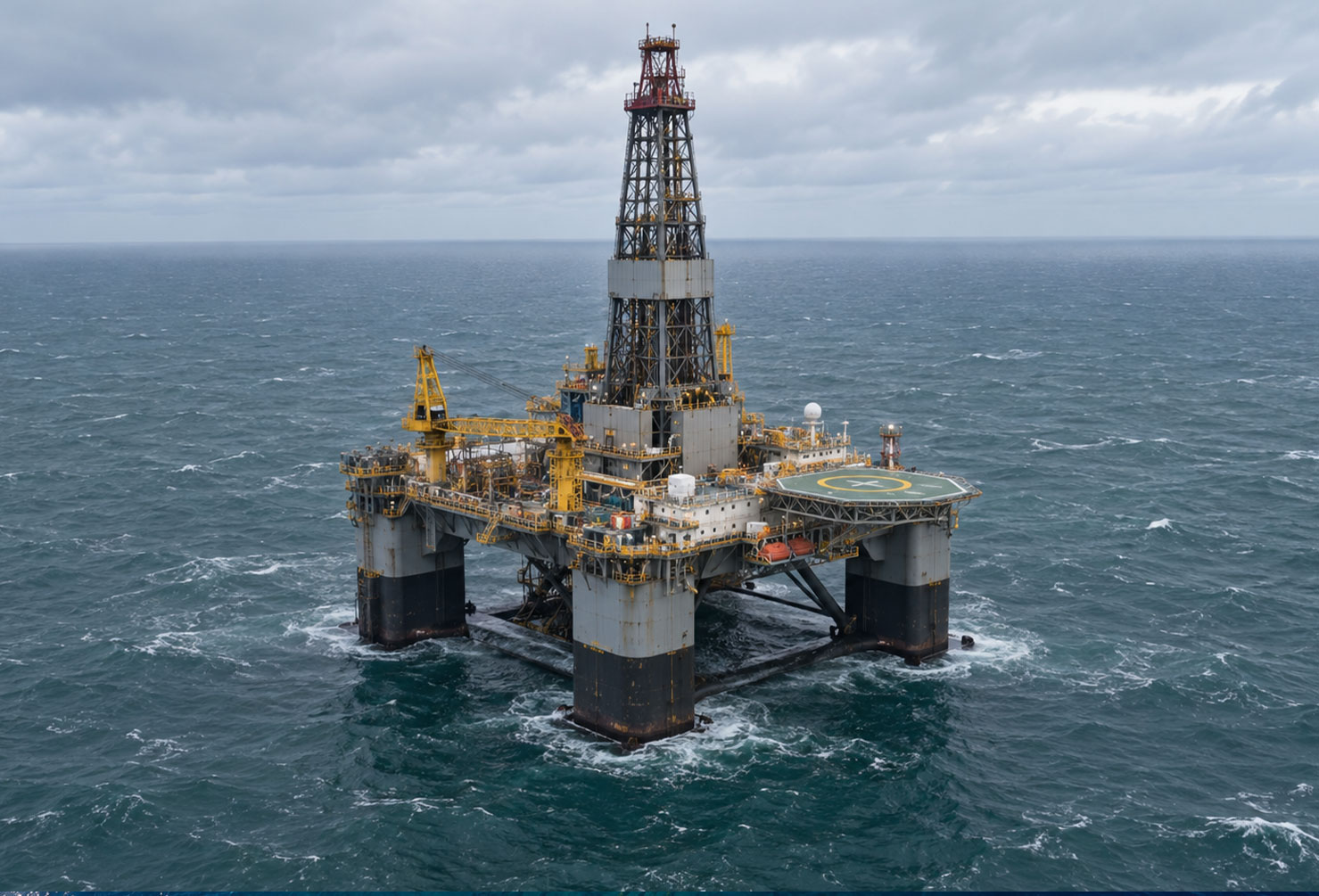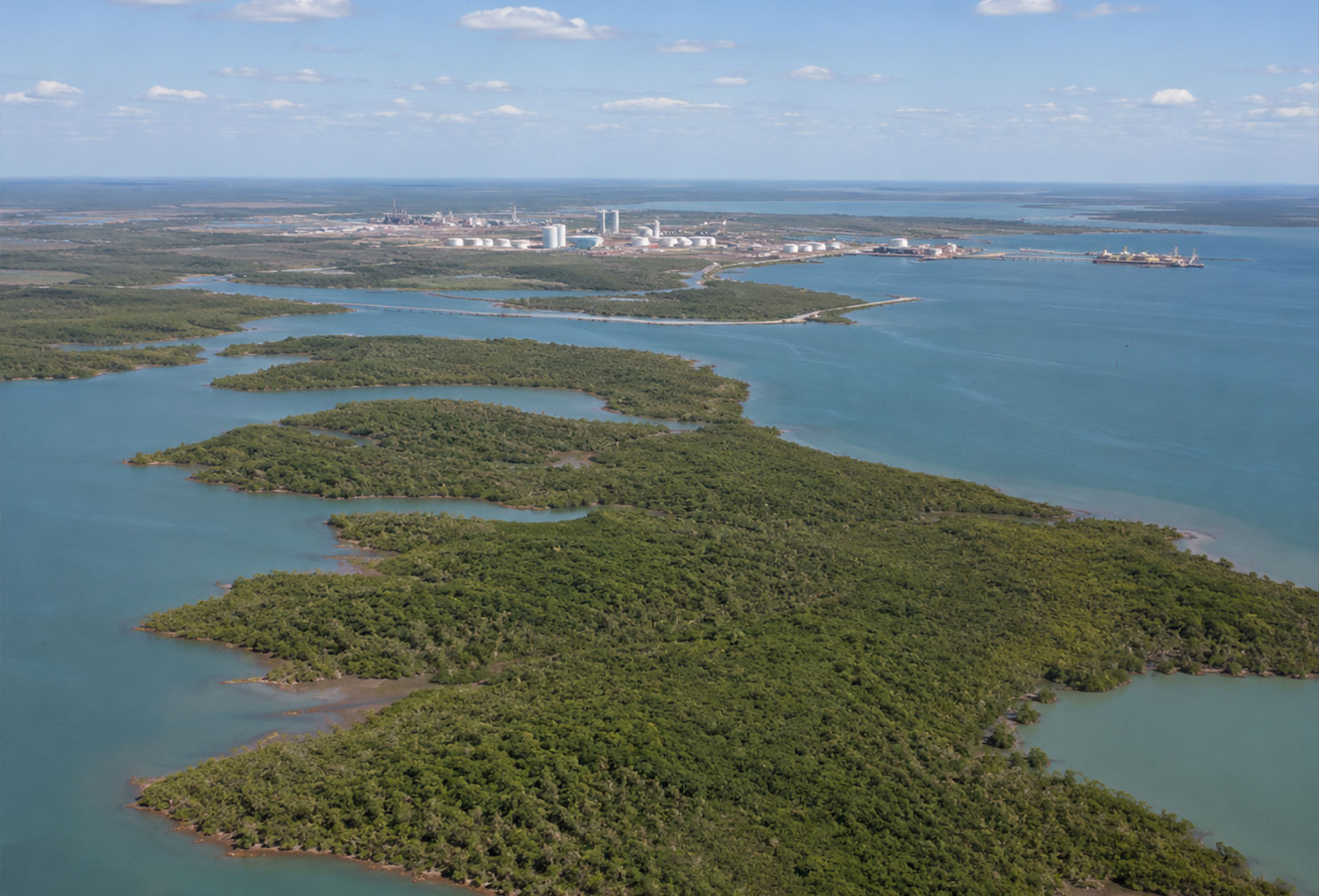
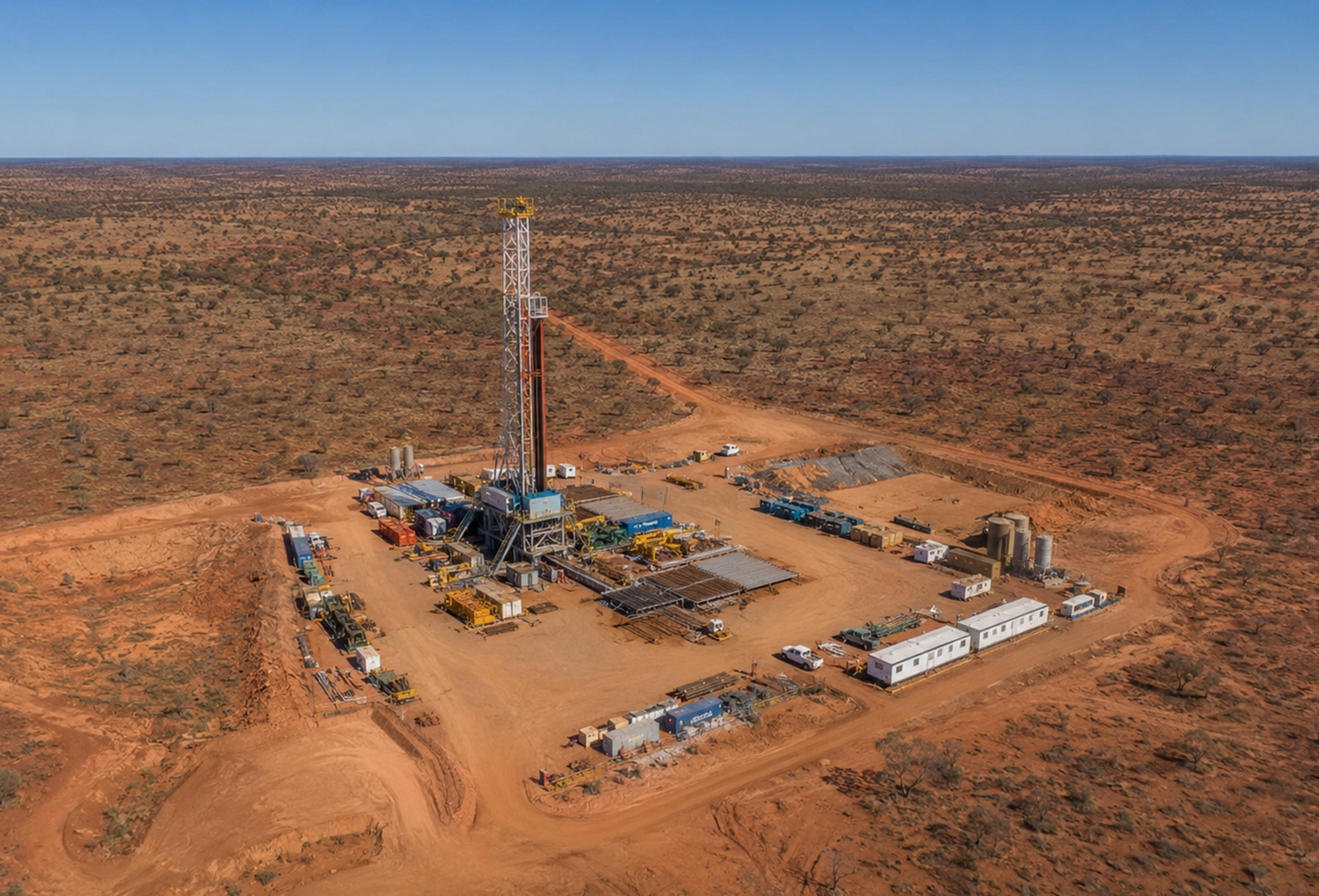
A$471 million. That is what Australian oil and gas companies spent on exploration in the March 2026 quarter alone, a figure that represents the highest quarterly exploration spend in a decade. Year-on-year, that is a 46% increase. Rystad Energy forecasts total exploration spending in Australia will exceed $1 billion across 2026, a 10% increase on 2025.
These are significant numbers. They signal a sector that has made a clear decision: after nearly a decade of capital discipline, declining exploration budgets and workforce contraction, Australia’s upstream industry is drilling again. The drivers are real and mutually reinforcing. Asian gas demand is growing rather than declining. The Iran war and Hormuz disruptions have put energy security at the top of every government’s agenda. And the domestic gas supply gap that AEMO has been forecasting for years is close enough now to feel urgent.
What the exploration spending figures do not capture is the other side of this equation. The workforce required to execute $1 billion of annual exploration activity in Australia does not exist in the form the market needs it. That gap, between the capital committed and the people available to spend it effectively, is where the real story sits.
Where the Money Is Going
The exploration surge is not spread uniformly across the country. Government data and industry reporting point to three regions absorbing the majority of current activity.
The Otway Basin offshore Victoria is the most active conventional play, driven by the production licence granted to Amplitude Energy’s Annie gas field in May 2026 and the broader pipeline of Otway Basin development that Amplitude and others are pursuing. The basin has existing offshore infrastructure, established regulatory relationships and a committed domestic supply mandate that makes it a relatively de-risked exploration environment.
The Beetaloo shale formation in the Northern Territory is the most significant unconventional play. Santos and Tamboran Resources are both running active appraisal programs. Jemena’s Northern Territory Gas Strategy and APA Group’s Sturt Plateau Pipeline permit provide the infrastructure framework for getting Beetaloo gas to market. The basin has the potential to be transformational for Australia’s east coast supply picture, though production at commercial scale remains years away.
The Taroom Trough in Queensland is the most immediately active story. Shell is running the largest 3D seismic survey ever completed in Queensland. Elixir Energy’s Lorelle-3H well achieved sustained gas flow in late June, the first horizontal well tested outside Shell’s primary acreage on the western flank. Omega Oil and Gas has begun a multi-well drilling campaign. Santos is set to become the operator of the ATP2056 permit as the appraisal phase completes. Multiple operators, active programs, real results. The Queensland Government backed it with $19 million in the 2026-27 Budget.
Across all three basins, the common thread is genuine capital commitment rather than speculative intent. These are not preliminary studies or desktop reviews. This is drilling, seismic acquisition, well testing and appraisal, which requires people on the ground and in the field.
The Workforce That Was Not Built
Between approximately 2015 and 2022, Australian upstream exploration spending was at multi-decade lows. The oil price collapse of 2014 to 2016, the subsequent capital discipline era, and the uncertainty of the COVID period all contributed to an extended period in which exploration budgets were reduced, exploration teams were shrunk and the workforce development pipeline that would have produced the next generation of drilling engineers, geoscientists and completions specialists was severely curtailed.
The people who would have entered the exploration workforce during that period largely did not. Some chose different careers. Some went into adjacent sectors. Some left Australia. The graduate and trainee pipelines that major operators and their contractors ran in more active periods were wound back. The mentoring and knowledge transfer programs that pass exploration experience from one generation to the next were deprioritised.
A decade of underinvestment in exploration talent cannot be unwound in a quarter. Rystad Energy’s forecast of more than $1 billion in exploration spending in 2026 implies a workforce requirement that the current available pool struggles to meet. The most acute shortages are in the roles that take the longest to develop.
Which Roles Are Under the Most Pressure
The exploration and appraisal phase of oil and gas development requires a specific set of profiles that differ from both construction-phase and operations-phase workforces. The roles under the most pressure in the current Australian market include:
- Drilling engineers with onshore unconventional experience, specifically those familiar with horizontal well design and multi-stage hydraulic fracture stimulation programs. The Taroom Trough and Beetaloo Basin both require this profile in volume. It is not a common skill set in Australia.
- Rig crews across all disciplines: drillers, toolpushers, derrickmen, floorhands and mud engineers. Multiple concurrent drilling campaigns across three basins means competition for experienced rig crews is acute. Crews that were released during the low-activity period have not all returned to the Australian market.
- Wellsite geologists and petrophysicists for real-time formation evaluation during drilling programs. These roles require specific training and mentoring that takes years to develop. The cohort of experienced wellsite geologists in Australia is smaller than the current demand requires.
- Completions engineers with hydraulic fracture stimulation experience. Both the Taroom Trough and Beetaloo Basin programs rely heavily on multi-stage frac programs to establish commercial flow rates from tight reservoirs. Completions engineers who understand the specific stimulation techniques being applied in these basins are among the most sought-after professionals in the current market.
- Seismic acquisition and processing professionals for Shell’s large-scale 3D survey program in Queensland and similar campaigns elsewhere. Seismic crews are a specialised workforce with their own supply constraints.
- Environmental scientists and permitting specialists with onshore Queensland and NT regulatory experience. Every exploration program requires environmental baseline work, heritage assessments and regulatory submissions that draw on a specialist professional pool.
The Compounding Problem
The workforce shortage in exploration is not simply a matter of insufficient people. It is a compounding problem created by the intersection of three factors that are each difficult to resolve quickly.
First, exploration skills are genuinely specialised. A drilling engineer with onshore unconventional experience in tight sandstone reservoirs is not the same as a drilling engineer with offshore platform experience, and neither is substitutable with a general engineering graduate. The specific combination of basin knowledge, well design experience and operational exposure that makes an exploration professional effective in the current Australian programs takes years to develop. It cannot be contracted or hired into existence quickly.
Second, the global competition for these skills is intensifying simultaneously. Australia is not the only country drilling aggressively in 2026. The US Permian Basin, South American unconventional plays, East African LNG development and Middle East brownfield programs are all competing for the same population of experienced exploration professionals. Offering higher rates attracts people between projects but does not increase the total supply.
Third, the lead times for sourcing, verifying and mobilising specialist exploration talent are long relative to project timelines. An operator who realises in September that they need three drilling engineers for a program starting in November will not find them in time. The operators who are executing their 2026 exploration programs smoothly are the ones who began their workforce planning well before the programs started.
What Operators Should Be Doing Now
The practical implications for operators running or planning exploration programs in Australia’s three active basins are specific.
Workforce planning for 2027 programs needs to start now. The operators who will execute their 2027 Beetaloo, Taroom Trough or Otway Basin programs on time and to budget are the ones currently identifying the specialist profiles they need, beginning conversations with available candidates and building the relationships with workforce partners who can verify and mobilise those people when the time comes.
Pre-screening matters more in exploration than in almost any other phase of the project lifecycle. An under-qualified person in a specialist exploration role creates risk that is difficult to contain. A wellsite geologist who cannot correctly identify formation tops in real time, or a completions engineer who has not run a multi-stage frac program on a similar reservoir type, can compromise a well result that cost tens of millions of dollars to drill. The verification process for specialist exploration talent needs to be as rigorous as the technical planning for the program itself.
International sourcing is increasingly necessary and increasingly competitive. The domestic pool of experienced exploration professionals in Australia is insufficient for the current demand level. Operators who have not considered international sourcing, from the US, UK, Canada, Southeast Asia and the Middle East, for specialist roles are operating with a smaller candidate pool than the market requires.
The Moment the Industry Is In
Australia’s exploration boom of 2026 is real. The capital is committed, the programs are running and the results, Lorelle-3H sustained gas flow, Shell’s condensate production from the Taroom Trough, Beetaloo appraisal advancing, are encouraging. This is not a speculative cycle. It is a response to a genuine and structural energy security need, backed by government policy, private capital and the strategic interest of some of the world’s major energy companies.
The workforce challenge this creates is equally real. A decade of underinvestment in exploration talent cannot be reversed quickly. The operators who recognise this and plan accordingly, who start their workforce conversations early, who invest in pre-screening and verification, and who engage with the full available pool including international talent, are the ones who will execute their programs as planned. Those who treat workforce sourcing as an execution-phase activity will discover, as others have before them, that the people they need are already committed elsewhere.
A$471 million in one quarter. More than $1 billion in a year. The capital is there. The question is whether the people are.