Darwin has been an LNG export hub since INPEX’s Ichthys project came online and Santos established Darwin LNG as a cornerstone of its Australian operations. But for most of the past decade, the NT’s role in Australia’s energy conversation has been framed primarily around what is already there rather than what is coming.
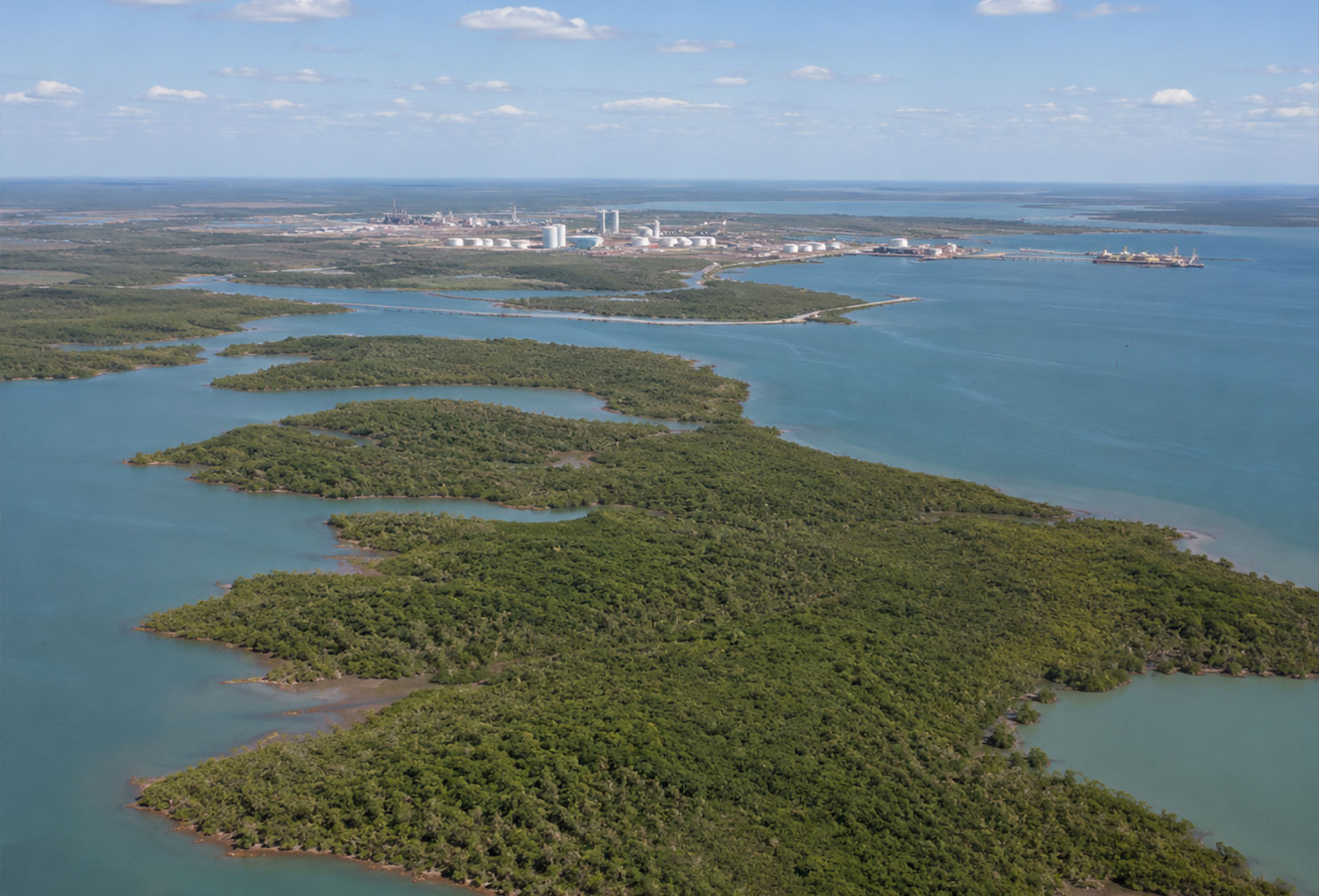
That framing is changing. The Middle Arm Sustainable Development Precinct, a 1,500-hectare industrial development proposed for the Middle Arm Peninsula 13 kilometres from Darwin’s CBD, represents the most significant attempt to expand Darwin’s industrial footprint since the original LNG projects were built. Combined with Barossa’s ramp-up, the Darwin LNG life extension, the Beetaloo Basin development pipeline and Santos’ ongoing appraisal activity, the NT is entering a period of sustained energy sector growth that will have material consequences for workforce demand across the region.
What the Middle Arm Precinct Actually Is
The Middle Arm Precinct is a master-planned industrial development designed to attract industries focused on low-emission LNG, hydrogen production and export, critical minerals processing, carbon capture and storage, and advanced manufacturing. The Australian Government has committed $1.5 billion in planned equity to marine infrastructure, including a modular offloading facility, a common user wharf and widened shipping channels, to accelerate the precinct’s development.
The site’s design is built around shared infrastructure. Rather than each tenant developing standalone utilities and logistics, the precinct centralises power, water, waste treatment and marine access. This approach is intended to reduce development costs for individual operators and make the site more attractive to the international industrial investment the NT Government is actively pursuing.
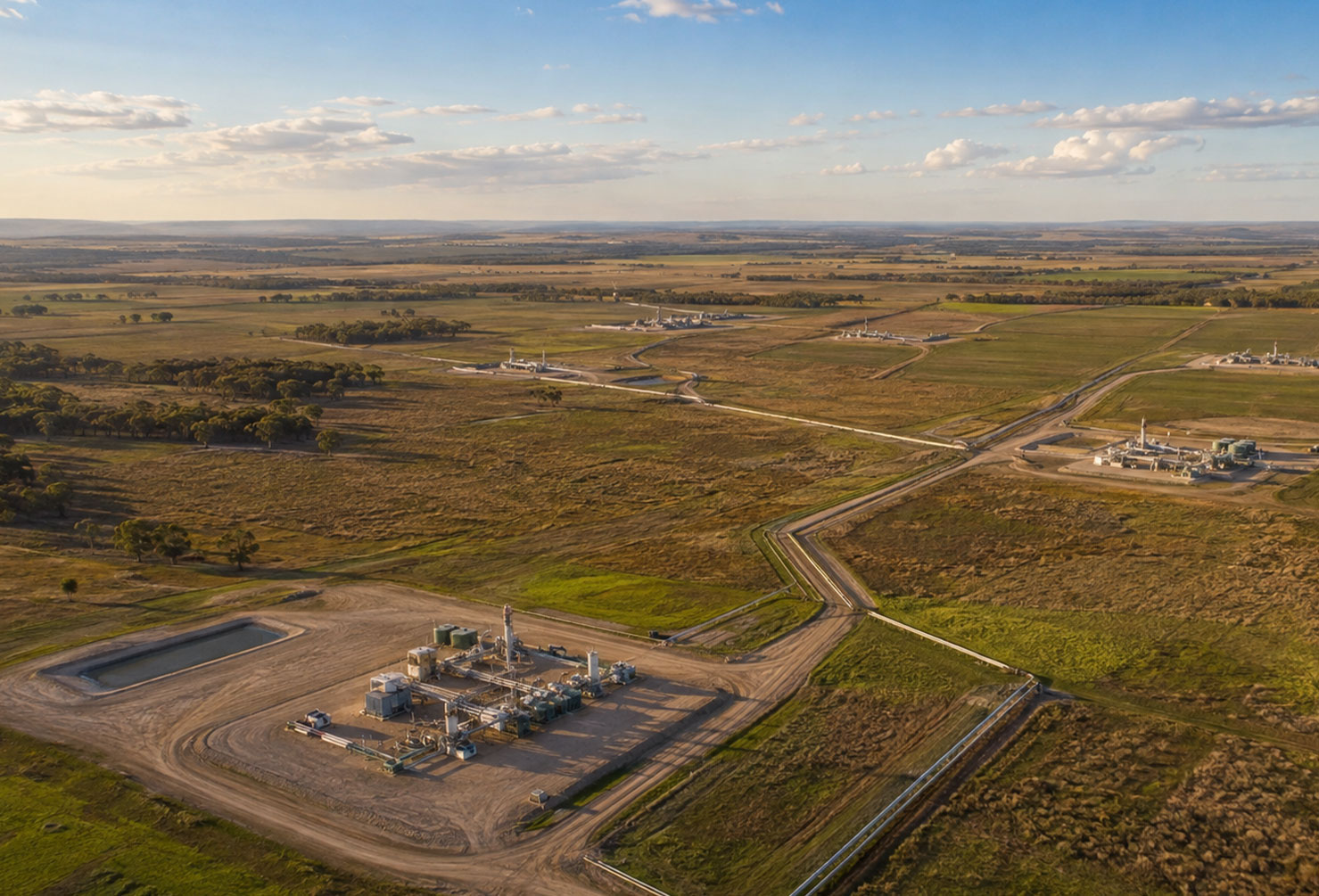
Santos, INPEX and Tamboran Resources have all signalled interest in or involvement with the precinct in various forms. Santos has been explicit about its plans for a CCS hub at Bayu-Undan in Timor-Leste linked back to Darwin LNG, and the Middle Arm Precinct’s infrastructure would support the kind of gas processing expansion that a Beetaloo-to-Darwin supply chain would require.
Where the Precinct Sits in the Development Timeline
The honest answer is that the Middle Arm Precinct is still in early stages. Strategic environmental assessments are underway under both the federal EPBC Act and the NT Environment Protection Act. Master planning and concept design work is progressing. The regulatory pathway is real but long.
This matters for workforce planning in both directions. Workers and operators who are expecting Middle Arm to generate significant direct employment in the near term are likely to be disappointed. The precinct’s construction phase, which is when the bulk of trades and technical employment would be generated, is years away. Early-stage activity is concentrated in engineering design, environmental assessment, geotechnical investigation and regulatory engagement, roles that draw on a small population of specialist consultants rather than broad field workforce demand.
What the Middle Arm Precinct does represent is a credible long-term anchor for Darwin’s industrial workforce. The construction phase, when it comes, is projected to sustain thousands of trades, manufacturing and service sector jobs. The operational phase would create permanent positions across LNG processing, hydrogen production, minerals refining and associated maintenance and technical support functions.
The Workforce Implications That Are Real Right Now
While Middle Arm itself is still in planning, the broader Darwin energy market is already generating tangible workforce demand that is often underappreciated by workers and operators focused primarily on WA.
Barossa is the most immediate driver. The $6.8 billion project has loaded its first LNG cargo and is ramping toward full production capacity, creating sustained demand for offshore operations and maintenance professionals in the Timor Sea. FIFO roles into Darwin and rotational offshore positions are active in the current market.
Darwin LNG’s life extension is a second active employment driver. Santos’ investment in extending the facility’s operating life by 20 years represents a significant brownfield program with ongoing maintenance, upgrade and integrity management requirements. That work needs experienced process operators, mechanical and instrument technicians, and asset integrity specialists on an ongoing basis.
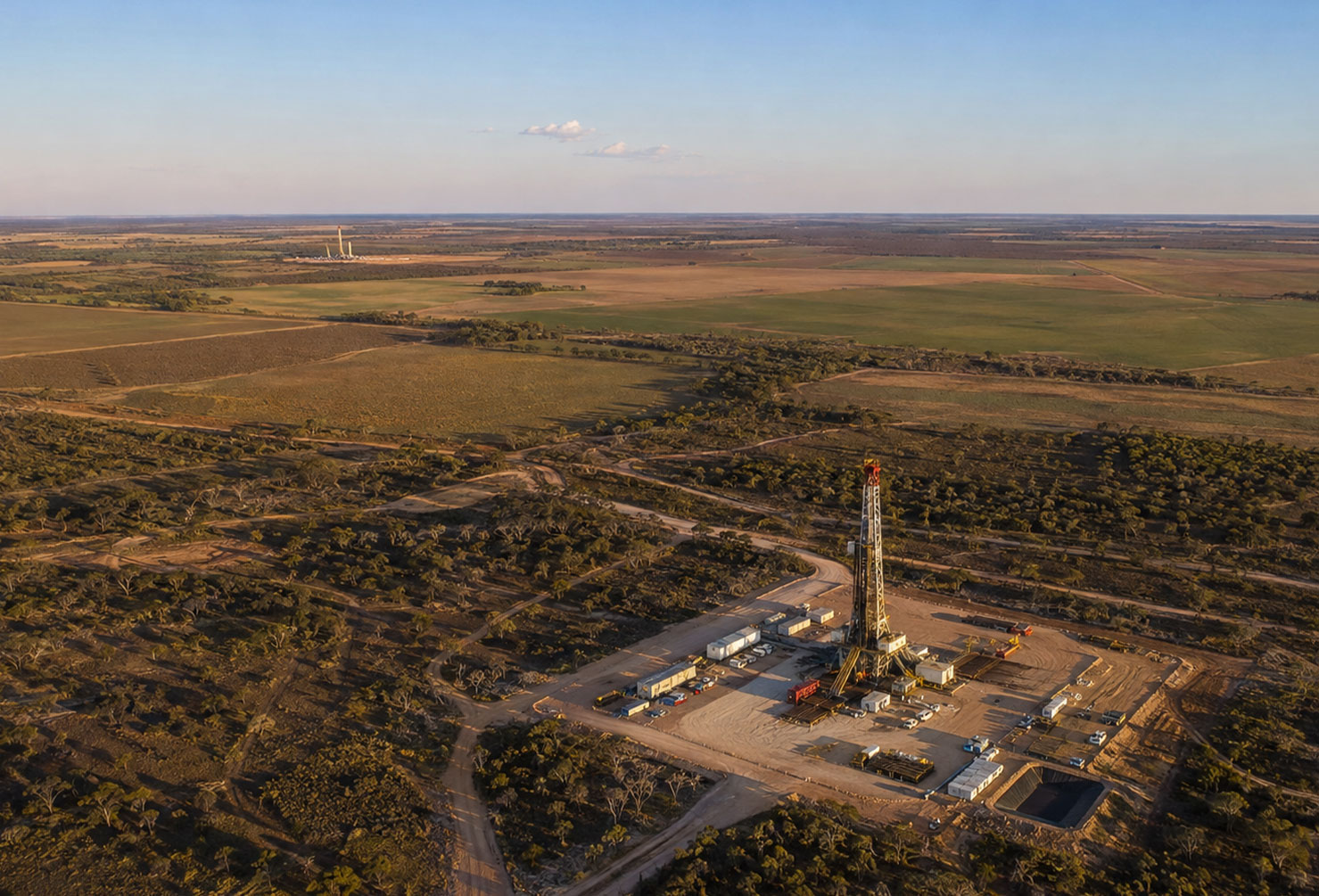
The Beetaloo Basin appraisal program is creating early-stage upstream demand. Santos and Tamboran are both actively pursuing drilling programs in the Beetaloo sub-basin. Exploration and appraisal drilling requires drilling engineers, rig crews, geoscience support, HSEQ professionals and logistics coordinators. This activity is onshore and NT-based, distinct from the offshore profiles that dominate WA’s workforce conversation.
Pre-FID project development work on Middle Arm-related proposals requires its own specialist profiles. Environmental scientists, geotechnical engineers, project development managers, permitting specialists and Indigenous engagement coordinators are all active in Darwin’s professional services market as the precinct’s planning work progresses.
What Sets the NT Market Apart
For workers considering Darwin and the broader NT as a career destination, a few characteristics of the market are worth understanding.
The competition for experienced people in the NT is materially lower than in WA. The Darwin labour market does not have the same concentration of competing projects and employers as the Pilbara and Burrup regions. Workers with relevant experience who position themselves in this market often find the process of securing roles more straightforward than in WA, and some employers are willing to offer incentives to attract workers to the Territory that they would not need to offer in a more competitive market.
The range of work types in the NT is broader than it might appear. Onshore gas, offshore operations, critical minerals, hydrogen development, infrastructure and advanced manufacturing are all part of the Darwin precinct’s medium-term future. Workers who are looking for variety across their career or who want to develop exposure to emerging energy sectors will find Darwin a more interesting market over the next decade than it has been historically.
Indigenous employment is a genuine part of the workforce picture in the NT in a way that differs from most other Australian energy markets. Santos has engaged over 50 Aboriginal trainees, employees and apprentices since 2023. The Middle Arm Precinct’s design explicitly includes Indigenous Territorian employment as a priority. Workers and employers who understand and engage with this dimension of the NT labour market are better positioned than those who approach it as a secondary consideration.
The Longer View
The Middle Arm Precinct will not transform Darwin’s workforce overnight. The planning, approvals, investment decisions and construction timelines involved mean that the precinct’s full employment impact is a ten to twenty year story rather than a two to three year one.
But the trajectory is clear. Darwin is no longer simply an LNG export point for a small number of established projects. It is positioning itself as a multi-industry industrial hub whose ambition, if the investment and regulatory conditions align, is genuinely significant. For workers with relevant technical backgrounds who are willing to look beyond WA’s established project pipeline, and for operators planning workforce strategies for NT-based activity, understanding that trajectory now is more useful than discovering it when the competition for people intensifies.