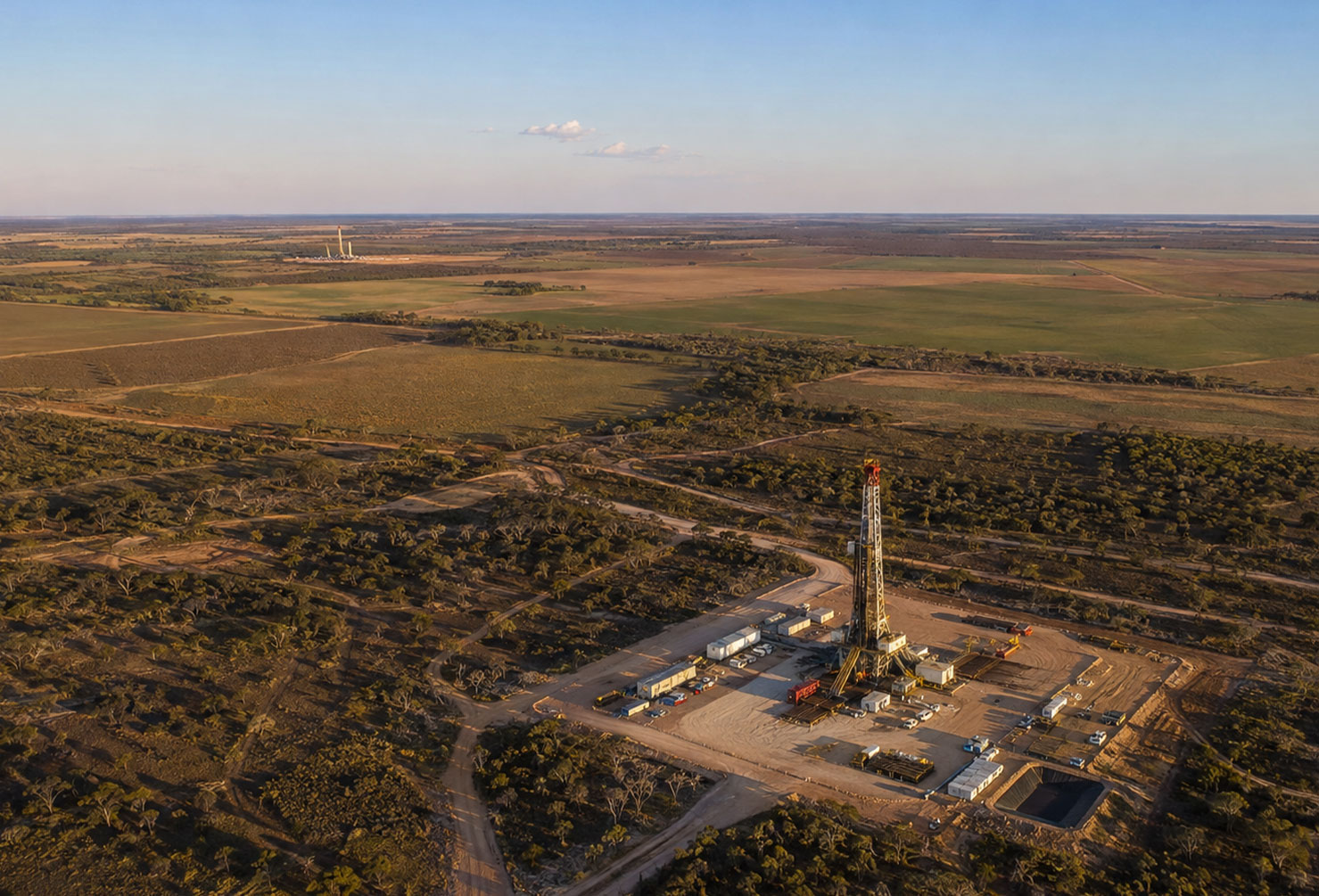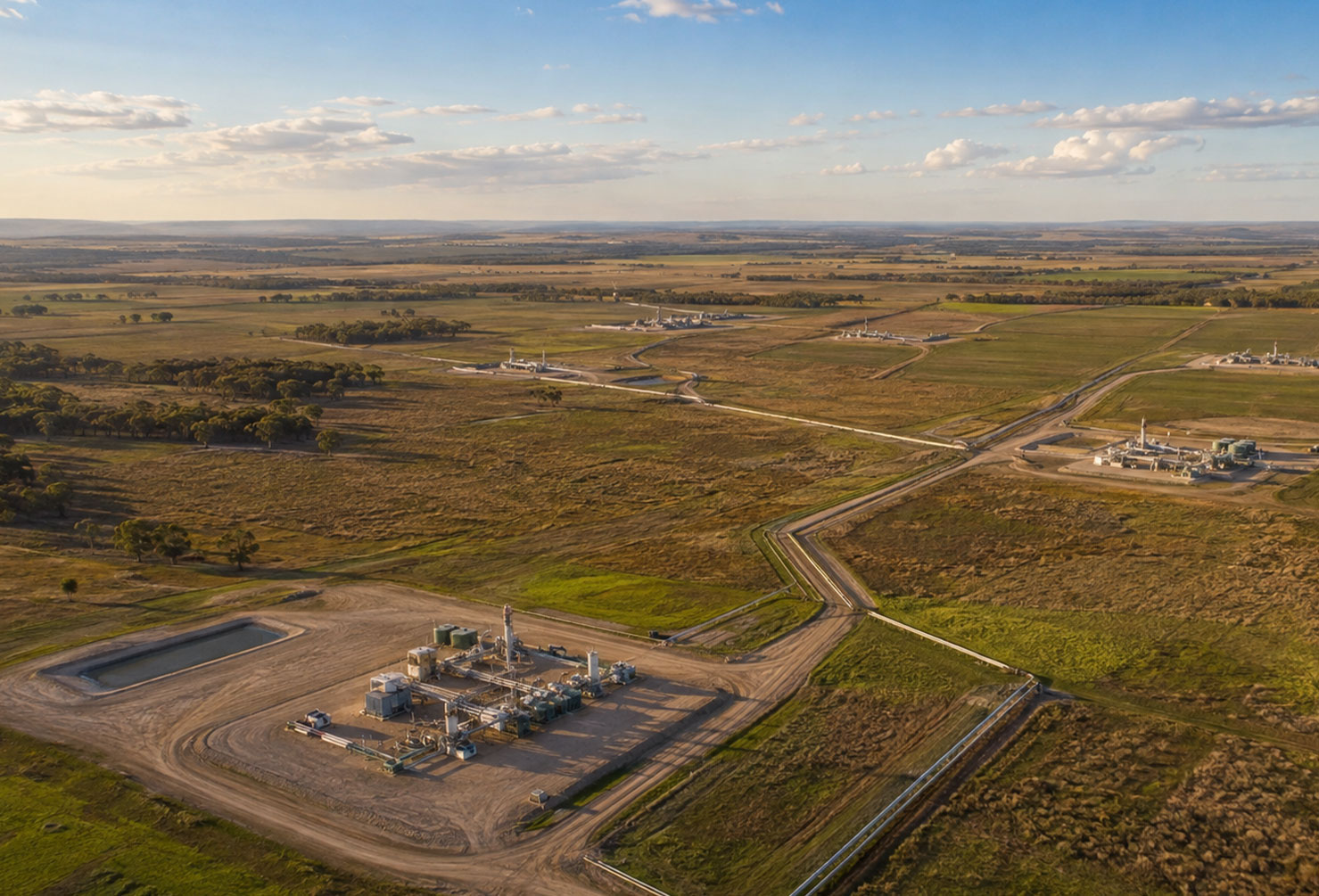

After years of construction, billions of dollars in investment and one of the most complex offshore engineering programs Australia has ever seen, the Scarborough Energy Project is in its final stretch. Woodside has confirmed the project is more than 96% complete, with first LNG cargo now targeted for Q4 2026.
That is a significant milestone. But for the people who work in WA’s oil and gas sector, the more pressing question is what comes after the ribbon is cut.
The workforce dynamics of a project in production look very different from a project under construction. Understanding that shift, and getting ahead of it, matters whether you are a field technician looking for your next contract or an operator planning your resourcing pipeline for the next five years.
The Build Phase Is Ending. That Changes Everything.
Scarborough has been one of the most significant drivers of workforce demand in WA for the past three years. At its peak, construction drew on thousands of workers across mechanical, electrical, instrumentation, civil and marine disciplines. Karratha’s accommodation capacity was stretched. Labour hire firms competed hard. Wages for skilled trades climbed.
That construction-phase intensity is now winding down. The trades and labour-heavy roles that dominated the hiring market through 2024 and 2025 are transitioning out. What replaces them is a leaner, more specialised workforce with a different skills profile.
The shift from construction to commissioning and then to operations is not a gentle handover. It is a distinct and demanding phase that requires people who understand how to bring complex systems online safely, verify performance against design specifications and hand plant over to operating teams. That is a skill set that sits in a relatively small pool of experienced practitioners.
What Commissioning and Operations Actually Require
The commissioning phase at a project like Scarborough involves a high concentration of specialist roles that are different from both the trades-heavy construction phase and the routine maintenance roles of steady-state operations. Some of the most in-demand profiles right now include:
- Commissioning engineers and supervisors with LNG or gas processing experience
- Instrument and control systems technicians familiar with advanced SCADA and DCS platforms
- Process safety engineers who can verify systems against design intent before handover
- Operations readiness specialists who bridge the gap between construction and the operating team
- Rotating equipment technicians for compressors, pumps and turbines
Once Scarborough moves into steady-state operations, the demand profile shifts again. The focus becomes asset integrity, planned maintenance, shutdown and turnaround management, and the ongoing optimisation of production performance. These are long-duration, high-reliability roles, and the operators running the facility will be looking for people who can commit to a project for the long term.
The Broader WA Market Is Absorbing Change Simultaneously
Scarborough does not sit in isolation. The North West Shelf extension to 2070, the Woodside and Chevron asset swap that reshapes NWS ownership, and the ongoing ramp-up of downstream processing capacity at Pluto all mean that WA’s overall operational workforce demand is growing even as the Scarborough construction wave recedes.
At the same time, competition for experienced people is intensifying. Browse LNG is attracting increasing attention as Scarborough nears completion, with Woodside flagging it as the next major development in its pipeline. Early-stage development work on Browse will draw on many of the same specialist roles that Scarborough is now releasing from its construction workforce.
For workers who have been on Scarborough through construction, the timing is well-suited to a transition. The skills developed in construction, commissioning and early operations are directly transferable to the next wave of major developments.
What Operators Need to Do Now
The risk for operators at this stage is assuming that workforce planning for the operations phase can wait until commissioning is complete. It cannot.
Finding experienced commissioning engineers and operations specialists on short notice is genuinely difficult. The pool of people with LNG-specific commissioning experience is not large, and they are being sought by multiple projects simultaneously. Early engagement with a specialist workforce partner, rather than attempting to build a roster from scratch during a crunch period, is consistently the difference between a smooth handover and a costly delay.
Pre-screening matters here as much as speed. An operations technician with the right certificates but limited experience in large-scale gas processing facilities creates risk. The value of working with a partner who has already done the verification, confirmed the experience and assessed the fit is significant at this phase of a project.
What Workers Should Be Thinking About
If you are currently on Scarborough in a construction role, now is the time to be thinking about what comes next. Options broadly fall into three categories.
Staying with Scarborough into the operations phase is viable for workers with the right technical background and an interest in long-term, steady-state work. If you have relevant process or instrumentation experience, making your interest known early gives you the best chance of securing an operations role before external recruitment begins.
Moving to another major construction project is the natural next step for trades workers who prefer the construction environment. Browse is the most obvious candidate, along with ongoing brownfield work at NWS and the pipeline of shutdowns and turnarounds across WA’s operational facilities.
Transitioning into commissioning is a genuine career development opportunity for experienced trades workers who want to move into higher-value, more specialised roles. It typically requires specific training and mentoring, but the demand for commissioning-experienced people in WA over the next three to five years is significant.
The Takeaway
Scarborough’s first cargo is a major event for Australian energy. For the workforce, it marks not an ending but a transition. The question for operators, contractors and individual workers alike is whether they are positioned for what comes next, or reacting to it after the fact.
If you are planning your next move, or your next workforce build, the window to act is now rather than after commissioning is complete.