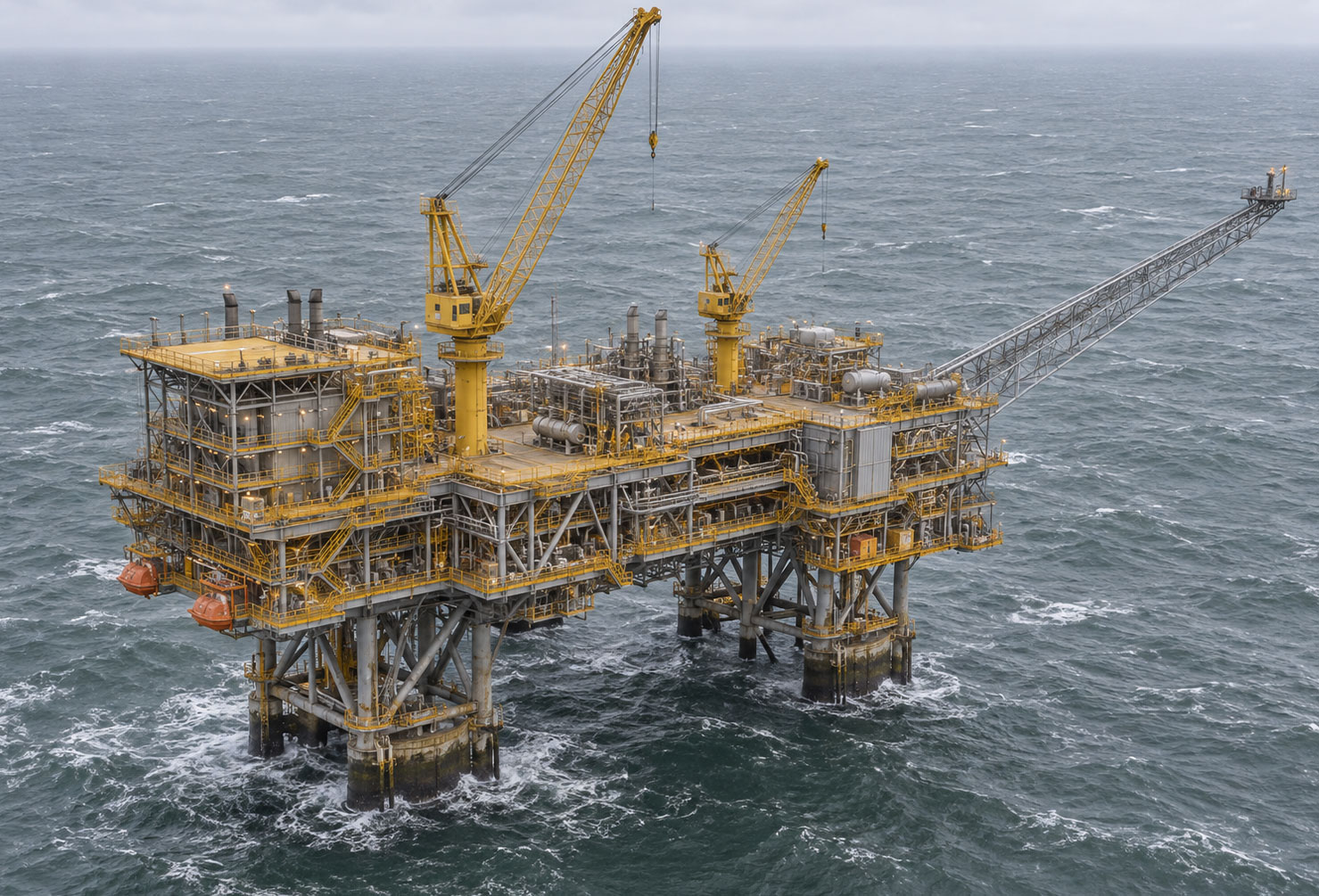
Chevron Australia has lodged an environment plan with NOPSEMA covering the installation of a production flowline, mono ethylene glycol pipeline, umbilical and associated subsea infrastructure at the Geryon and Eurytion gas fields, tied back to existing infrastructure within the Jansz-Io field. The plan also covers a Jansz infield umbilical providing power and communications to the Jansz-Io fields.
It is a technical filing rather than a headline announcement, and it will not attract the coverage that a first LNG cargo or a new basin discovery would. But it is the next concrete step in a development program that runs to approximately 2070, sustains one of Australia’s largest LNG facilities, and requires a specific category of subsea engineering expertise that exists in genuinely small numbers worldwide.
For operators and workers in Australian offshore, the Gorgon backfill program is worth understanding properly because it represents the shape of Australian upstream work for the next decade and beyond.
What the Backfill Fields Development Actually Is
The Gorgon Gas Development achieved first LNG production in March 2016, drawing gas from the Gorgon and Jansz-Io fields through subsea infrastructure to the gas treatment plant on Barrow Island. Domestic gas supply to the WA market commenced in December of the same year. The facility has the capacity to produce 15.6 million tonnes of LNG per year and up to 300 terajoules per day of domestic gas for the Western Australian market.
Reservoir pressure in any producing field declines over time. The original Gorgon environmental approvals anticipated this and envisaged the development of additional backfill fields within the Greater Gorgon Area as supply from the foundation fields depleted. That next phase is the Backfill Fields Development, comprising seven fields: Chandon, Chrysaor, Dionysus, Eurytion, Geryon, Semele and West Tryal Rocks.
The seven fields sit approximately 200 kilometres north of Onslow and around 100 kilometres north-northeast of Barrow Island, in water depths ranging from about 150 metres to 1,400 metres. Most are deeper than 800 metres. NOPSEMA accepted the Backfill Fields Offshore Project Proposal in October 2025. Development will be staggered rather than executed in a single campaign, with each new field brought online into the Gorgon and Jansz trunklines as existing production declines. End of field life for the overall development is estimated at around 2070.
That last figure is the one worth sitting with. A development horizon extending more than four decades into the future is not a project. It is an industry in itself, and the workforce implications run accordingly.
Gorgon Stage 3: Geryon and Eurytion
The first backfill fields to be developed are Geryon and Eurytion, co-developed using shared infrastructure and referred to as Gorgon Stage 3. Chevron Australia and its Gorgon joint venture partners took a final investment decision on GS3 on 5 December 2025, committing approximately A$3 billion, or close to US$2 billion.
The development scope involves drilling six wells across the two fields, installing three subsea manifolds and laying a 35 kilometre production flowline, along with the associated infrastructure covered by the environment plan now before NOPSEMA. The fields lie roughly 100 kilometres northwest of Barrow Island in water depths of approximately 1,300 metres.
The joint venture structure reflects the scale of the asset. Chevron Australia holds 47.33% and operates. ExxonMobil and Shell each hold 25%. Osaka Gas holds 1.25%, MidOcean 1% and JERA 0.417%. The presence of Japanese buyers with equity positions is a pattern visible across Australian LNG at the moment, as Asian utilities secure long-term supply through ownership rather than offtake alone.
The indicative schedule set out in the offshore project proposal anticipated Geryon and Eurytion drilling commencing from the third quarter of 2026 across roughly 24 months, installation and commissioning from the third quarter of 2027 over approximately 12 months, and operations from 2028 running for 20 to 25 years. The environment plan now lodged relates to that installation phase.
Contractors are already engaged. Subsea 7 holds responsibility for installation and commissioning of subsea infrastructure, and TechnipFMC secured the subsea production systems contract following FID.
A Distinction Worth Getting Right
Coverage of the Gorgon program sometimes runs two related projects together, and the difference matters for anyone assessing where the work sits.
Gorgon Stage 3 is the Geryon and Eurytion tie-back: six wells, three manifolds, a 35 kilometre production flowline and associated subsea infrastructure feeding into the existing gathering network.
The Jansz-Io Compression Project is a separate undertaking addressing declining reservoir pressure at Jansz-Io itself. It involves a subsea compression station at roughly 1,360 metres below sea level, a normally unattended floating field control station moored to the seabed, a subsea cable supplying power from Barrow Island, and power cables running from the field control station to the compression station. NOPSEMA accepted the installation environment plan for that project in May 2024, with installation work continuing across separate campaigns and operational activities anticipated from 2027 or 2028.
The two projects are connected. GS3 ties back into infrastructure that Jansz-Io Compression is upgrading, and Chevron has described GS3 as complementing the compression project and the earlier Gorgon Stage 2 infill development. But they are distinct scopes with distinct approvals, and the specialist skills each requires are not identical.
The Workforce Subsea Development at This Depth Requires
Deepwater subsea tie-back work is among the most technically demanding activity in the offshore sector, and the pool of people who have done it at 1,300 metres is not large.
The current installation phase draws on:
- Subsea engineers with deepwater flowline, umbilical and manifold experience, specifically those who have worked tie-backs into live production infrastructure rather than greenfield installations.
- Flow assurance specialists. The MEG pipeline in the environment plan exists to manage hydrate formation across a 35 kilometre flowline at depth and low temperature. Flow assurance modelling for a system of this length and depth is specialist work and errors are expensive.
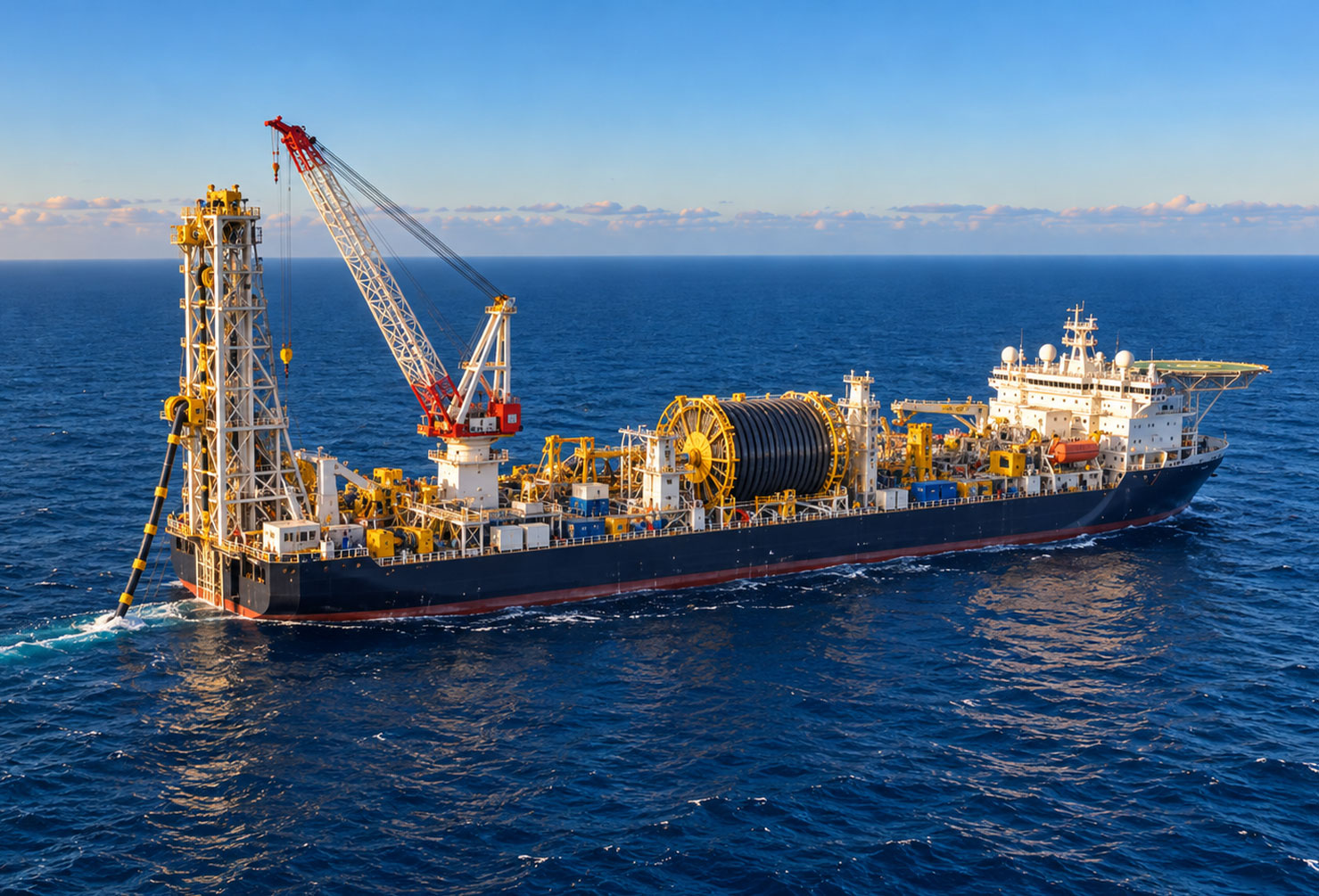
- Installation vessel crews and marine operations personnel for pipelay, umbilical installation and subsea structure placement, operating in an environmental approvals framework with tight compliance requirements.
- ROV pilots and subsea intervention technicians for the installation, connection and commissioning work that cannot be performed any other way at these depths.
- Subsea controls and instrumentation engineers for the umbilical terminations, control system integration and communications infrastructure linking new wells into the existing network.
- Environmental and regulatory specialists. Every phase of this program requires NOPSEMA-accepted environment plans, and the Barrow Island context carries additional conservation obligations that are unusually strict by offshore standards.
The drilling phase, running across roughly 24 months from late 2026, requires deepwater drilling crews, well engineers with Carnarvon Basin experience and the completions specialists who will bring six new wells into a producing system without disrupting existing flow.
Once operations begin from 2028, the demand shifts again toward production operations, subsea integrity management and the long-duration maintenance workforce that sustains an asset for 20 to 25 years. And then the sequence repeats for Chandon, Chrysaor, Dionysus, Semele and West Tryal Rocks as each is brought online.
Why Brownfield Backfill Is the Defining Pattern
Chevron Australia president Balaji Krishnamurthy described GS3 at FID as maintaining production at Gorgon, enabling long-term supply of domestic gas for WA households and industry and LNG for international customers in Asia, and as “maintaining thousands of highly skilled jobs in Australia, supporting regional WA communities and contributing to government revenue.”
He also described it as cost-competitive and optimising existing infrastructure. That framing is the commercial logic of the entire program. Gorgon’s treatment plant, trunklines and gathering network are already built and paid for. Adding new fields into that system costs a fraction of what equivalent production would cost as a standalone development, which is why a A$3 billion investment can sustain an asset producing 15.6 MTPA.
This is the pattern now visible across Australian upstream. Equus is planning a tie-back to Pluto or Varanus Island infrastructure. ConocoPhillips is assessing its Otway Basin discoveries, which sit close to existing production infrastructure. Arrow’s Surat Gas Project phases extend an existing gathering network. The Cooper Basin Yarrow wells connect into Santos infrastructure that has operated for decades. Even Browse is designed around existing North West Shelf facilities.
For the workforce, this has a specific consequence. The skills in demand are not those of greenfield construction, where large trades workforces mobilise for a defined period and demobilise. They are the skills of working on and around live production systems: tie-back engineering, brownfield modification, subsea intervention, flow assurance, and the operational disciplines that keep ageing infrastructure running safely while new capacity is added to it.
What This Means for Workers and Operators
For workers with deepwater subsea experience, the Gorgon backfill program represents something rare in the Australian market: a defined sequence of work extending across decades rather than a single project with an end date. Five more fields follow Geryon and Eurytion, each requiring the same disciplines in sequence.
For operators and contractors, the constraint is the specialist pool. Deepwater subsea installation, flow assurance and subsea controls expertise is globally mobile and in demand wherever tie-back development is underway. Australian programs compete for those people against the US Gulf of Mexico, Brazil, West Africa and the North Sea simultaneously. The organisations that secure this capability are the ones engaging early, before installation campaigns commence, rather than sourcing reactively once a vessel is on contract.
The Gorgon backfill program will not generate the headlines that a first cargo does. It will generate work, consistently, for a long time. In a market where much of the attention goes to new basins and new discoveries, the quiet extension of Australia’s largest producing assets is where a substantial share of the offshore workforce will actually be employed.