Two east coast gas developments confirmed in the past week. In the Gippsland Basin, the Woodside-led joint venture has completed the Turrum Phase 3 drilling campaign, adding five new production wells at the Marlin B Complex approximately 42 kilometres offshore Victoria. In the Otway Basin, Amplitude Energy has spudded Juliet-1, a new exploration well targeting 48.8 billion cubic feet of gross mean prospective resource as part of the company’s expanding East Coast Supply Project.
Neither announcement attracted the headlines of Tamboran’s Beetaloo Basin first gas this week. But taken together, and in the context of the east coast gas supply picture that AEMO has been tracking for years, they add meaningful pieces to a puzzle that Australia’s energy system badly needs solved. The east coast gas market in September 2026 is more active than it has been in a decade, and the workforce implications of that activity are real and specific.
Turrum Phase 3: Gippsland Basin Adds Its Most Significant New Production in Years
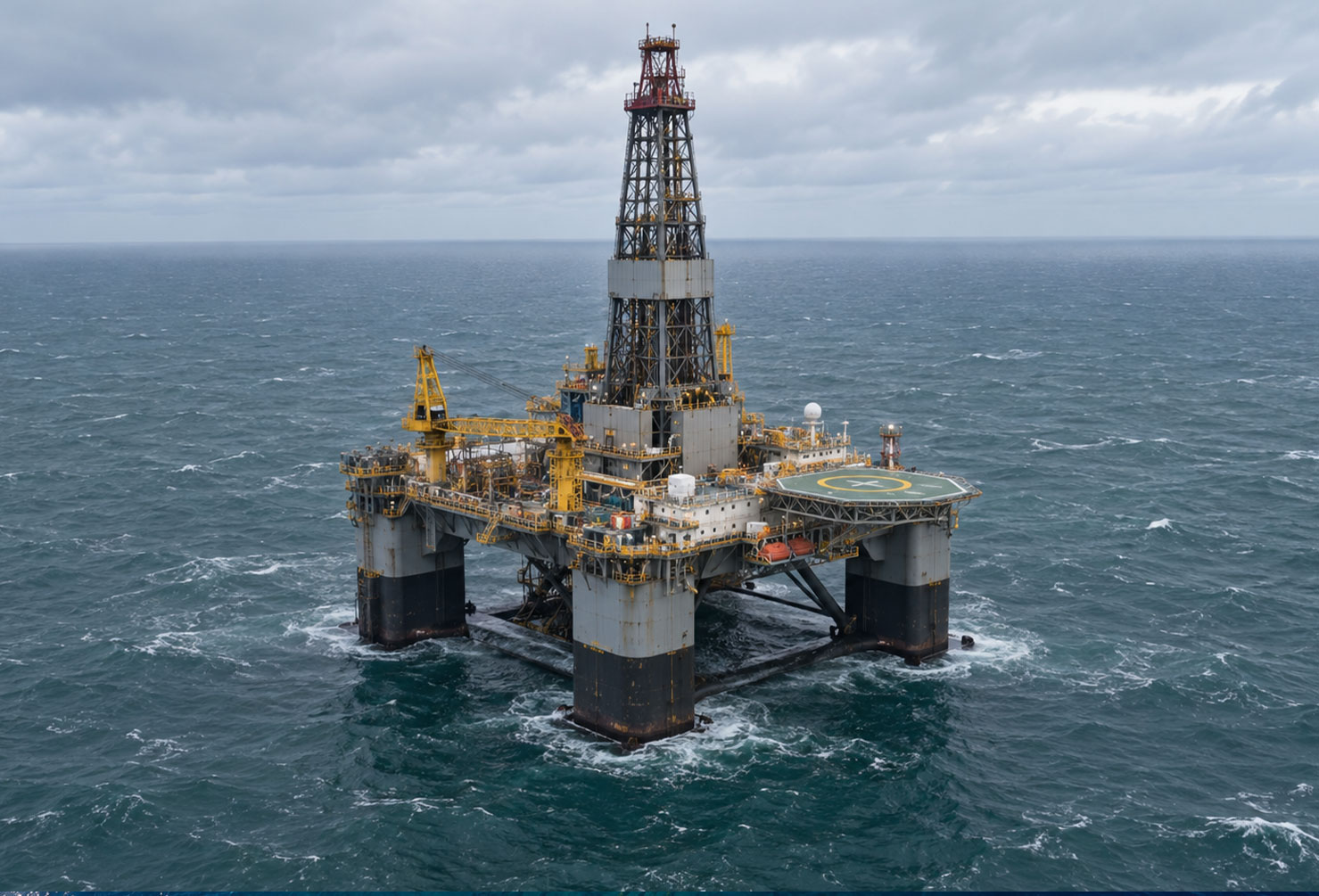
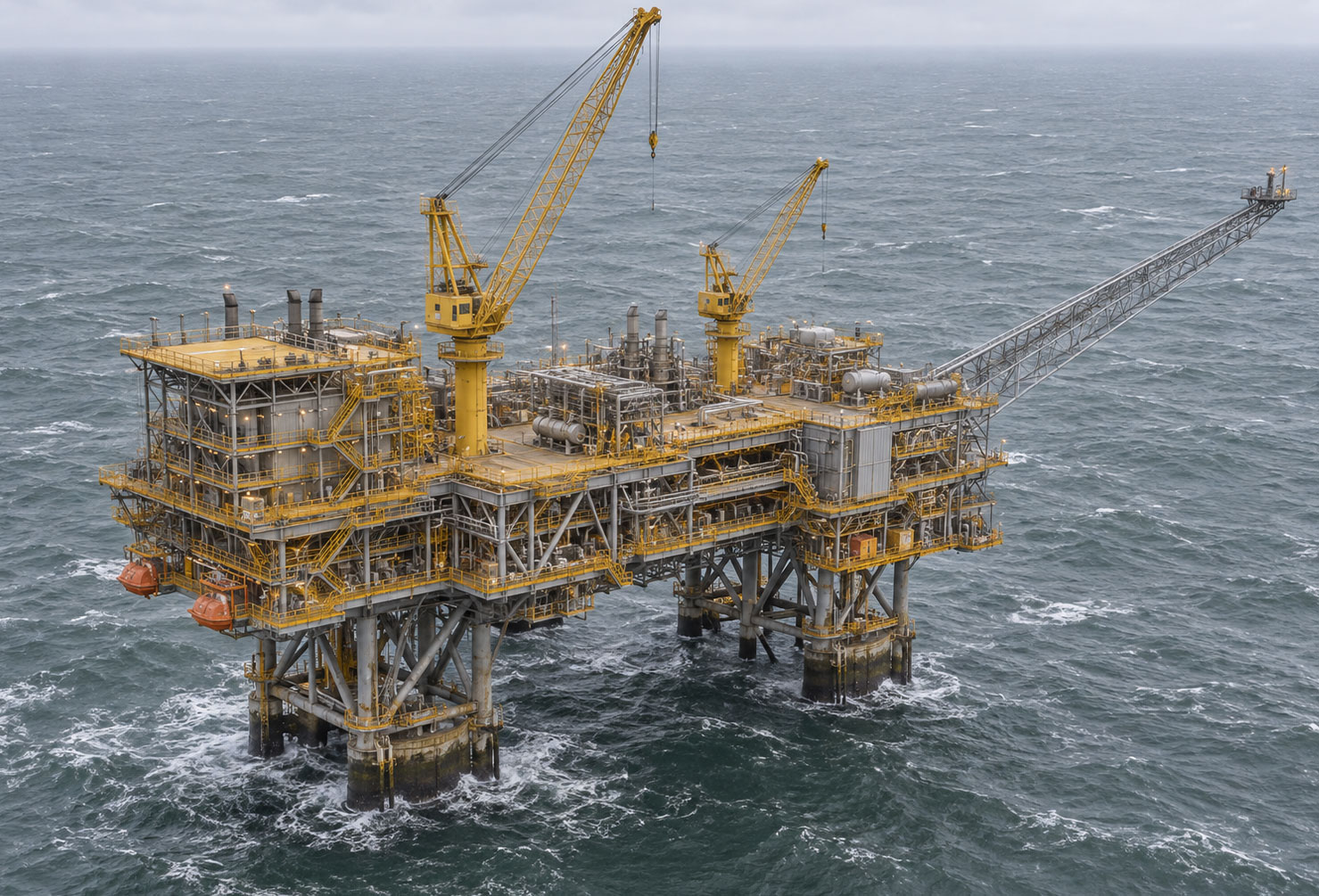
The Woodside-Esso Gippsland Basin Joint Venture has completed the Turrum Phase 3 drilling campaign at the Marlin B Complex, drilling five new production wells in the Turrum and North Turrum fields approximately 42 kilometres off the Victorian coastline. ExxonMobil Vice President Eastern Australia Simon Younger confirmed the safe demobilisation of the Valaris 107 jack-up rig following the campaign’s completion.
The investment of approximately $350 million represents a significant commitment to sustaining production from one of Australia’s most important conventional gas provinces. Turrum Phase 3 is expected to deliver more gas than any single Gippsland Basin JV development since West Barracouta, and the additional production is expected to begin contributing to the domestic market before winter 2027. The basin, now operated by Woodside following the operatorship transfer from ExxonMobil on 1 July 2026, exclusively supplies gas to the domestic east coast market.
The Turrum and North Turrum fields are part of the broader Gippsland Basin gas system that supplies approximately 40% of Australian east coast domestic gas demand. Adding five new production wells to this infrastructure at a $350 million investment is not speculative. It is the sustained brownfield reinvestment that keeps a mature producing province delivering into a market that cannot afford to lose its supply.
What Turrum Phase 3 Required From the Workforce
A five-well jack-up drilling campaign in Bass Strait is a technically demanding program that draws on a specific and specialised workforce.
The Valaris 107 is a modern jack-up rig capable of operating in Bass Strait’s variable sea conditions. The rig crew required for a multi-well campaign of this nature spans all standard jack-up disciplines: company man, toolpusher, drillers, assistant drillers, derrickmen, floorhands and mud engineers. Each well requires a full crew turnover on rotating rosters across the campaign duration.
Offshore completion and well intervention work in the Gippsland Basin requires familiarity with the specific reservoir characteristics of the Turrum field, a complex stratigraphic system with multiple producing horizons across Latrobe Group sands. Wellsite geologists and petrophysicists providing real-time formation evaluation during drilling are a critical part of ensuring that each new well reaches its target horizon and is completed optimally.
The subsea and marine operations required to support a jack-up campaign in Gippsland waters, including supply vessel logistics, ROV operations for wellhead inspections, and the offshore installation work associated with connecting new wells into the existing Marlin B infrastructure, add further specialist workforce layers to the campaign.
With the Valaris 107 now demobilised, Turrum Phase 3 transitions from construction to operations. The five new wells will be brought progressively into production by the Woodside operational team that took over the basin in July, integrating new well production into the existing Marlin facility operations and the Longford Gas Plant onshore processing system.
Amplitude Energy Spuds Juliet-1 in the Otway Basin
While Turrum Phase 3 was completing its final wells, Amplitude Energy was starting its next one. Juliet-1 spudded on 22 August 2026 in permit VIC/L24 in Commonwealth waters in the offshore Otway Basin, targeting a Waarre C reservoir with 48.8 billion cubic feet of gross mean prospective resource.
Juliet-1 is part of Amplitude’s East Coast Supply Project, the company’s newest development framework covering several gas prospects and discoveries in the Otway Basin. The ECSP centres on Annie, Elanora, Isabella, Juliet, Henry, Heera, Pecten East and Nestor, all designed to tie back to the existing Casino-Henry-Netherby development and the Athena Gas Plant onshore near Port Campbell. If successful, Juliet-1 will be cased and completed with a subsea tree, suspended ready for development as part of the ECSP.
The ECSP represents a portfolio approach to Otway Basin development that is deliberately distinct from single-field standalone projects. By targeting multiple prospects and discoveries with a shared infrastructure tie-back, Amplitude is building the resource base required to justify sustained investment in the Otway Basin’s production infrastructure over a multi-year horizon. Annie holds a production licence with first gas targeted for 2028. Juliet-1 adds another potential resource to the portfolio that could extend the Otway Basin’s production profile well beyond Annie’s initial contribution.
Amplitude holds a 50-50 stake in the ECSP with JV partner O.G. Energy. The involvement of a JV partner in the exploration program reflects the capital-sharing approach that makes extended exploration campaigns in the offshore Otway Basin economically viable for a focused mid-cap operator.
What Juliet-1 Requires and What a Discovery Would Mean
An exploration well in Commonwealth waters in the offshore Otway Basin is a technically specific program. The Waarre C reservoir target is a well-understood play in the Otway Basin context, but each new exploration well in Commonwealth waters requires its own environment plan, heritage assessment and NOPSEMA approval process alongside the technical drilling and evaluation program.
The specialist workforce for an offshore Otway exploration well draws on the same profiles as other Victorian offshore programs: offshore drilling engineers familiar with Bass Strait and Otway Basin geology, wellsite geologists for real-time formation evaluation, mud logging professionals for shows detection, and the marine logistics and supply vessel crews that support offshore operations from the Port Campbell shore base.
If Juliet-1 makes a discovery, the evaluation program will include wireline logging to assess gas composition and reservoir quality. A successful result triggers the ECSP development process for Juliet, adding it to the Annie-anchored portfolio and contributing to Amplitude’s longer-term Otway Basin production planning. A discovery at Juliet at the gross mean prospective resource estimate of 48.8 Bcf would be a meaningful addition to the ECSP’s resource base.
The East Coast Gas Picture in September 2026
Turrum Phase 3 and Juliet-1 are two pieces of a much larger picture. The east coast gas supply challenge that AEMO has been documenting is not solved by any single project announcement. It is addressed incrementally, through the sustained accumulation of new production wells, new exploration discoveries, new development approvals and new infrastructure investments across multiple basins simultaneously.
In September 2026, that accumulation is happening faster than it has in years. The Beetaloo Basin has just delivered first gas. The Surat Basin has three active Arrow Energy development phases. Turrum Phase 3 has added five new Gippsland wells. Amplitude is drilling Juliet-1 while Annie progresses toward 2028 first gas. The Taroom Trough has multiple operators delivering positive appraisal results. Each of these developments contributes to the east coast supply picture for the 2027 to 2030 window that AEMO has identified as the period of greatest risk.
For operators sourcing gas for industrial and commercial purposes on the east coast, this activity is the supply response that underpins their procurement planning. For workers with Victorian offshore experience, Gippsland Basin familiarity or Otway Basin operational knowledge, the combination of Turrum Phase 3 completion and Juliet-1 spud in the same week signals sustained demand for their specific skills in the basin that has historically been the east coast’s most important conventional gas source.
What the Workforce Should Take From This Week
The combination of Turrum Phase 3 completion and Juliet-1 spud in the same week is not coincidence. It reflects the broader east coast gas development momentum that has been building throughout 2026 as operators respond to the supply gap forecasts, the reservation scheme’s incentives and the fuel security urgency that has defined Australia’s energy policy conversation for the past six months.
For workers with Victorian offshore and Gippsland Basin experience, the Turrum Phase 3 completion transitions into an operational requirement. Woodside’s newly assumed operatorship of the Gippsland Basin brings its own leadership and operational culture, and the integration of five new Turrum wells into the basin’s production system requires the kind of reservoir and facility operational knowledge that takes years to develop. Workers who have built that knowledge under the previous ExxonMobil operatorship are in a strong position as Woodside establishes its east coast operational capability.
For workers with Otway Basin exploration and offshore Victoria experience, the Juliet-1 program and the broader ECSP portfolio represent a sustained source of work for the next several years as Amplitude progresses its East Coast Supply Project from exploration through to development and production. The combination of Annie’s 2028 first gas target and the ECSP’s ongoing exploration adds layers of workforce demand that extend well beyond a single project timeline.
The east coast gas market is getting busier. The workforce that understands its geology, its infrastructure and its regulatory environment is increasingly valuable. Both of these announcements this week are evidence of that.