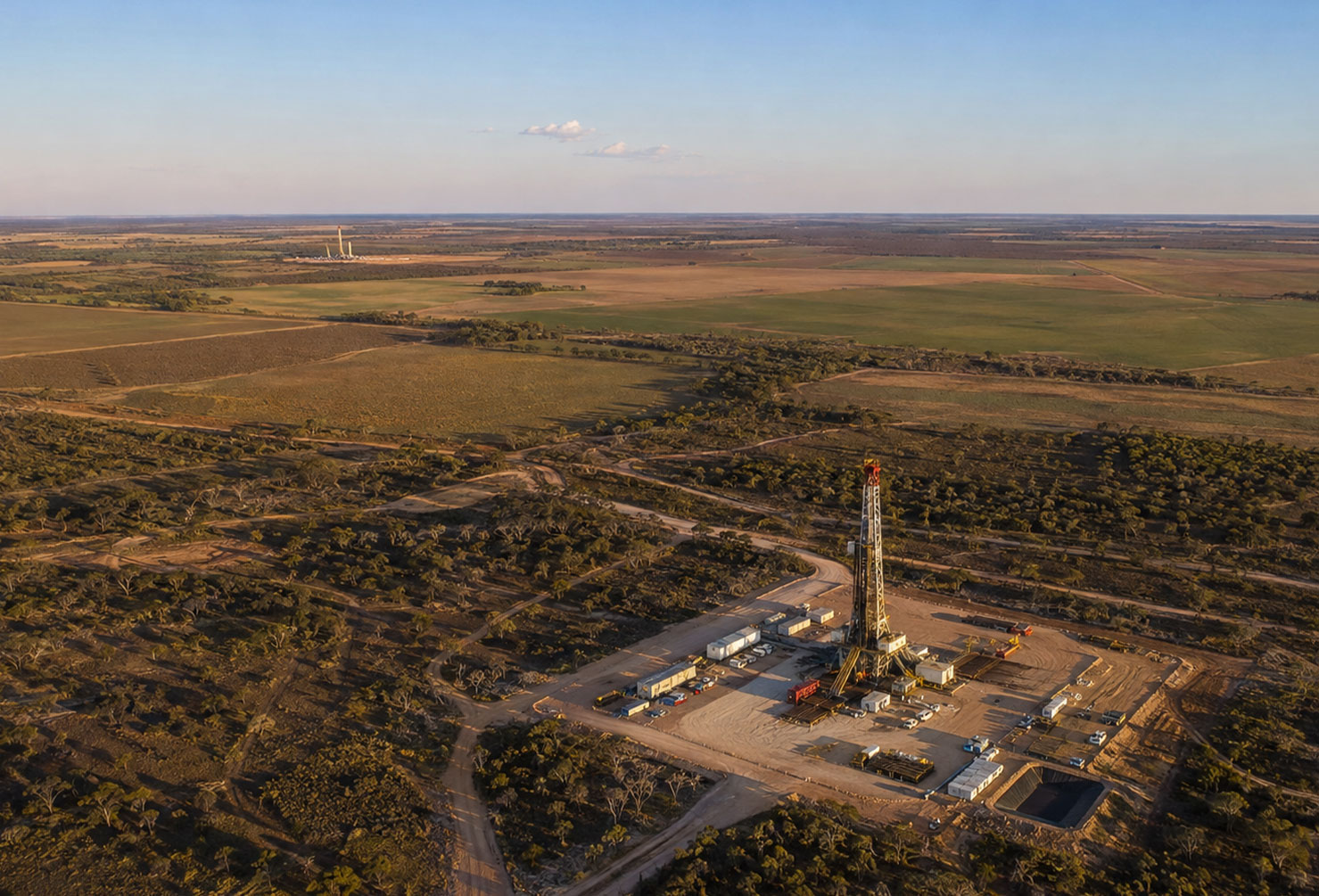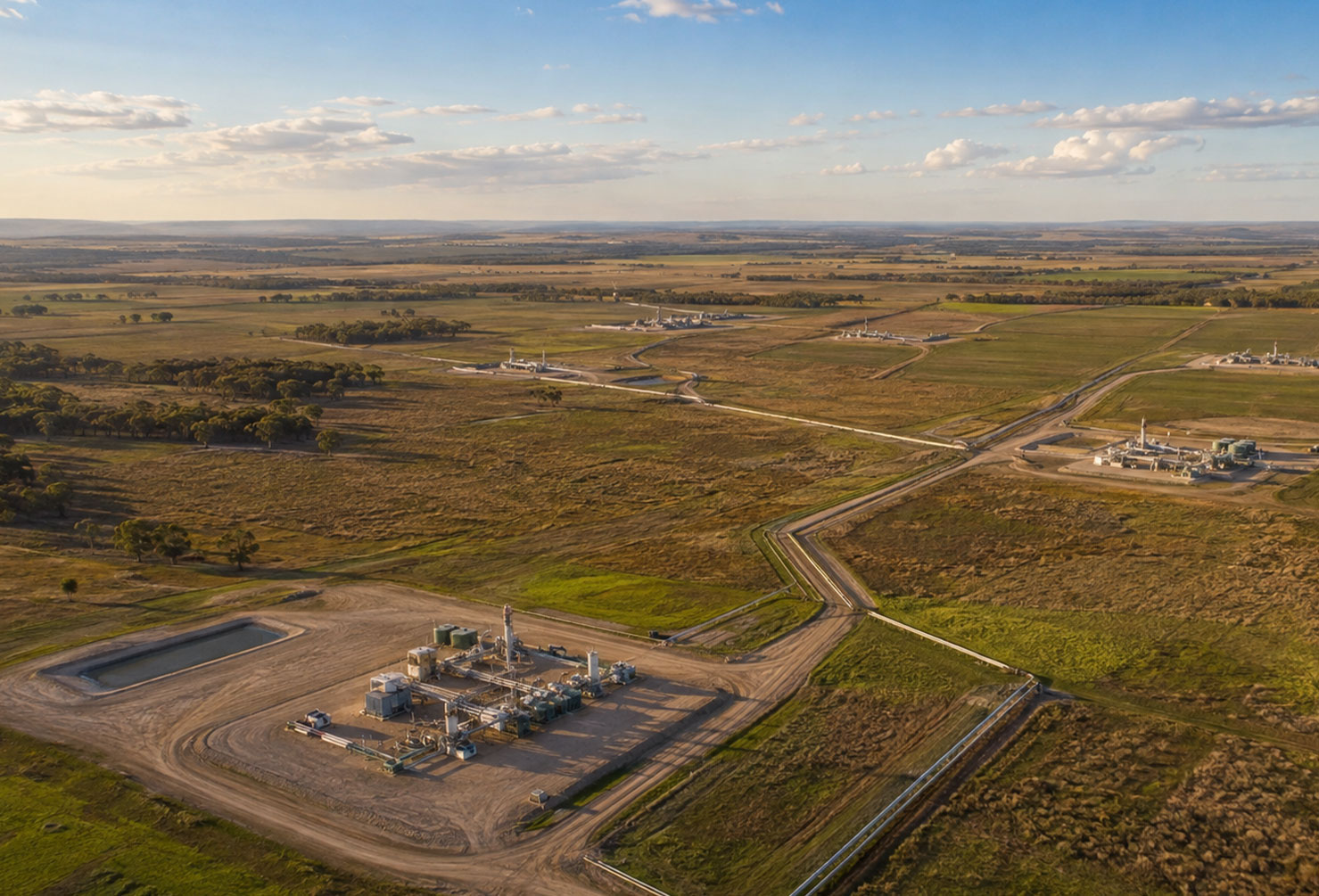

On 1 July 2026, Woodside Energy assumed operatorship of the Gippsland Basin assets from ExxonMobil, completing a transaction announced in July 2025. It marked the end of more than 50 years of ExxonMobil operatorship over one of Australia’s most historically significant oil and gas provinces, and the beginning of a new chapter for a basin that supplies approximately 40% of Australian east coast domestic gas demand.
The transition attracted less attention than a major new project announcement would. But operatorship changes on large, mature producing assets are among the most consequential workforce events in the energy sector, and the Gippsland transition is no exception. Understanding what changed on 1 July, what it means for the basin’s 1,200 employees and contractors, and what it signals for east coast gas production and workforce demand is worth the attention of anyone operating in this market.
What the Gippsland Basin Actually Is
The Gippsland Basin Joint Venture is Australia’s first major offshore oil and gas development. Since production began in 1969 it has delivered approximately 11 trillion cubic feet of gas and 4 billion barrels of oil. The basin’s producing assets include six operating offshore platforms in Bass Strait, the Longford Gas Plant onshore in Gippsland, the Long Island Point gas liquids processing facility near Hastings, and the associated pipeline and terminal infrastructure that connects offshore production to onshore processing and distribution.
The workforce that supports this infrastructure numbers approximately 1,200 employees and contractors. That figure spans offshore platform operations, onshore gas processing, maintenance and integrity management, logistics, engineering support and the corporate functions that manage one of Australia’s most complex and geographically dispersed operational portfolios.
The equity structure of the Gippsland Basin Joint Venture remains unchanged by the operatorship transfer. Woodside and ExxonMobil’s subsidiary Esso each hold a 50% interest in the GBJV. The Kipper Unit Joint Venture, which also transferred operatorship, is jointly owned by Woodside, Esso and Mitsui. What changed on 1 July is who runs the assets day to day — not who owns them.
Why This Transition Matters Beyond the Headline
Operatorship changes on mature producing assets are not simply administrative events. They are complex operational undertakings that affect every layer of the workforce and the contractor community that supports it.
Leadership continuity is the most immediate concern. The operational philosophy, safety culture, maintenance priorities and commercial relationships that ExxonMobil built over more than five decades do not transfer automatically with the title of operator. They live in the people who developed and maintained them. ExxonMobil’s Bass Strait workforce transferred to Woodside as part of the transaction, which provides continuity of institutional knowledge that a pure leadership transition would not. But integrating a workforce with a deeply embedded ExxonMobil culture into Woodside’s operating model is a multi-year process, not a one-day event.
Systems and process integration is the second layer of complexity. A mature basin like Gippsland runs on decades of accumulated operational systems — maintenance management platforms, engineering databases, permit-to-work frameworks, asset integrity records and regulatory documentation. Migrating these systems into Woodside’s operational infrastructure, while maintaining production continuity and regulatory compliance, requires sustained specialist effort from both technical and IT professionals across the transition period.
Contractor and service company relationships are a third dimension. The contractor community that supports Gippsland Basin operations has built its working relationships, systems access and mobilisation protocols around ExxonMobil’s procurement and contracting frameworks. A new operator brings different preferred supplier arrangements, different work scopes and different engagement processes. Contractors who have operated effectively in the ExxonMobil environment need to adapt, and new contractors who were outside ExxonMobil’s supply chain may now find themselves with access they did not previously have.
What Woodside Is Bringing to the Basin
The strategic rationale for the Gippsland operatorship acquisition is straightforward. Woodside expects to realise more than US$60 million in synergies through economies of scale across its Australian operating portfolio, and has identified four potential development wells within the existing contingent resource opportunity set that could deliver up to 200 petajoules of sales gas to the market.
That development potential is significant in the context of Australia’s east coast gas supply picture. The Turrum Phase 3 drilling program, involving five new wells in the Gippsland Basin, is already underway — a program that was approved and contracted under the previous ExxonMobil-led operatorship but that Woodside will now execute. Adding 200 petajoules of potential incremental production from the identified contingent resource opportunity set substantially improves the Gippsland Basin’s contribution to east coast supply through the late 2020s and into the 2030s.
For industrial gas users on the east coast, a well-capitalised operator with Woodside’s marketing relationships and a clear commercial mandate to maximise production represents a more dynamic counterparty than a portfolio-management mode operator.
The Workforce Implications for the Basin
For the 1,200 employees and contractors who work across the Gippsland Basin assets, the transition creates a period of adjustment that is well understood in the industry even if it is rarely discussed openly.
Senior operational and technical roles face the most immediate change. The Woodside leadership team that now runs Gippsland will bring its own operational priorities, project governance frameworks and performance management approaches. Senior roles that reported into ExxonMobil’s Bass Strait leadership structure now report into Woodside’s Australian operating hierarchy. For some of those people, the transition represents an opportunity. For others, it will prompt a reassessment of their career trajectory.
Maintenance and integrity professionals are in a strong position regardless of the transition. A 50-year-old offshore asset portfolio in Bass Strait requires a sustained and specialised maintenance effort that does not diminish with a change of operator. If anything, a new operator with fresh eyes on the asset’s condition and a commercial incentive to maximise production is likely to increase investment in planned maintenance and integrity management rather than reduce it. The skills required, rotating equipment experience, subsea integrity knowledge, pressure vessel inspection capability and instrumentation maintenance, are in high demand across the broader Australian market and will remain so in Gippsland regardless of who holds the operating licence.
The contractor and service company community will experience the most varied outcome. Some contractors whose relationship was built primarily on personal connections to ExxonMobil leadership may find their position less secure. Others who were outside ExxonMobil’s supplier network but are well established in Woodside’s contracting framework may find new access to a significant and ongoing source of work. The next 12 to 18 months will be active for procurement activity as Woodside establishes its own supply chain arrangements across the basin.
What It Means for the East Coast Gas Market
The strategic significance of the Gippsland Basin operatorship transfer extends beyond the workforce implications for the 1,200 people directly affected. It represents a structural change in how Australia’s east coast gas supply is managed and developed.
Woodside now operates simultaneously at both ends of Australia’s gas infrastructure. In WA, Woodside operates the North West Shelf, Pluto and Macedon, and is commissioning Scarborough. On the east coast, it now operates the Gippsland Basin assets that supply approximately 40% of domestic demand. This concentration of operating capability in a single company creates both efficiency opportunities and strategic responsibilities that previous operators did not hold in combination.
For operators and project developers who source gas from east coast infrastructure, Woodside’s more active commercial posture on the east coast is a relevant development. The identification of four potential development wells signals a commitment to sustaining production from assets that have been declining for years.
For east coast gas consumers, the transition is broadly positive. A well-capitalised operator with a commercial incentive to maximise production and a strong technical track record in offshore operations is better placed to deliver on the east coast’s supply needs than a passive equity holder managing a legacy portfolio.
The Broader Pattern
The Gippsland Basin transition is part of a broader pattern of portfolio rationalisation and operatorship consolidation that is reshaping the Australian energy landscape. ExxonMobil’s decision to step back from direct operatorship in Australia, while retaining its equity interest, reflects a global capital allocation strategy that prioritises resources elsewhere. Woodside’s willingness to take on the operational complexity of a mature basin reflects its ambition to be Australia’s leading domestic energy company across both gas supply zones.
For the energy workforce, these structural shifts create both uncertainty and opportunity in roughly equal measure. The uncertainty is real — operatorship changes do affect roles, reporting lines and career trajectories. The opportunity is equally real — a new operator pursuing a value maximisation strategy in a basin with identified development potential is a more active employer than a portfolio-management mode operator winding down.
The Gippsland Basin has been producing for more than 50 years. It will be producing for at least another decade, and likely two. The workforce that supports it, whether directly employed by Woodside or working through the contractor and service company community, is supporting a critical piece of Australia’s domestic energy infrastructure. That does not change with a change of operator.