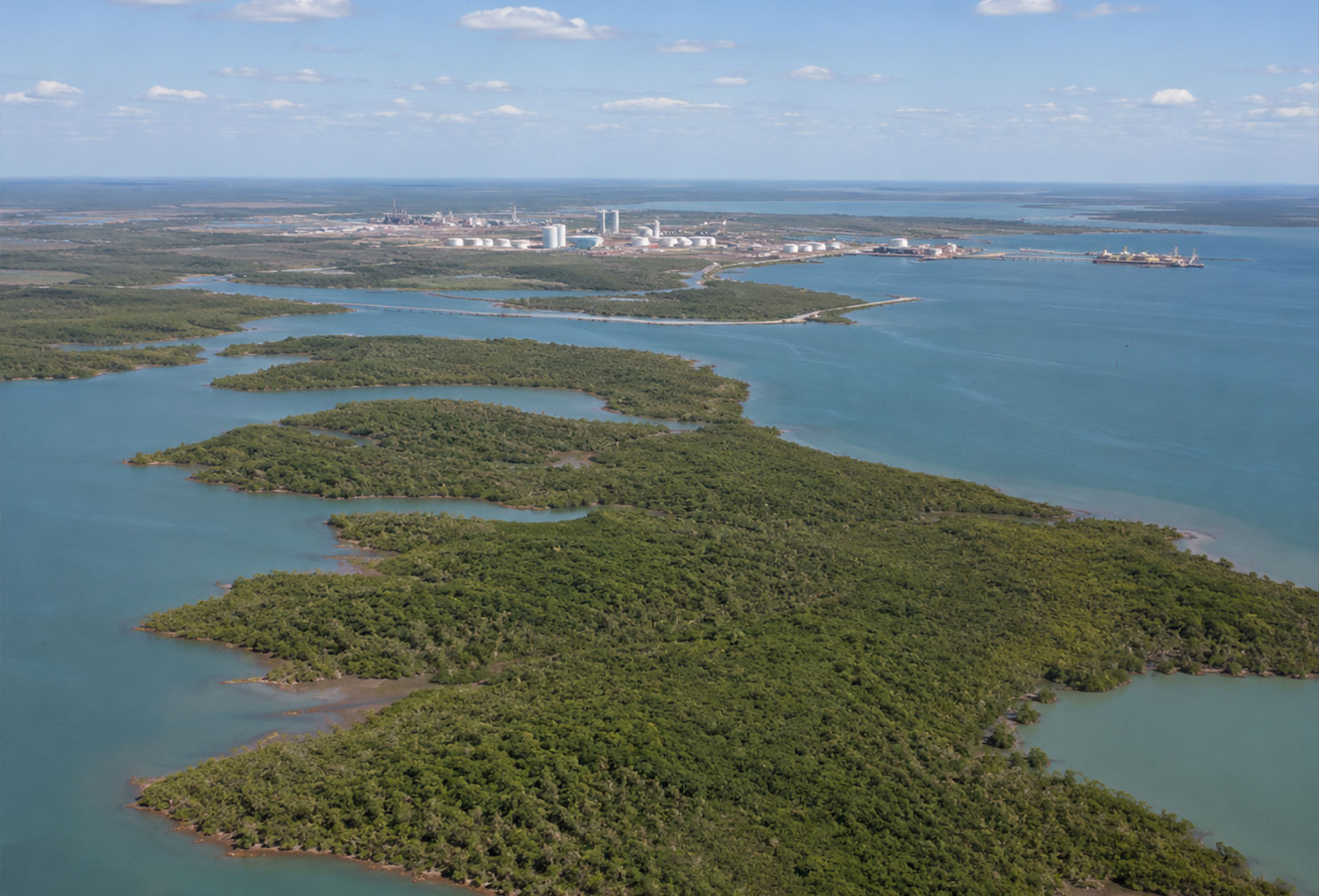

Browse LNG has occupied a curious position in Australia’s energy conversation for the better part of two decades. The resource is enormous, located in the Browse Basin approximately 425 kilometres north of Broome off the Kimberley coast. The development case has been made and remade. Environmental and heritage approvals have been contested, secured and contested again. FID has been deferred more times than most practitioners care to count.
But as Scarborough edges toward its first LNG cargo and Woodside completes its asset swap with Chevron, consolidating its position at the North West Shelf and reshaping its WA portfolio, Browse is attracting renewed attention. The question the industry is asking, quietly but more insistently, is whether this time is actually different.
The Asset Swap That Changes the Browse Equation
In late 2024, Woodside and Chevron agreed to a significant portfolio swap. Woodside would acquire Chevron’s interest in the North West Shelf Project, while Chevron would take Woodside’s stakes in the Wheatstone and Julimar-Brunello projects. Subject to regulatory clearances, the deal was expected to complete through 2026.
For Browse, the relevance of this deal is indirect but meaningful. Woodside consolidating its position at the North West Shelf gives it greater control over the processing infrastructure that has long been central to Browse’s development case. Browse gas has historically been intended to flow via a subsea pipeline to the Burrup Peninsula for processing at the North West Shelf’s LNG trains, rather than through a standalone development. A Woodside-controlled NWS is a cleaner pathway for that model than a jointly owned one with multiple parties.
Browse’s joint venture partners, which include Woodside as operator alongside Shell, BP, MIMI and PetroChina, have all been through multiple rounds of development studies. JV alignment has historically been one of Browse’s most stubborn obstacles. The portfolio reshuffling happening across WA’s LNG sector in 2025 and 2026 is, at minimum, reducing some of that complexity.
What the Development Actually Involves
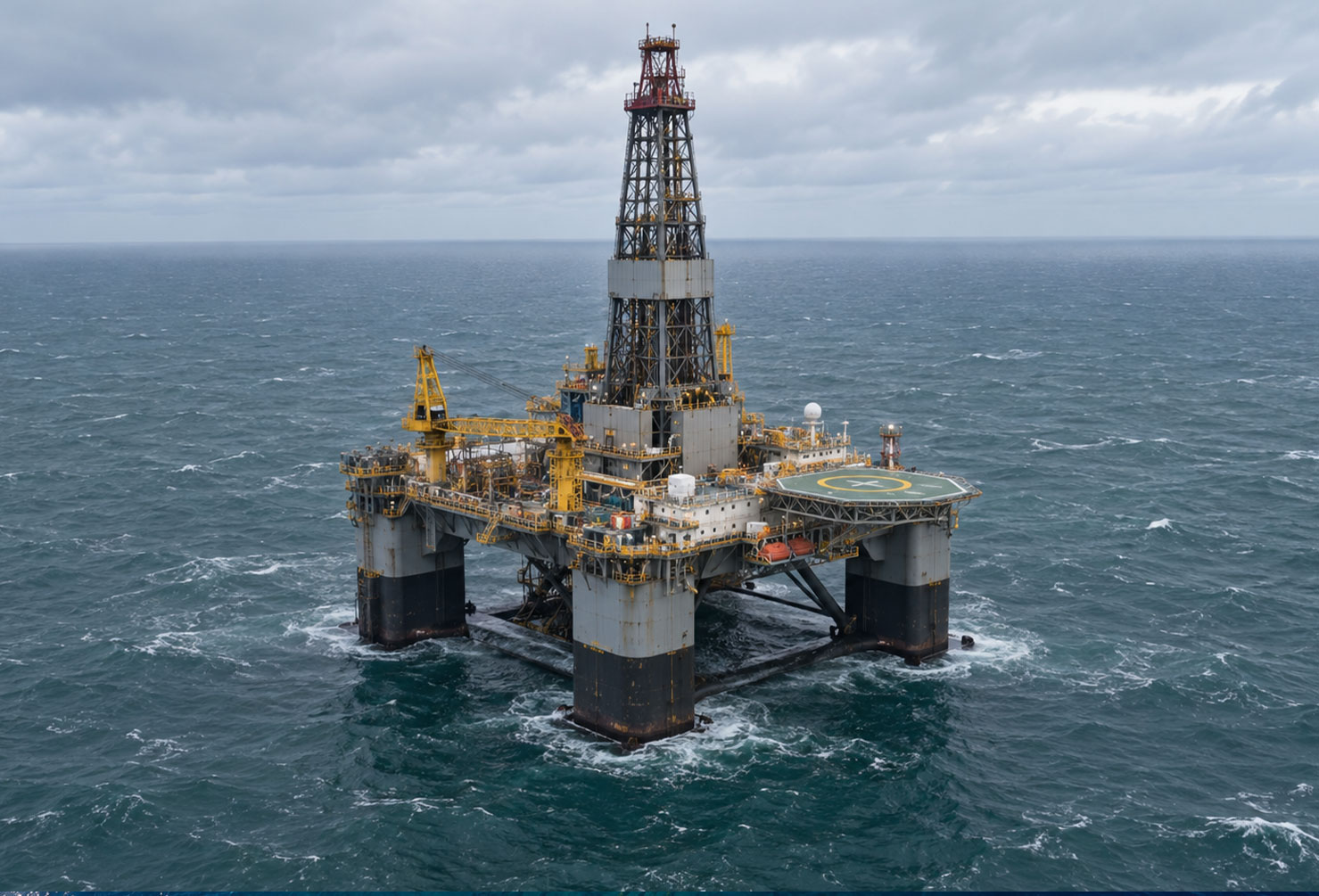
Browse is a genuinely large and genuinely complex development. The resource contains approximately 15.9 trillion cubic feet of gas, making it one of the largest undeveloped gas accumulations in the world. A development at Browse’s scale would involve:
- Multiple offshore production facilities over a deepwater field
- A 900-kilometre subsea pipeline to the Burrup Peninsula
- Significant modifications to existing NWS LNG processing infrastructure
- One of the most complex native title and environmental approval processes in Australian history
The native title dimension is the one that has generated the most controversy and the most delay. Browse is located within the sea country of several Kimberley Traditional Owner groups, and legal challenges over consultation processes have been a recurring feature of the project’s history. The regulatory environment, following the approvals reform process underway since the 2025 federal election, has streamlined some aspects of the offshore approvals process. Whether that is sufficient to give Browse a cleaner run through approvals remains to be seen.
The Market Case for Browse in 2026
The commercial argument for Browse has always rested on the long-term outlook for Asian LNG demand. That argument is, if anything, stronger in 2026 than it has been at any previous point in Browse’s development history.
Japan, South Korea, China and India are all navigating energy security concerns that point toward continued and, in some cases, growing LNG demand. Woodside’s 15-year supply deal with China Resources Gas, signed in 2025, is a signal of the appetite for long-term contracted supply. The Asia-Pacific region’s trajectory toward cleaner energy, including the phasing out of coal in power generation, is keeping LNG in the fuel mix for longer than some transition scenarios anticipated.
Against that backdrop, a resource of Browse’s scale and quality, developed by an operator with Woodside’s LNG marketing relationships, has a credible market case. The challenge is not whether there is demand for the gas. It is whether the capital, the approvals and the JV alignment can all come together on a workable timeline.
What Browse Means for the Workforce
A final investment decision on Browse, if and when it comes, would represent one of the most significant workforce demand events in Australian oil and gas history. The development would be more complex and more labour-intensive than Scarborough, and construction would run for years rather than months.
The workforce implications begin well before an FID. The development studies, environmental impact assessment processes, FEED and the ongoing engagement with Traditional Owners and regulators all require specialist professionals. Project managers with LNG mega-project experience, environmental and heritage consultants, subsea engineers, pipeline engineers and regulatory specialists are all part of the pre-FID workforce picture.
Once construction begins, the scale of demand would dwarf anything WA has seen since the LNG construction boom of the early 2010s. The combination of Scarborough ramping into operations, ongoing NWS life extension work and Browse construction would create a labour market environment that makes the planning of today look like a rehearsal.
The Cautious View
Browse has been described as the next major WA LNG development many times before. The honest position in mid-2026 is that it is closer to moving than it has been for years, the commercial and portfolio conditions are more favourable than previously, and the external environment is supportive. But an FID is not imminent, and the approvals and JV alignment challenges are real.
For workers and operators planning around Browse, the right approach is to watch it closely, position for the pre-FID activity that is already real, and avoid treating a final investment decision as a certainty in any near-term workforce plan. The project’s history demands that respect.
If Browse does go, it will be transformational. The question is when, not if.