
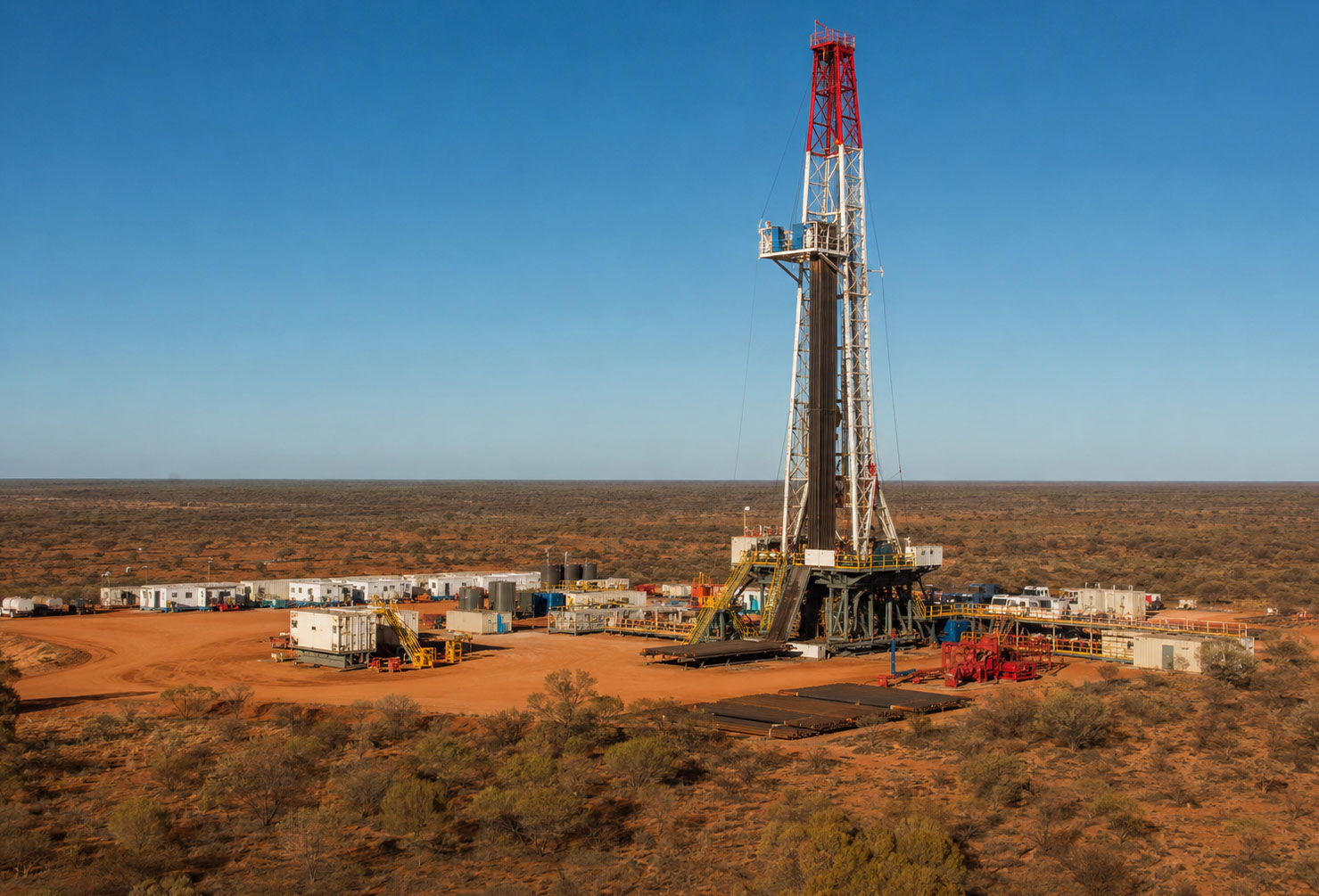
In May 2026, South Australian Premier Peter Malinauskas announced that the state government would introduce legislation to lift the moratorium on hydraulic fracture stimulation in the state’s South East region, approximately two years ahead of its scheduled November 2028 expiry.
The decision is significant and, depending on how the Upper House vote plays out, potentially consequential for Australia’s east coast gas supply picture. But it is also worth understanding clearly. Lifting the moratorium is not the same as approving fracking. It removes a legislative prohibition, after which any individual proposal would still need to work through environmental impact assessments, public consultation and formal permitting under South Australia’s existing regulatory framework. The path from policy announcement to production is long.
For workers and employers in Australia’s upstream oil and gas sector, the question is what this actually means in practical terms, and when.
What the Moratorium Actually Covered
A common misunderstanding about South Australia’s fracking policy is that it represented a statewide ban. It did not. The 10-year moratorium, enacted in 2018 by the then-Marshall Liberal Government, applied exclusively to the South East region, also known as the Limestone Coast, which covers the onshore Otway Basin straddling the South Australian and Victorian border.
Hydraulic fracturing has continued without restriction throughout the rest of South Australia, including the Cooper Basin, where Santos operates the Moomba gas plant and where significant unconventional gas production has been underway for years. The South East moratorium applied to a specific region with its own geological and community profile, distinct from the established Cooper Basin operations.
The Limestone Coast region sits beneath some of South Australia’s most productive agricultural land, including vineyards and dairy farms, and overlies aquifer systems that are central to regional water supply. Industry assessments suggest the region could hold recoverable gas volumes sufficient to supply South Australia for approximately a decade, though these estimates are based on exploration data rather than confirmed production. That combination of potential resource and community sensitivity is the core of why the moratorium has been contested.
Why the Government Is Moving Now
The immediate driver is east coast gas supply. AEMO has forecast increasing risks to gas supply in southern Australia from 2029, with additional supply required in many scenarios from 2030. South Australia is particularly exposed given its gas import dependency and the anticipated decline of existing sources.
Premier Malinauskas was direct about the rationale: the moratorium is no longer tenable against the backdrop of projected supply shortfalls. The state has assembled a broader package of measures including a South Australian Strategic Gas Reserve and a Firm Energy Reliability Mechanism, but as the government has acknowledged, none of those mechanisms can manufacture new molecules. Only upstream investment and production can do that.
The decision to move two years early rather than letting the moratorium expire naturally reflects a recognition that the time required to move from legislative change to actual production is substantial. Even if the bill passes, the exploration, assessment, permitting and development process for any specific project in the South East would take years before gas flowed. Starting that process earlier means supply could be available sooner when it is needed.
The Political Path Is Not Clear
The bill’s passage is not assured. South Australia’s Labor government does not hold a majority in the Legislative Council, and the Premier has acknowledged publicly that the legislation could fail without support from the Liberal Party and potentially One Nation in the Upper House. Community opposition in the Limestone Coast has been vocal, and the trust dimension, residents pointing to earlier government assurances about the permanence of the 2018 moratorium, adds political complexity beyond the scientific debate.
With the bill currently stalled in the Upper House following opposition from both the Liberals and One Nation, the immediate outlook is uncertain. Workers and operators with east coast onshore interests should watch how this resolves. The workforce implications of this policy shift are real but contingent on the legislation eventually passing, and then on individual companies making investment decisions to pursue exploration in the region. Neither of those outcomes is assured.
What Upstream Activity in the South East Would Actually Require
If the legislation passes and investment follows, the early-stage workforce requirements for unconventional gas exploration and appraisal in the South East would follow a familiar pattern from other Australian basins.
The first phase is environmental baseline work and geotechnical assessment, which draws on environmental scientists, hydrogeologists, ecologists and heritage consultants. This is not a large workforce in numerical terms, but it is a highly specialised one and it would be concentrated in and around the Limestone Coast region.
The exploration and appraisal drilling phase, if it proceeds, would generate demand for:
- Drilling engineers and rig supervisors with onshore unconventional experience
- Rig crews, including drillers, derrickmen, floorhands and mud engineers
- Wellsite geologists and completion engineers
- HSEQ professionals with regulatory and community liaison experience
- Logistics and supply chain coordinators for remote site operations
If appraisal results support commercial development, the subsequent production phase would create longer-term operational and maintenance employment. The skills required at that stage are broadly similar to those in other onshore gas operations, including the Cooper Basin and Beetaloo Basin programs.
The Cooper Basin Comparison
The Cooper Basin provides a useful reference point for what a mature onshore gas operation in South Australia looks like from a workforce perspective. Santos operates the Moomba plant as one of the largest onshore gas processing facilities in Australia, and the basin’s workforce has been a relatively stable source of employment for experienced upstream oil and gas professionals for decades.
The Limestone Coast would not replicate the Cooper Basin in scale, at least not in the near term. But the operational profile, onshore unconventional gas requiring drilling, completion, production and processing expertise, draws on a similar workforce pool. Workers with Cooper Basin or Queensland coal seam gas experience would have directly transferable skills if the Limestone Coast develops as a production region.
The Realistic Workforce Timeline
The workforce implications of the SA moratorium decision are real but deferred. If the bill passes in 2026, the earliest realistic timeline for exploration drilling in the South East would be 2027 at the optimistic end. Commercial production, if exploration results support it, is a mid-2030s story at best.
What is worth watching now is which companies hold acreage in the South East and what their stated intentions are following a potential moratorium removal. The announcement of specific exploration programs, and the associated early-stage environmental and engineering workforce requirements, would be the first concrete signal that this policy shift is translating into actual activity.
For workers based in South Australia or with east coast onshore experience, this is a development to monitor. For operators planning workforce pipelines for the medium term, the South East is worth including in scenario planning alongside the more established east coast supply discussions.