On 28 October, the Victorian government announced that a production licence had been approved to restart the Patricia-Baleen gas fields off the Gippsland coast. It was granted through the Commonwealth-Victoria Offshore Petroleum Joint Authority, and the government says the licence has gone to Cooper Energy, a subsidiary of Amplitude Energy.
The numbers are modest by Australian gas standards. Up to 15 petajoules over the life of the project, which the Victorian government puts at around 7% of the gas the state used last year. Production is expected to run from 2028 to 2035, and the gas would flow through the existing Orbost Gas Plant and the existing Patricia-Baleen pipeline.
What makes the project worth paying attention to is not its size. It is that almost nothing about it is new.
A plant going back to the field it was built for
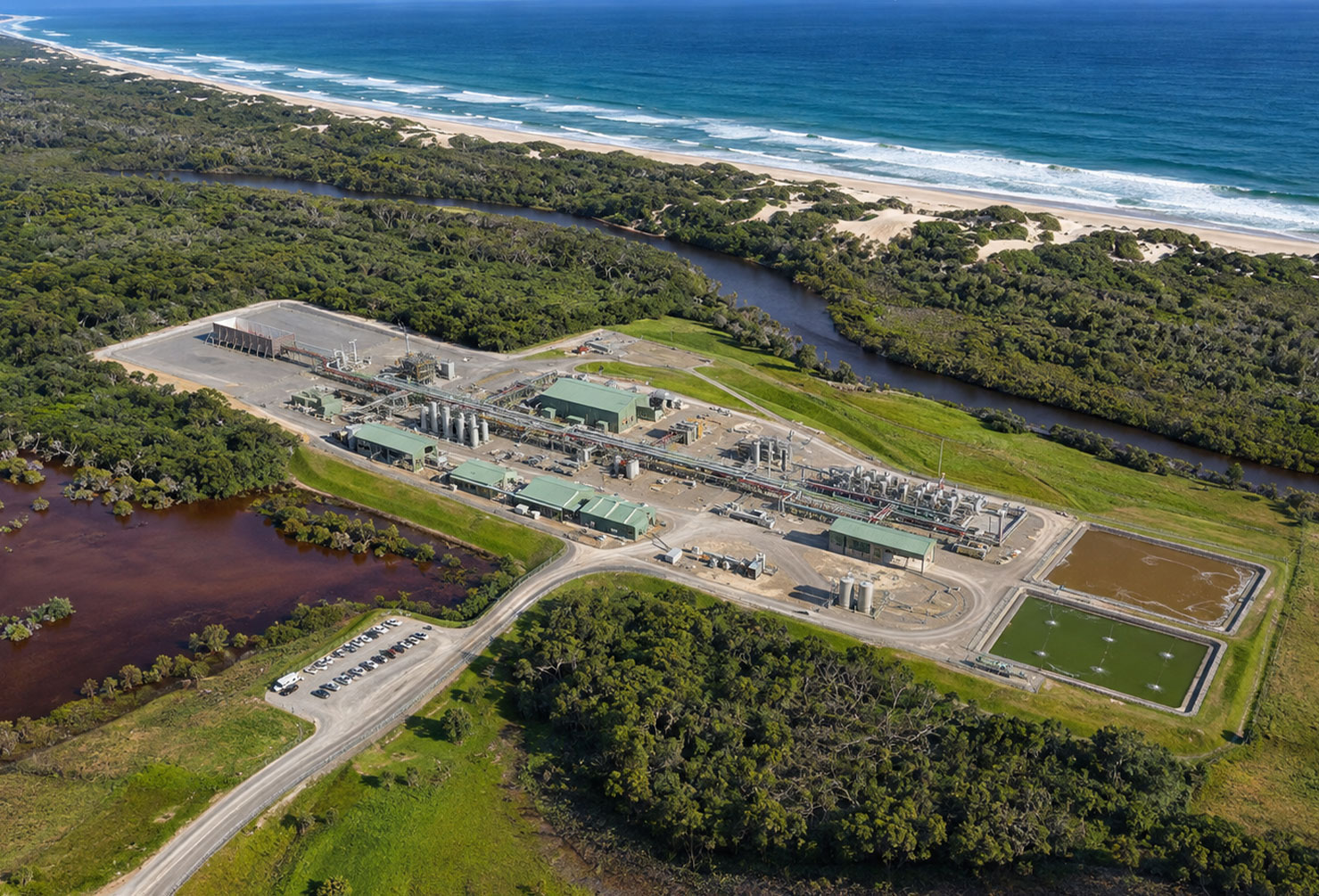
The Orbost Gas Processing Plant was commissioned in 2003 by OMV, and at the time it was known as the Patricia-Baleen gas plant, because Patricia-Baleen was what it was built to process. Santos acquired OMV’s Gippsland assets in 2005. The Patricia and Baleen wells were shut in around the middle of 2008.
The plant did not close with them. In 2009 it was upgraded to take gas from Nexus Energy’s Longtom field, which kept it running until Longtom production was suspended in 2015 and the facility went into care and maintenance. APA Group then acquired the plant and rebuilt it to process gas from the Sole field, adding mercury and hydrogen sulphide treatment among other changes. Sole delivered first gas in March 2020. Cooper Energy, now Amplitude Energy, bought the plant back in July 2022 and holds it outright.
So the facility is on its third feedstock in just over two decades, and the one now being proposed is the one it started with.
A restart is not a smaller version of a new build
It is tempting to treat a brownfield restart as a greenfield project with most of the hard parts removed. No new platform. No new pipeline. No new plant. On paper it looks like a shorter, cheaper, simpler job.
The reality is that it is a different job, not a smaller one.
On a new build, the engineering question is whether equipment that has never operated will perform to its design. The design basis is current, the materials are new, and the documentation was written by the people who are still on the project. On a restart, the question is whether equipment that has already operated will perform again. The design basis is decades old. The materials have a service history that has to be reconstructed rather than assumed. And the people who built it have largely moved on.
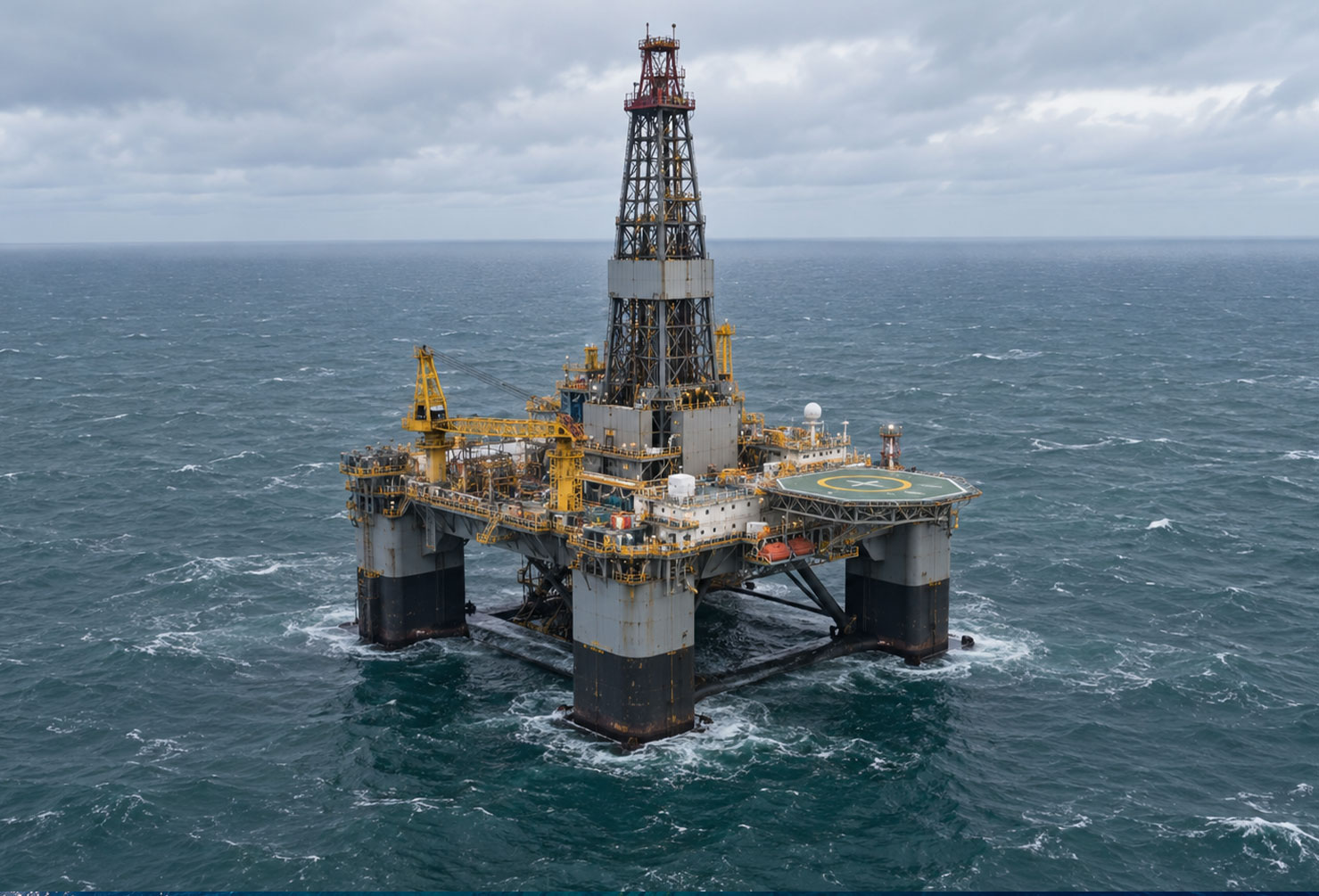
Patricia-Baleen sits at the far end of that spectrum. The wells, about 25 kilometres offshore from Marlo, have been shut in since 2008. The pipeline that would carry the gas last moved hydrocarbons when Longtom was producing, which ended in 2015. The plant at the other end of it has been rebuilt since.
Where the real questions sit
Amplitude’s concept is to restart production through the existing wells and the existing pipeline connection to Orbost. The company has said the select phase is complete and the project is progressing through front end engineering. It has also said that only limited facility modification is expected and that most of the work sits offshore, and it has set aside around A$5 million in the current financial year for Patricia-Baleen well inspections.
That last figure is the tell. A restart is not a switch. Before anyone can commit to a development, somebody has to go and look.
Front end engineering has to answer a set of questions that are specific to restarts and that do not come up the same way on a new development.
- Well and subsea integrity. What condition are the wells, trees and control systems actually in after eighteen years shut in, what can be verified by inspection and intervention, and what has to be replaced.
- Flow assurance on a line that has sat idle. Restarting a subsea pipeline that has been dormant for over a decade raises hydrate, corrosion and deposition questions that a commissioning team on a new line does not face.
- Plant interface. The Orbost plant’s current treatment train was built around gas from Sole, including mercury and hydrogen sulphide removal. Even with limited modification expected, introducing a second source means confirming that assumption rather than inheriting it.
- Available capacity. In the July to September quarter Amplitude reported the plant running above its original 68 TJ per day nameplate on 95% of days, and above 70 TJ per day on 75% of days. Where a second feed fits around that is a scheduling and process question, not just a subsea one.
- Regulatory documentation. Safety case, environment plan and the supporting technical safety work all have to be built on an asset whose original records are old and whose operator has changed more than once.
None of these are insurmountable. All of them need people who have done this specific kind of work before, and that is a smaller group than the pool of people who have commissioned new plant.
Why the timing matters now rather than in 2028
First production is targeted for 2028, which sounds comfortably distant. It is not.
The engineering judgement that determines how much work a restart actually needs is made during front end engineering, not during execution. If the integrity assessment is thin, the scope that emerges later is larger and more expensive than the one that was priced. If the flow assurance work is done by people who have modelled new lines rather than dormant ones, the assumptions carry through to a start-up sequence that does not behave the way the model said it would.
This is the stage where specialist input changes the outcome, and it is the stage at which most projects are least inclined to pay for it, because nothing visible is happening yet.
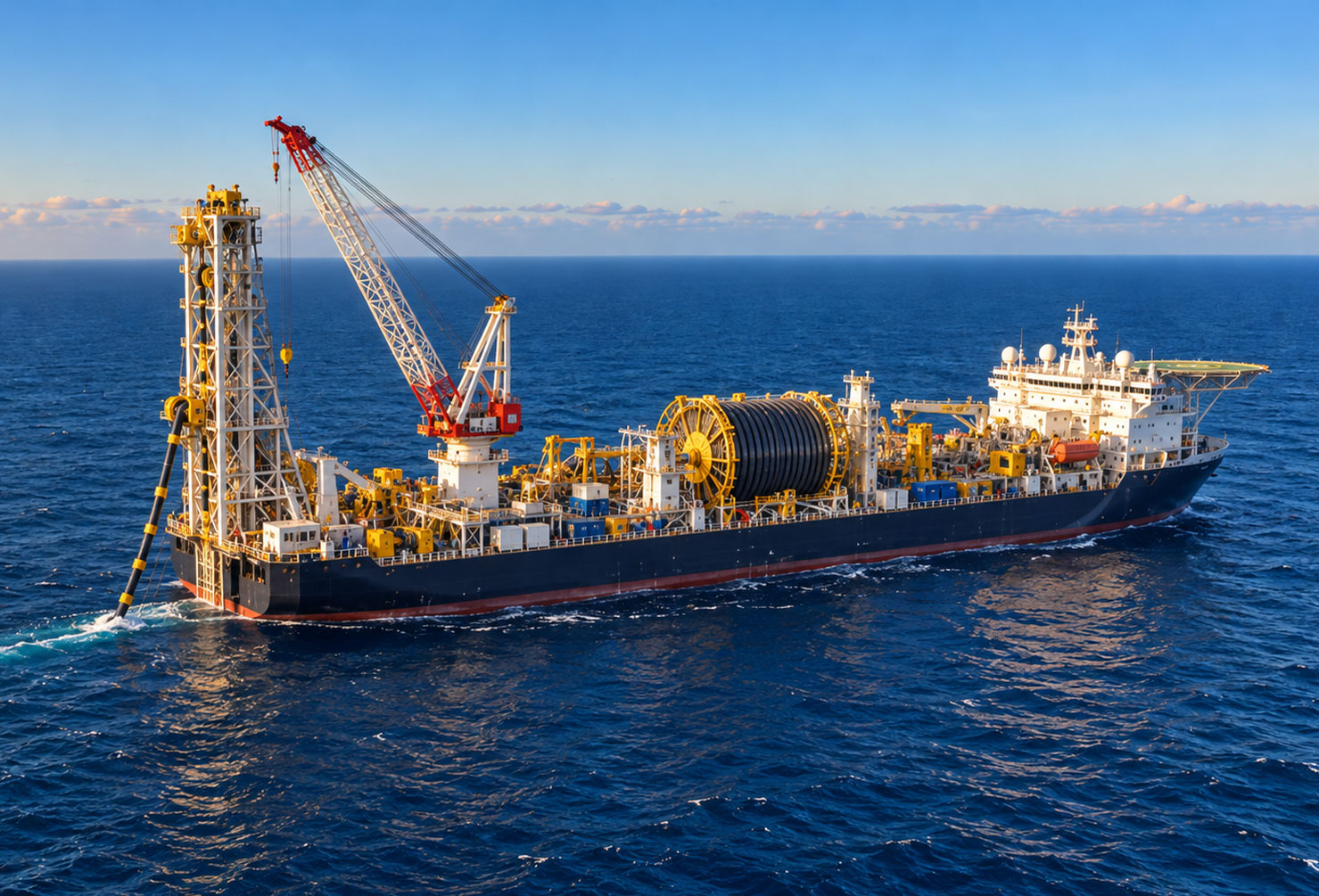
There is a scheduling dimension too. Amplitude took a final investment decision on its East Coast Supply Project in the Otway Basin in September, with first gas targeted for 2028, and has said Patricia-Baleen could potentially use the same vessel as the ECSP subsea work. The two projects are separate developments in separate basins, but if they end up sharing a vessel they also share a window, and a shared window means competing for the same offshore personnel at the same time.
The wider picture points the same way. A week before the Patricia-Baleen approval, the Victorian government approved the Golden Beach Gas Project, which it says will increase Victoria’s gas storage capacity by around 70%. Several projects in south-east Australia are converging on a similar period and will draw on overlapping groups of subsea, process and technical safety specialists.
What this means for operators
The specialists who matter most on a restart are not the ones who show up at commissioning. They are the ones who shape the scope eighteen months earlier: subsea and well integrity engineers, flow assurance and production chemistry specialists, process engineers who can work on a plant with a mixed feed, and technical safety people who can build a regulatory case on an asset with an incomplete paper trail.
Those people are generally not available at short notice, and they are not interchangeable with a general offshore engineering resource. Identifying who you need and securing their time during front end engineering, rather than at the point the scope is already fixed, is the difference between a restart that behaves and one that does not.
What this means for workers
If you have worked on a late-life asset, a care and maintenance facility, a reactivation or a decommissioning deferral, you have experience that most of the current Australian market does not value correctly yet.
The industry has spent the past decade building. The next decade in south-east Australia will involve a growing amount of restarting, extending, tying back and eventually shutting down. Those are different skills, and the people who have them are about to become considerably more useful than their resumes currently suggest.
If that is your background, it is worth making sure the people placing specialists on these projects know it.
The short version
Patricia-Baleen is a small project with an unusual shape. A field shut in since 2008, a pipeline that has not moved hydrocarbons in over a decade, and a plant going back to the gas it was originally built for.
The approval is the easy part. The engineering judgement between now and a final investment decision is where the project will be made or lost, and that judgement depends entirely on who is in the room.