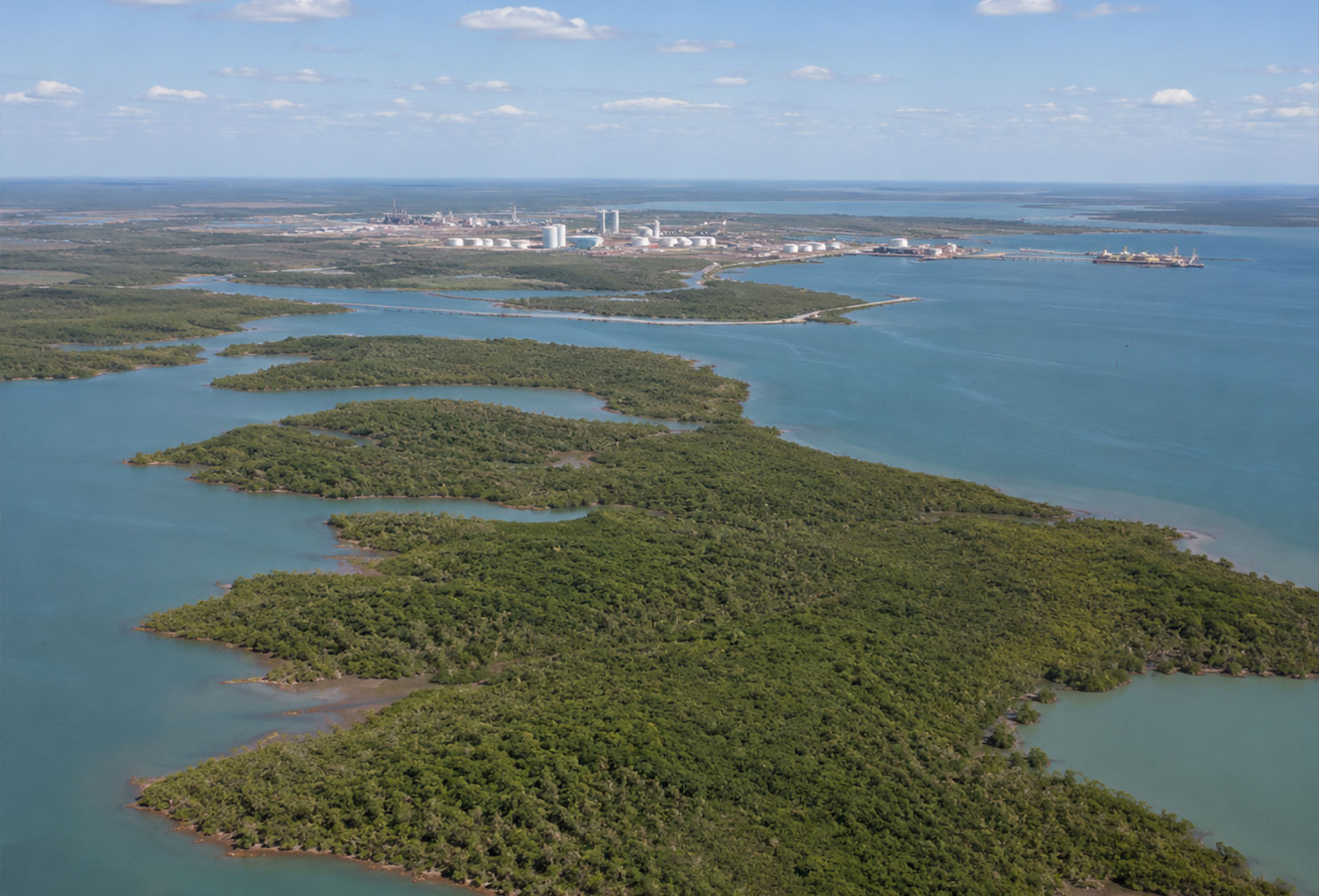
Over the weekend of 6 and 7 September 2026, Tamboran Resources and joint venture partner Daly Waters Energy, delivered first gas from the Shenandoah South Pilot Project into the Northern Territory gas network. The announcement confirmed on 7 September marks the beginning of commercial gas sales from the Beetaloo Basin, and with it the start of a new chapter in Australian upstream history.
This is not a routine production milestone. The Beetaloo Basin is one of the largest shale gas accumulations in the world. The first molecules of Beetaloo gas entering the Northern Territory network represent the culmination of more than a decade of exploration, environmental assessment, community consultation, infrastructure construction and technical work. They also mark the arrival of shale gas production in Australia, a development that has been anticipated, debated and deferred for years. It has now happened.
For the workforce that delivered this result, and for the operators, contractors and workers who will build on it, understanding what this milestone means and what comes next is more important than the celebration itself.
What Actually Happened Over the Weekend
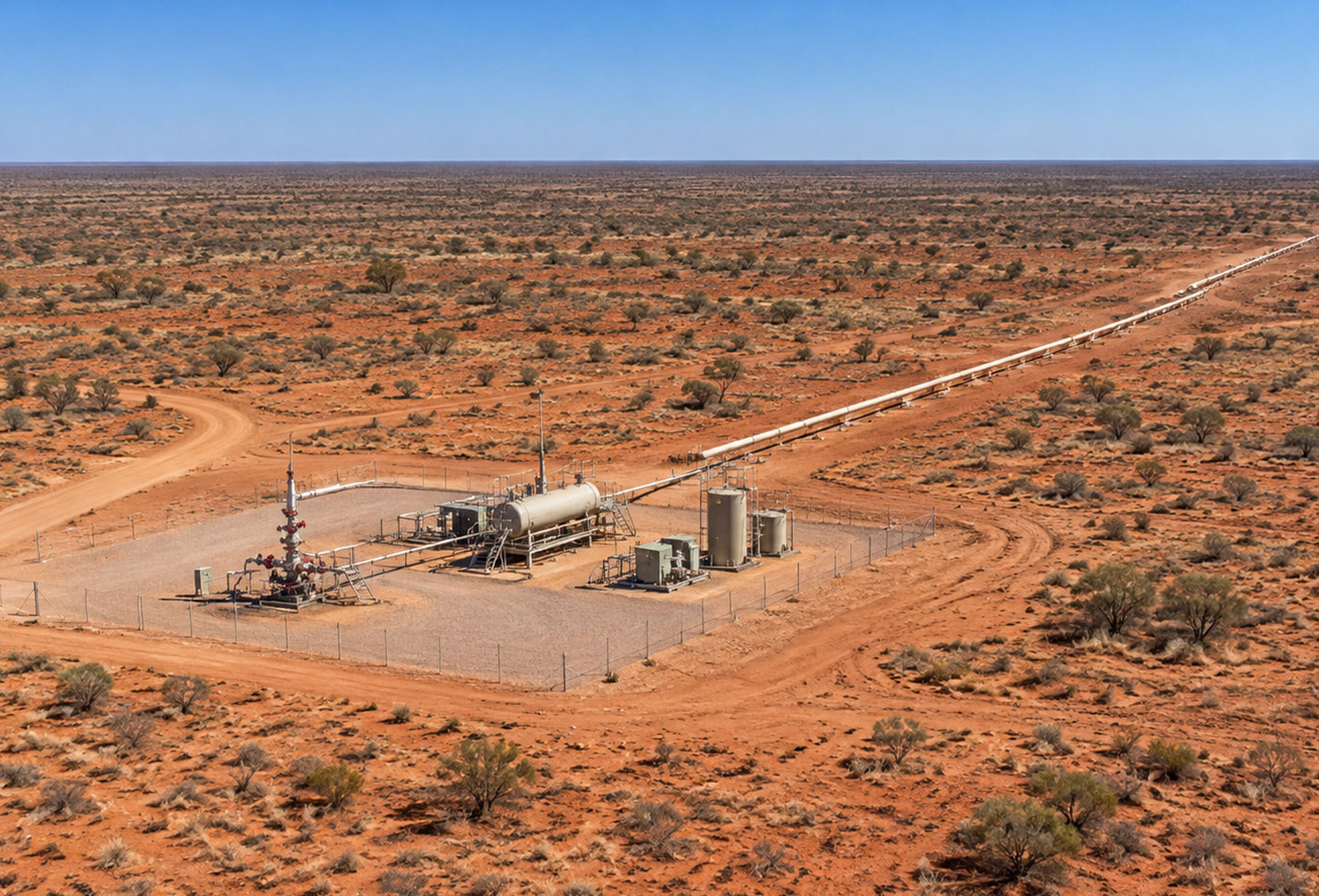
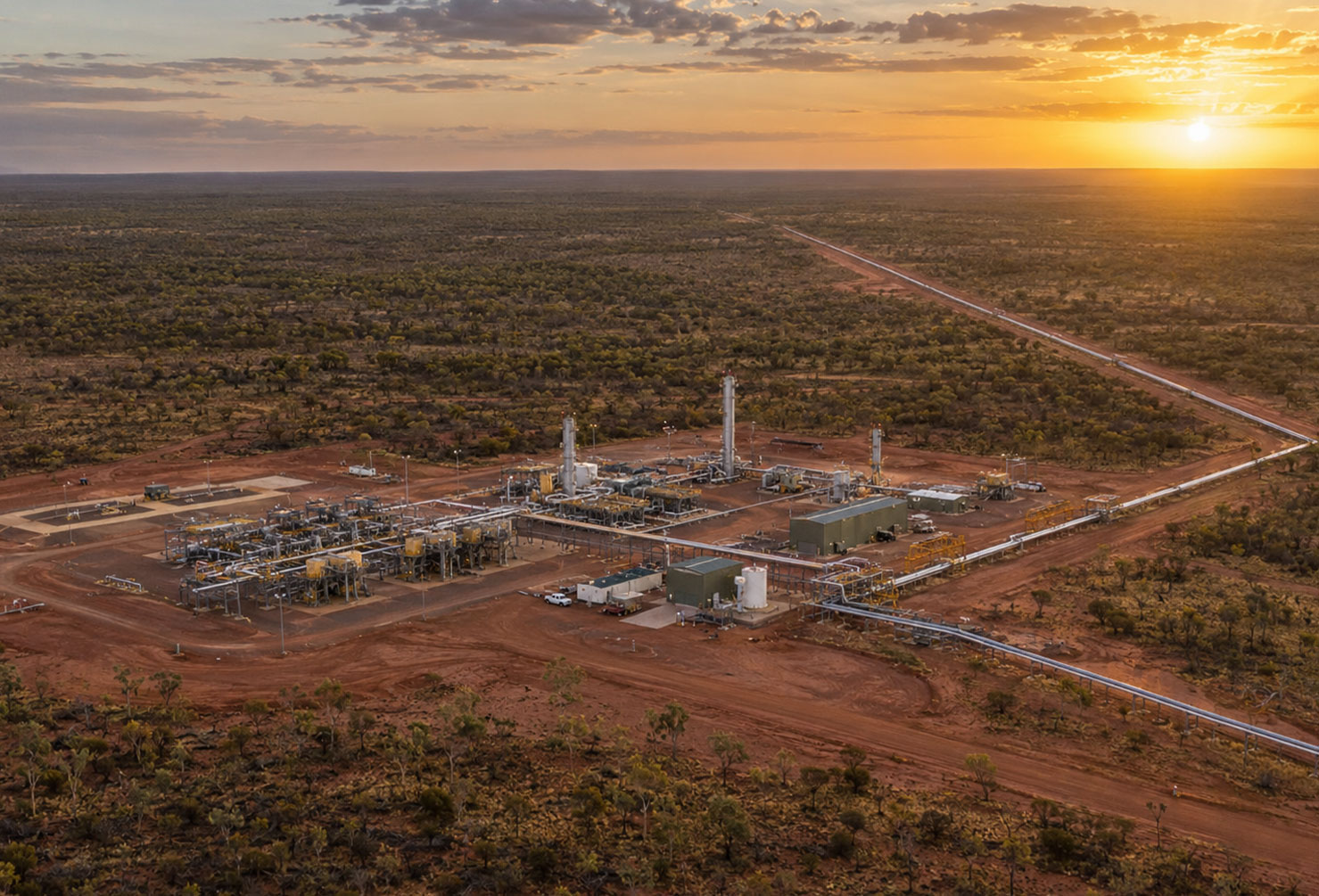
Tamboran and Daly Waters Energy, delivered initial gas sales into the Northern Territory gas network on the weekend of 6-7 September 2026. The Sturt Plateau Compression Facility, constructed at a cost of approximately A$180 million, is now in its commissioning phase. All five wells on the Shenandoah South 2 pad have been drilled, stimulated and tied back to the facility.
During commissioning, Tamboran and its JV partner will receive a discounted gas price reflecting the interruptible nature of supply. Production is expected to progressively ramp up to the full 40 terajoules per day contracted to the Northern Territory Government under a long-term take-or-pay agreement by early 2027. The NT Government confirmed that first gas from the Beetaloo Basin marks the end of having to take emergency gas piped from Japanese gas giant Inpex and from east coast gas supplies, following damage to the NT’s Blacktip field by Cyclone Fina.
GR Production Services is the regulated operator of the Sturt Plateau Compression Facility, with its people on the ground delivering operations and maintenance services as the project enters its first production phase. APA Group’s Sturt Plateau Pipeline, confirmed complete in APA’s FY26 results, is the infrastructure link that carries Beetaloo gas from the compression facility to the Northern Territory Gas Network. The three-party system of producer, pipeline and compression operator is now active and delivering.
A Decade of Work Behind One Weekend
The Beetaloo Basin’s journey to first gas is worth understanding in full because it explains why this milestone matters at a scale that routine production announcements do not.
The Beetaloo Sub-basin sits approximately 500 kilometres south of Darwin in the Northern Territory. The basin’s shale gas potential has been known since early exploration work in the 2010s, but the combination of remoteness, regulatory complexity, strong environmental opposition, infrastructure absence and the capital requirements of shale development meant that the pathway from discovery to production was long and difficult.
A series of moratoriums, inquiries and regulatory reviews in various Australian states and territories delayed shale gas development nationally for years. The NT Government’s decision to proceed with development, underpinned by a detailed scientific inquiry and a framework of environmental conditions, was a critical enabling decision. Without it, the Beetaloo Basin would still be a resource on a map rather than a producing gas field.
Tamboran Resources built its position in the basin through years of acreage acquisition, geological evaluation and community engagement with Native Title holders. The FID on the Shenandoah South pilot project was taken in September 2025, with the NT Government’s Country Liberal Party administration underwriting A$75 million of the A$180 million loan for the compression facility construction. That financial commitment by a state government to an upstream gas project is unusual and reflects how seriously the NT has treated the Beetaloo’s development as a strategic priority.
The stimulation campaign that made first gas possible is itself a record. Tamboran completed 178 stages across three Shenandoah South wells in a record three-well zipper frac program, using Liberty Energy’s frac fleet. That is the largest stimulation campaign ever conducted in the Beetaloo Basin, executed on a timeline that required precise coordination between drilling, completions, facilities construction and pipeline commissioning teams working simultaneously.
The Workforce That Delivered This
The Shenandoah South first gas result was not delivered by a single company or a single discipline. It was delivered by a coordinated chain of specialists whose work had to be sequenced, managed and executed to a timeline in one of Australia’s most remote operational environments.
The completions team executed the largest frac campaign in the basin’s history. Liberty Energy’s crews brought US-style hydraulic fracture stimulation technology to the NT, running 178 stages across three wells in a program that required sustained operational precision over an extended period. Completions engineers with specific shale fracturing experience are among the most globally mobile and in-demand professionals in the upstream sector, and the Beetaloo campaign has added a significant body of Australian operational data to that knowledge base.
The pipeline crews who built APA Group’s Sturt Plateau Pipeline worked in remote NT conditions to deliver the infrastructure link that makes commercial gas sales physically possible. Without the pipeline, the compression facility cannot deliver gas to market regardless of what the wells produce. The pipeline was confirmed complete in APA’s FY26 results and its contribution to the first gas milestone is direct and essential.
GR Production Services’ operations and maintenance team is now on the ground at the Sturt Plateau Compression Facility, managing the facility that processes Beetaloo gas for delivery into the NT network. The regulated operator role requires a specific combination of compression operations experience, remote site management capability and the safety management systems appropriate to a new shale gas facility in a regulated environment.
Behind all of this is the project management and technical workforce that coordinated the simultaneous execution of drilling, stimulation, facilities construction and pipeline completion to a timeline that could not afford extended delays. Tamboran CEO Todd Abbott’s description of the NT Government as the most supportive government he has ever worked under reflects how much the regulatory and approval environment matters to the execution of complex upstream projects in remote jurisdictions.
What Comes Next and What It Requires
First gas is the beginning, not the end. The Shenandoah South pilot is designed to demonstrate commercial production rates from the Beetaloo Basin and to provide the operational and geological data that underpins Tamboran’s Phase 1 development decision. The pathway from the current 40 TJ/day pilot to Phase 1, which targets 100 million standard cubic feet per day, is substantial and will require a materially larger workforce than the pilot has needed.
Tamboran’s three-year extension of its Liberty Energy hydraulic fracture stimulation and wireline services agreement, with a mutual option for a further two years, is a direct signal of that development intention. A five-year commitment to a frac contractor relationship is not made for a pilot program. It is made for a development program. The MOU covers an initial three-year term from 1 September 2026 to 31 August 2029, with a mutual option for a further two years to 31 August 2031, encompassing the Phase 1 development drilling and stimulation program.
The workforce implications of Phase 1 are different in scale and character from those of the pilot. Where the pilot required a concentrated specialist team executing a defined program, Phase 1 requires:
- A sustained rig fleet for the multi-year development drilling program across the Shenandoah South and adjacent permit areas.
- Multiple frac crews operating simultaneously rather than sequentially, requiring a larger pool of completions engineers and frac hands than the pilot demanded.
- Expanded facilities and compression infrastructure to handle growing production volumes, requiring mechanical, electrical and instrumentation trades for construction and ongoing operations.
- A growing operational workforce for the producing wells and associated facilities, covering production operations, water management, instrument and electrical maintenance and asset integrity.
- Environmental and regulatory professionals for the ongoing compliance requirements of an expanding shale development program in the NT.
- A broader community and landowner engagement workforce to manage the relationships with Native Title holders and pastoral landowners across an expanding operational footprint.
Tamboran completed the acquisition of Falcon Oil and Gas Australia’s Beetaloo Basin interests in May 2026, adding to its acreage position and consolidating its standing as the largest acreage holder in the Beetaloo Basin depocentre with approximately 2.8 million net prospective acres. That scale of acreage, combined with first gas now confirmed and a Phase 1 development program in planning, positions Tamboran as one of the most significant upstream employers in the NT for the decade ahead.
What This Means for Australia
The Beetaloo Basin’s significance extends beyond the Northern Territory. Tamboran CEO Todd Abbott has described the Beetaloo as the largest non-associated gas field in the world outside of the Middle East or Russia, an assessment of basin scale that, if supported by development results, would position Australia’s NT shale gas resources alongside the world’s most significant hydrocarbon accumulations.
The immediate benefit is to the NT domestic market. The NT Government’s long-term take-or-pay agreement for 40 TJ/day directly addresses the supply gap created by the Blacktip field damage and removes the NT’s dependence on emergency gas imports from Inpex and east coast sources. That is a tangible and immediate improvement in the NT’s energy security position.
The longer-term potential is for the Beetaloo Basin to contribute to Australia’s east coast gas supply challenge and, eventually, to LNG export markets. Developers working in the basin have said publicly that they intend to replicate the Queensland LNG model in the NT, but with the benefit of learning from Queensland’s infrastructure duplication and cost escalation experience. The Sturt Plateau Pipeline and APA’s broader NT infrastructure investment are the first pieces of the delivery system that would need to scale significantly for that ambition to be realised.
For the Australian energy workforce, the Beetaloo Basin is now a producing gas province rather than a future prospect. The specialists who have built their careers around shale gas development, from completions engineering to frac operations to shale reservoir management, have a new and growing home for their skills in Australia’s Northern Territory. And the broader upstream workforce that will be needed to develop the Beetaloo Basin at scale is a generation in the making, starting now.