In early May 2026, a relatively quiet announcement from a mid-cap ASX energy company signalled something meaningful for Australia’s east coast gas market. Amplitude Energy, formerly known as Cooper Energy, received production licence VIC/L37 for its Annie offshore gas field in Victoria’s Otway Basin. Both the federal and Victorian state governments granted the approval, with Resources Minister Madeleine King describing it as an important step in bringing more gas to the east coast market.
The announcement did not attract the headlines that a Scarborough commissioning milestone or a Taroom Trough drilling result might generate. But the projects that quietly receive production licences and progress through development without controversy are often the ones that actually deliver gas when the market needs it. And the east coast market needs it.
For operators, project developers and the workforce that underpins this kind of development, the Annie story is worth understanding properly.
What the Annie Field Actually Is
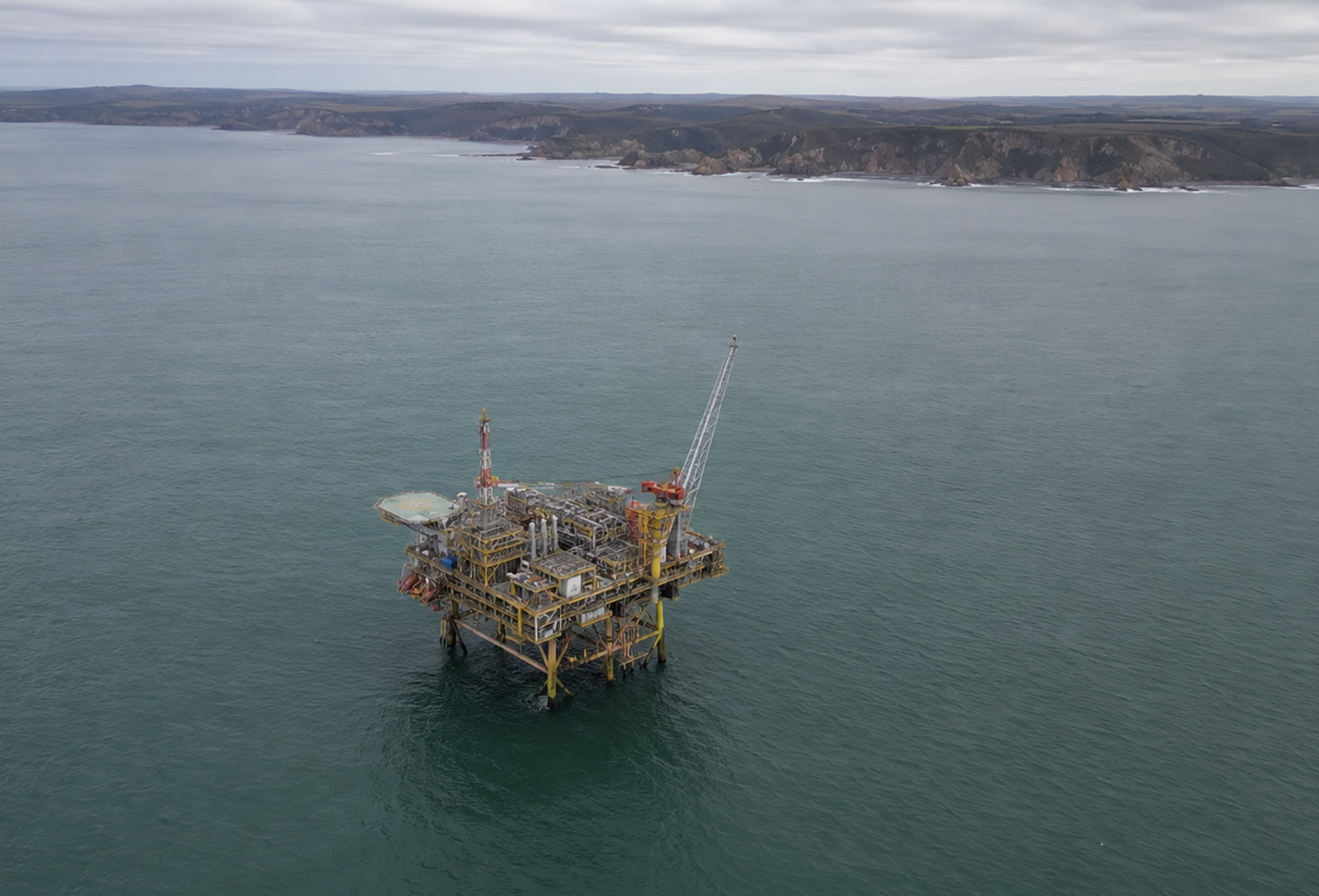
The Annie gas field was discovered in 2019 in the Otway Basin, located in water depths of approximately 55 metres around 30 kilometres off the coast of Port Campbell in western Victoria. It sits within Amplitude Energy’s broader Otway Basin portfolio, which includes the operating Casino, Henry and Netherby offshore gas fields and the Athena Gas Plant onshore near Port Campbell.
That existing infrastructure is central to Annie’s commercial case. Rather than requiring a standalone development with its own processing facilities and pipeline connections, Annie gas will be directed through existing Otway Basin pipelines to the Athena Gas Plant, which has a processing capacity of 150 terajoules per day. The use of existing infrastructure significantly reduces development capital requirements and compresses the timeline from approval to first gas.
All gas produced from Annie is committed exclusively to the east coast domestic market. There is no LNG export component. The project is a direct response to the structural supply gap that AEMO has been forecasting for the southern states as legacy Gippsland Basin fields decline, and its 2028 first gas target is specifically calibrated to the window when that pressure is expected to intensify.
The Scale of What Annie Contributes
The Annie field is not a game-changer in isolation. It is a meaningful and timely contribution to a market that needs every reliable new molecule it can get.
The project is expected to supply the equivalent of more than a third of Victoria’s annual gas consumption at peak production. In the context of a state that is actively electrifying its residential sector, reducing gas demand over the long term, but that still depends on gas for industrial processes, gas-fired power generation backup and the broader south-eastern Australia network, a third of annual Victorian consumption is a significant contribution.
AEMO’s most recent forecasting, updated in its 2026 Gas Statement of Opportunities, revised the peak-day shortfall risk for southern Australia back by one year to 2029, partly due to declining residential demand from electrification programs. Annie’s 2028 first gas target positions it to supply into the market before that shortfall window opens, providing a genuine buffer rather than a delayed response.
The Otway Basin’s broader context matters here. Amplitude Energy’s operating fields at Casino, Henry and Netherby have been producing gas for Victoria and South Australia since 2004. Annie is the next layer of that portfolio, building on established infrastructure, regulatory relationships and operational capability that the company has developed over two decades of Otway Basin operations.
Why the Approval Process Matters as Much as the Project
Minister King’s statement on the Annie licence approval specifically noted that timely approvals and regulatory certainty for oil and gas projects are critical given the length of investment cycle required. Amplitude Energy made the same point in its own announcement.
This is worth dwelling on. The Annie field was discovered in 2019. It received its production licence in May 2026. That is a seven-year journey from discovery to development approval for a project in water depths of 55 metres, using existing infrastructure, with no novel technology requirements and a committed domestic supply outcome. The regulatory timeline for a project of this relative simplicity illustrates why Australia’s east coast gas supply challenge is not primarily a geological one.
Australia has the gas. The Otway Basin, the Gippsland Basin, the Cooper Basin, the Taroom Trough and the Beetaloo Basin all contain resources sufficient to meet domestic demand and maintain export commitments for decades. The constraint is the time it takes to move from discovery to production under current regulatory frameworks, and the investment uncertainty that extended timelines create for the smaller operators and developers who make up a significant portion of the upstream sector.
The bipartisan federal-state approval of Annie, with the Victorian government joining the Commonwealth in granting the licence, is a more positive signal than the announcement alone might suggest. It reflects a degree of alignment between state and federal resource and energy policy that has not always been present on Victorian offshore gas projects.
What the Development Phase Requires
With the production licence granted and development works scheduled to begin in 2027, the Annie field is entering the phase where its workforce requirements become concrete rather than theoretical.
The development program for a project of Annie’s scale and profile would typically involve:
- Subsea installation engineering and project management for the wellhead and flowline connection to the existing Otway Basin pipeline network
- Drilling engineers and well engineers for the development wells, working within the established Otway Basin well design parameters
- Offshore installation vessel crews and marine operations personnel for the subsea infrastructure installation
- Instrument and control systems engineers for the tie-in to the Athena Gas Plant’s existing processing and control infrastructure
- HSE and environmental compliance specialists familiar with Victorian offshore regulatory requirements and the Otway Basin’s marine environment
- Logistics and supply chain coordinators managing the Port Campbell shore base and offshore vessel operations
The operational phase from 2028 adds a longer-term workforce requirement. Amplitude Energy’s existing Otway Basin operations provide the template: a relatively lean but highly skilled operational team managing offshore production, pipeline integrity and onshore gas processing on an ongoing basis. The skills that matter in this environment are process operations experience, subsea system familiarity, instrumentation and control maintenance capability, and the kind of asset integrity knowledge that comes from years working on ageing offshore infrastructure.
The Broader Pattern This Represents
The Annie approval is one data point in a broader pattern that operators and workforce planners in the east coast gas market should be tracking.
The Turrum Phase 3 drilling campaign in the Gippsland Basin, involving ExxonMobil and Woodside, is actively adding new wells to maintain production from one of Australia’s most important legacy offshore fields. The Sole gas field, also in Amplitude Energy’s Gippsland Basin portfolio, continues to supply gas to Victoria. The Narrabri Gas Project in New South Wales remains in the environmental assessment process, targeted at the New South Wales domestic market. And the Annie approval adds another piece to the east coast supply picture for the period from 2028 to 2030 when the market will be most stretched.
None of these projects individually resolves the structural challenge that AEMO has been documenting for years. Collectively, they represent the incremental, infrastructure-leveraged, domestic-supply-focused development pipeline that will keep the east coast gas market functional through the 2030s while longer-lead basin developments, including the Beetaloo connection and potential Taroom Trough production, mature toward commercial scale.
For operators who are running projects in this space, the Annie development timeline is also a useful case study in what it takes to move a conventional offshore gas project from discovery to production in the current regulatory environment. Seven years. For projects that need to be in production by 2028 or 2029 to meet supply gap forecasts, that timeline is not comfortable.
What It Means for Workers
For field workers and technical specialists considering where their skills are most needed on the east coast, the Annie development adds to a pipeline of project activity that is less visible but more sustained than the major offshore construction programs that dominate the industry conversation.
The Otway Basin is not the Pilbara. It does not attract the same media attention or the same volume of workforce recruitment activity. But it is an active, operating oil and gas province with a continuous requirement for experienced offshore operations, subsea maintenance and gas processing professionals. Amplitude Energy’s existing operational team at Casino, Henry and Netherby will be the core of the Annie operational workforce, supplemented by specialist contractors for development and construction activities.
Workers with Victorian offshore experience, familiarity with Otway Basin infrastructure and gas processing operations at the Athena plant are well positioned for both the development and operational phases of Annie. The project is also a reminder that the east coast gas market has its own workforce requirements that are distinct from the WA and NT-focused programs that dominate the sector’s hiring narrative.
The Straightforward Conclusion
The Annie gas field production licence is a good news story for the east coast gas market. It is not transformational, but it is timely, practical and specifically directed at the domestic supply gap that will matter most between 2028 and 2030. The use of existing infrastructure keeps costs manageable. The exclusive domestic supply commitment aligns with the policy direction of both federal and state governments. And the 2028 first gas target is calibrated to the market need.
The quieter projects, the ones that receive approvals without major announcements and progress through development without controversy, are often the ones that deliver. Annie looks like one of those projects.