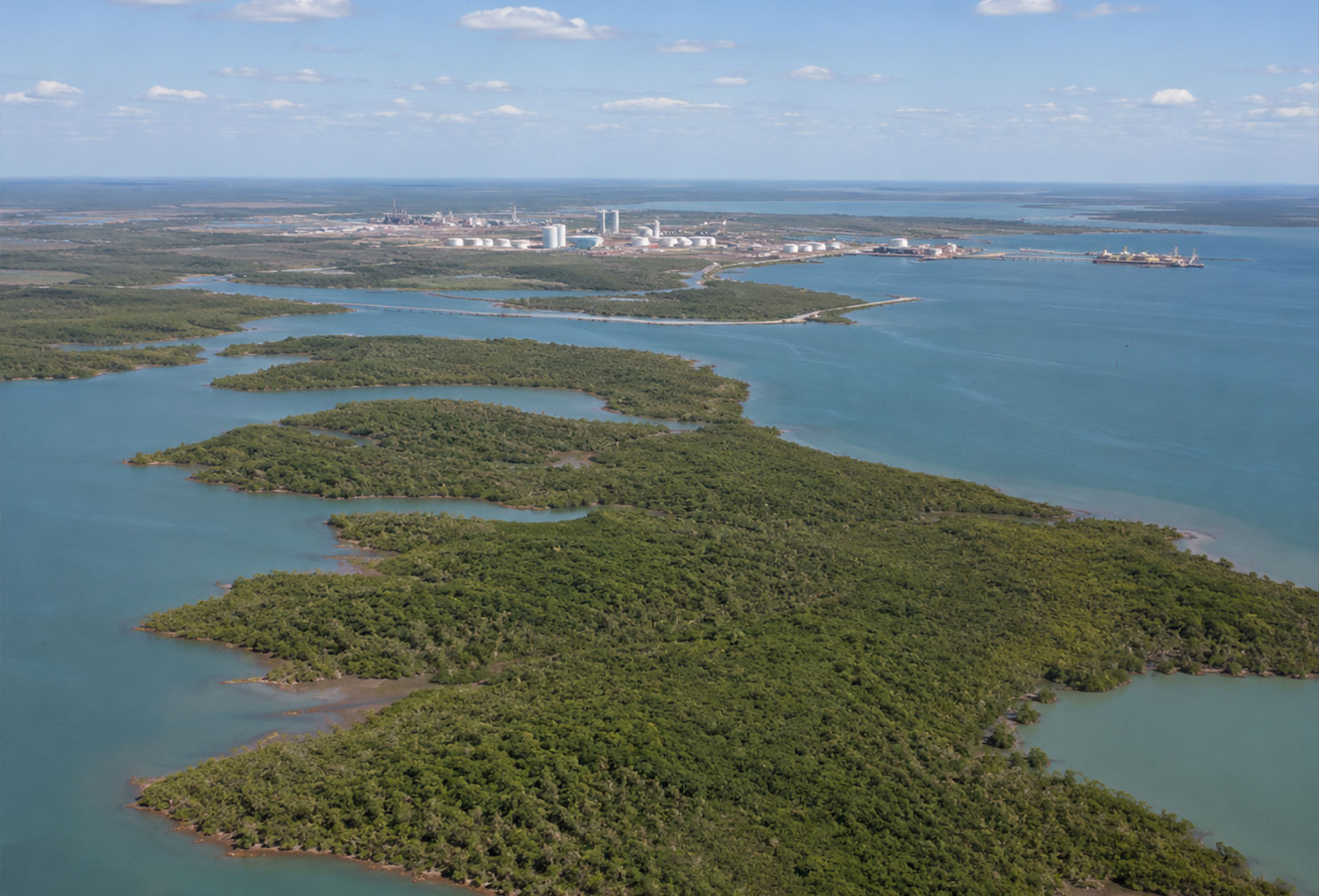

Australia’s domestic gas debate has been running for years. In May 2026, the Federal Government finally put a number on it. From 1 July 2027, LNG exporters operating on Australia’s east coast will be required to supply 20% of their gas exports for domestic use, covering export contracts entered into since December 2025.
It is the most significant structural change to Australia’s gas market in decades, and the consultation process to finalise the detailed framework is still underway. For operators, contractors and field workers trying to understand what this means for projects, jobs and workforce planning, the picture is still forming. But some things are already clear enough to act on.
What the Scheme Actually Requires
Under the domestic gas reservation scheme, LNG exporters will need to obtain an export approval from the Minister for Resources before accessing the international spot market. To obtain that approval, an exporter must demonstrate that it has actually supplied gas to the domestic market, not merely offered it. That is a meaningful distinction from the existing Gas Market Code, which only required an offer.
The 20% threshold applies to new export contracts, with long-term foundation contracts entered into before December 2025 grandfathered out of the initial obligations. This means the immediate impact on existing LNG projects is more limited than the headline number suggests. But as existing long-term contracts roll off and new arrangements are negotiated, the scheme’s reach will grow.
Detailed legislation is being drafted, with consultation on the design framework open until 30 June 2026. The final policy settings are not yet locked in, and there is genuine industry debate about how the compliance mechanism will work in practice.
Why This Matters for Project Economics
The gas reservation scheme is an attempt to address a real problem. AEMO has been forecasting east coast gas shortfalls for several years, and domestic industrial users have been vocal about price and supply concerns. The scheme is designed to prioritise Australian buyers before exporters can sell into higher-priced Asian spot markets.
For investors and operators, the concern is different. Wood Mackenzie has flagged that an overhaul of market rules could heighten investment uncertainty in a sector already navigating complex regulatory pressures. Long-lead projects like Browse LNG, which need investment decisions years before production, are particularly sensitive to policy settings that affect the economics of future export contracts.
The grandfathering provisions are designed to address some of this concern by protecting existing project structures. But the industry argument that more intervention reduces the attractiveness of new investment in Australian upstream gas is not without foundation, and it is a tension the government has not fully resolved.
The Workforce Implications
For workers and employers in the energy sector, the gas reservation scheme creates several practical considerations worth understanding.
East coast activity is likely to increase. The policy is designed to stimulate domestic supply. Projects that bring new gas into the east coast market, whether from the Beetaloo Basin via the Jemena pipeline connection, from the Surat Basin, or from offshore fields like Turrum and Barossa through Darwin, are now operating in a policy environment that supports their case. That creates upstream workforce demand in regions that have historically been secondary to WA’s LNG construction boom.
Compliance and commercial roles are growing. Every new regulatory framework creates demand for people who understand it. Contract managers, LNG traders, regulatory affairs professionals and gas market analysts all become more valuable when the rules governing how gas can be sold become more complex.
LNG export terminal operations are unlikely to shrink. The reservation scheme applies to a portion of exports, not a ban on them. The facilities that process and export LNG still need to operate, and the operational workforce requirements at projects like Barossa, Darwin LNG and the North West Shelf are not materially affected by domestic reservation policy.
Workforce planning uncertainty is the short-term reality. Until the detailed legislation is finalised, some operators are likely to hold back on workforce commitments for new projects or project extensions that are sensitive to future gas pricing and export dynamics. That uncertainty is most acute in the window between now and mid-2027, when the scheme commences.
What the 20% Rule Does Not Change
It is worth being clear about what the scheme does not do, at least in its current form.
It does not affect the operational workforce at existing LNG facilities. Projects already in production under long-term contracts, including Barossa, the North West Shelf and Pluto, are largely insulated from the immediate impact of the scheme’s grandfathering provisions.
It does not redirect WA’s gas market. The west coast has had a 15% domestic reservation policy for over a decade. The new national scheme is primarily an east coast mechanism, and WA’s established framework operates independently.
It does not resolve the underlying supply problem on its own. Reservation can prioritise who gets access to existing gas supply, but it does not create new supply. The supply-side response still depends on new projects moving forward, which in turn depends on investment certainty that the reservation scheme, in some respects, complicates.
Staying Ahead of the Policy Shift
For operators planning workforce pipelines across the next three to five years, the domestic gas reservation scheme is one more variable to factor in alongside project timelines, commodity prices and the ongoing competition for skilled people. It is not a reason to pause on workforce planning, but it is a reason to ensure that planning is adaptable.
Projects with strong east coast supply credentials and clear domestic market commitments are likely to receive more favourable treatment in the approvals environment that the scheme creates. That alignment between project positioning and regulatory compliance is increasingly part of how projects get built in Australia, and the workforce strategies that support those projects need to reflect that reality.