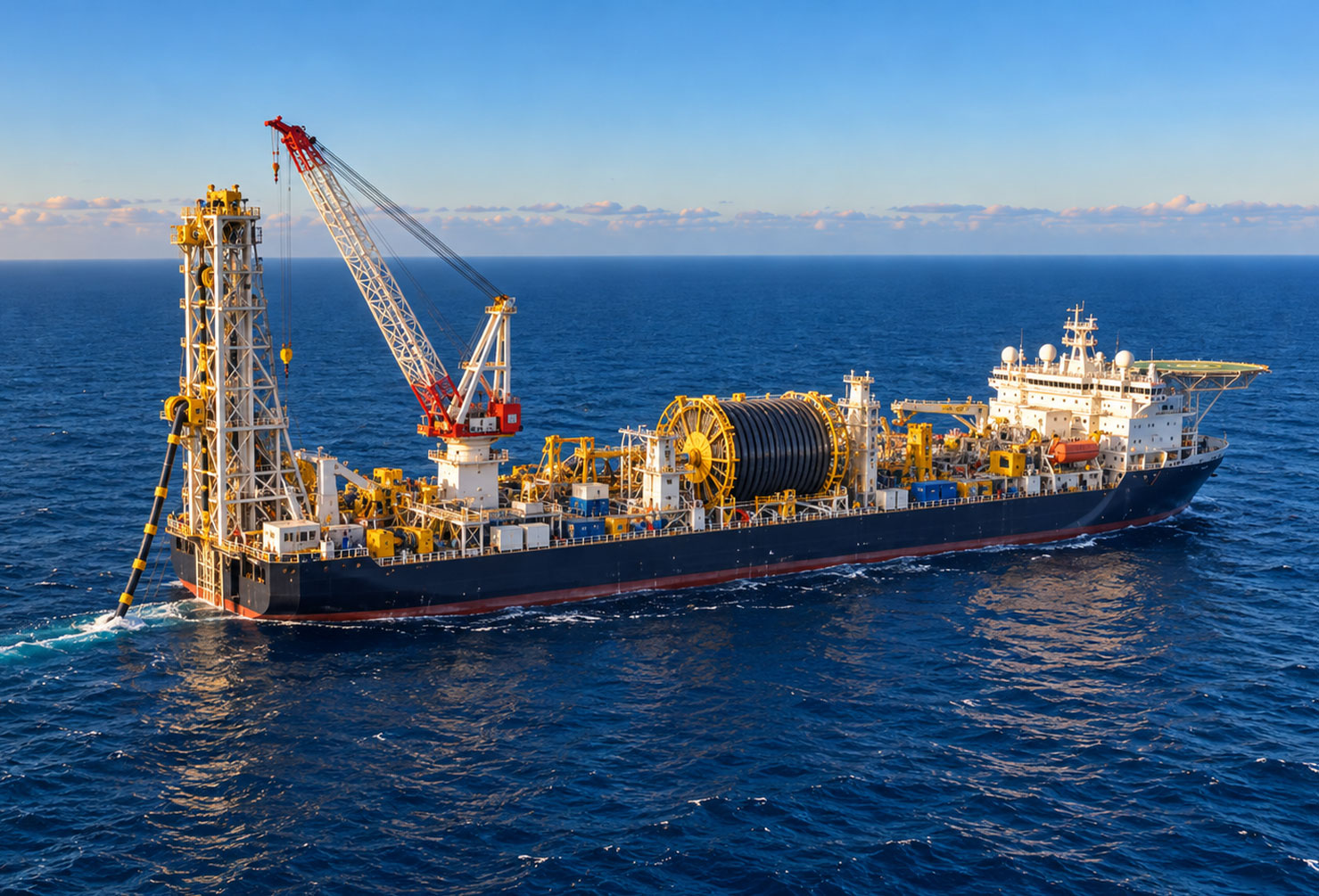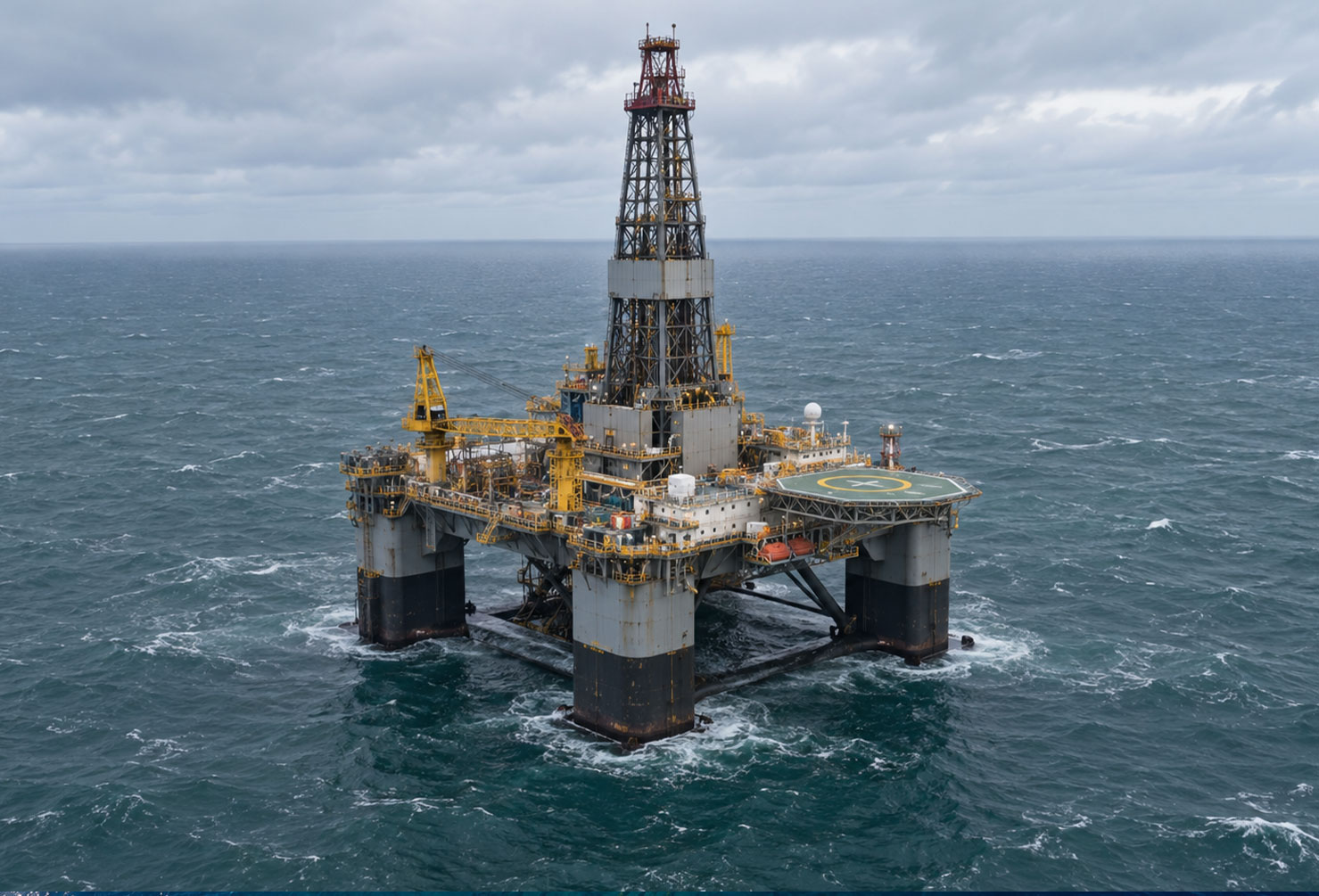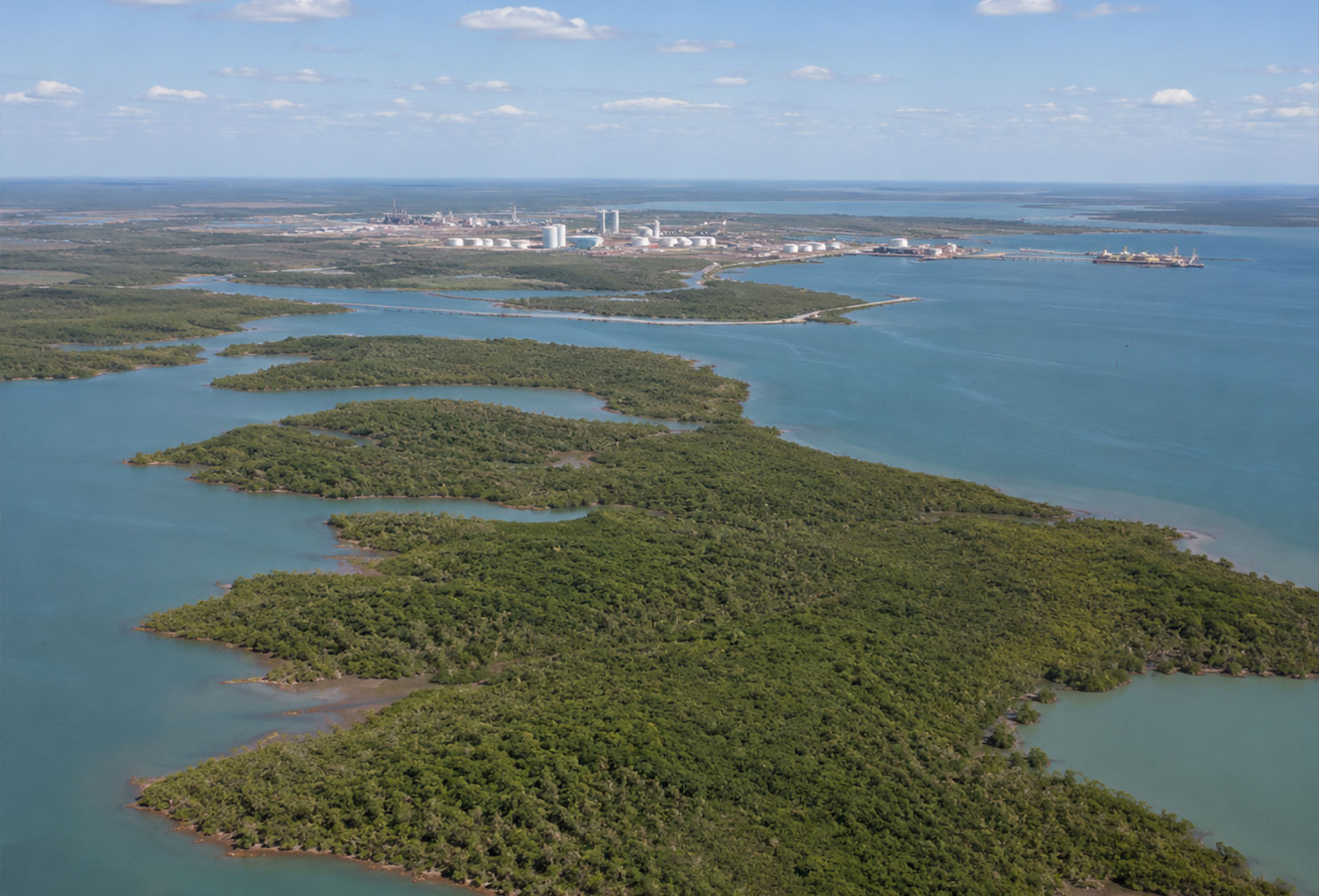
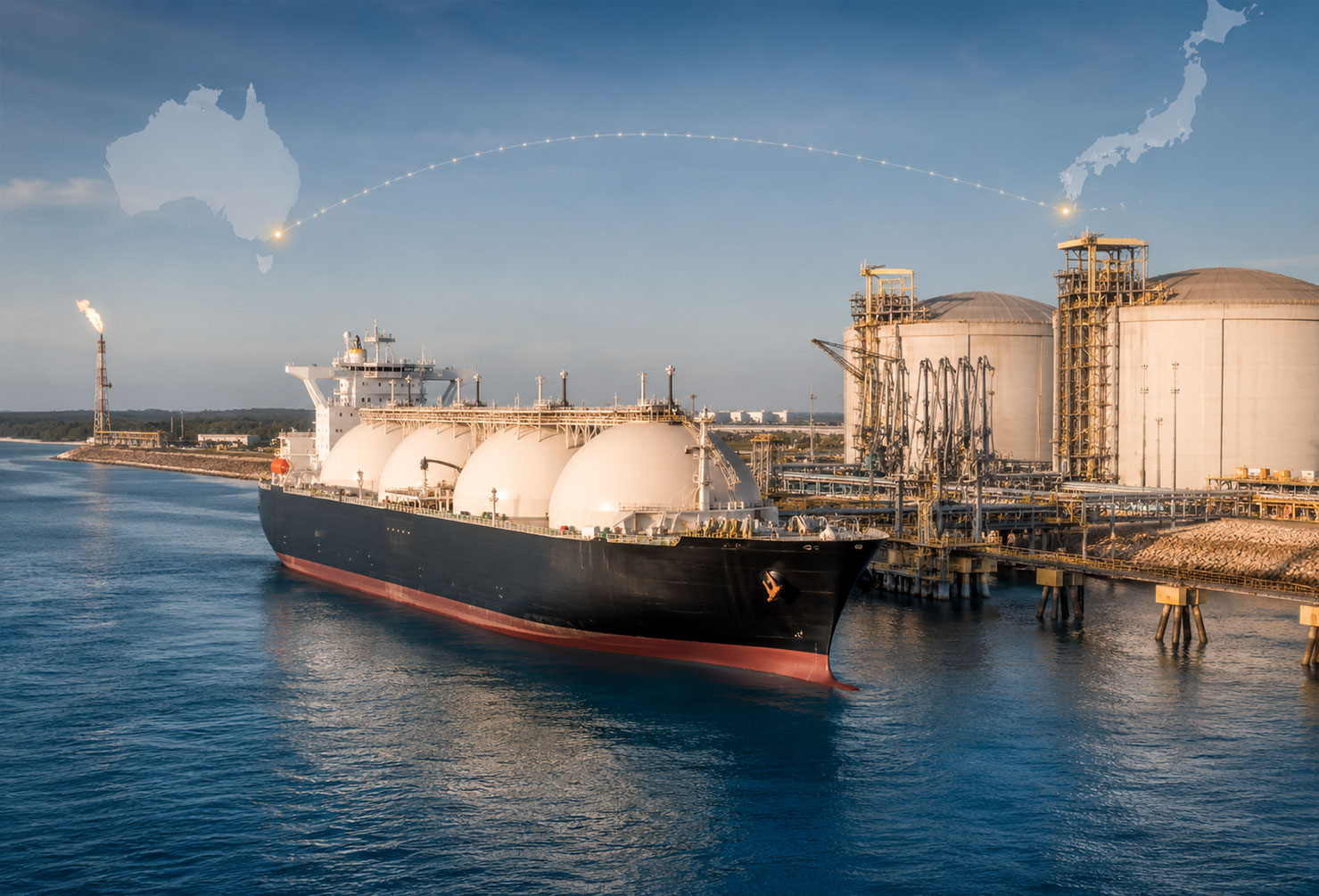
Santos loaded its first Barossa LNG cargo in January 2026. For a $6.8 billion project that has been in development for the better part of a decade, it was a significant moment. But the path from first commissioning gas to stable production was not a clean one, and the industry would do well to pay attention to what happened along the way.
Blocked heat exchangers, failed subsea valves, compressor dry seal replacements and a temporary planned shutdown in March 2026 were all part of the Barossa commissioning story. Santos management was transparent about these challenges, and the project is now ramping toward full capacity. But the issues raise practical questions about what it actually takes to get a complex offshore project from construction completion to reliable production, and what that means for the people and organisations responsible for delivering it.
Commissioning Is Not a Checkbox. It Is a Discipline.
There is a tendency in the industry to treat commissioning as the final administrative hurdle before a project becomes someone else’s problem. The Barossa experience is a useful reminder that it is nothing of the sort.
Commissioning on a large-scale offshore gas project is a multi-phase process that involves systematically verifying every system, subsystem and interface against its design specification before handing over to the operating team. At a facility like the Barossa FPSO located 285 kilometres north of Darwin, that means working through mechanical completion, pre-commissioning, systems completion, vendor commissioning and performance testing in a sequence that leaves very little margin for error.
When problems arise, as they did with Barossa’s heat exchangers and valve systems, the ability to diagnose and resolve them quickly depends heavily on having the right people on-site. Not just technically qualified people, but people with specific experience of dealing with similar failures on similar equipment in similar operating environments. That profile is not always easy to find on short notice.
The Skills Gap at the Commissioning-Operations Interface
One of the consistent pressure points in major project delivery is the handover from commissioning to operations. The people who build and commission a facility are often specialists in that phase of the lifecycle. The people who run a facility over the long term have a different profile. Bridging that gap, and managing it competently, is one of the most underappreciated workforce challenges in large-scale oil and gas projects.
For Barossa, the operational team needed to manage a series of unplanned technical issues while simultaneously ramping up production in a remote offshore environment. The skills required in that situation include:
- Subsea systems expertise, specifically around valve diagnostics and intervention planning
- Rotating equipment experience with FPSO-scale compressor systems
- Heat exchanger troubleshooting and performance restoration
- Production chemistry knowledge to manage flow assurance during ramp-up
- Operations leadership capable of managing multiple simultaneous technical issues
These are not generalist roles. They draw on a combination of technical depth and offshore operational experience that takes years to develop. When a project needs them at short notice, generic recruitment databases are rarely the answer.
What Operators Can Learn From the Barossa Experience
The commissioning challenges at Barossa were not unique to Santos or to that project. Similar issues have appeared at other major offshore developments. The lessons are worth drawing out clearly.
Specialist vendor and OEM support needs to be locked in before it is needed. The manufacturers of Barossa’s compressor systems were engaged to resolve the dry seal issues, but mobilising specialist vendor technicians to a remote offshore facility takes time. Pre-agreed access arrangements and rapid deployment protocols with key equipment vendors should be part of every commissioning plan.
Commissioning risk needs to be reflected in workforce planning. The people required to manage a complicated commissioning process are different from those required to run a project at steady state. Planning for that transition, including identifying and retaining the right profiles before problems arise, is considerably more effective than trying to source them in the middle of a technical crisis.
Independent technical review has genuine value at the transition point. An external specialist with no stake in the construction outcome can identify risks at the commissioning-operations interface that internal teams, often under schedule pressure, may not prioritise. That is not a criticism of project teams. It is recognition that fresh eyes with deep operational experience catch things that familiarity can obscure.
For Field Workers: The Barossa Effect on the Darwin Market
From a workforce perspective, Barossa’s ramp-up and the Darwin LNG life extension that supports it are creating sustained demand for experienced operational and maintenance professionals in the NT. The Darwin market has historically been smaller and less visible than WA, but the combination of Barossa, the Darwin Pipeline Duplication, Santos’ ongoing Beetaloo appraisal activity and the longer-term Middle Arm Precinct development is changing that picture.
For workers with offshore operations, subsea, production chemistry or rotating equipment experience, Darwin-based and FIFO roles into the Timor Sea are increasingly worth considering. The project pipeline is real, and competition for experienced people in this region is not yet at the level seen in WA.
The Broader Point
Australia is entering a period where multiple major projects are simultaneously moving from construction into commissioning and operations. Scarborough is next in the queue. The industry’s collective ability to navigate that transition well depends on having the right people, in the right places, at the right time.
That requires more than posting a job ad when a problem becomes urgent. It requires a workforce strategy that anticipates the commissioning phase, engages specialist partners early and keeps pre-screened candidates ready to mobilise when the need arises. Barossa showed what happens when the system is stretched. It also showed that projects can work through those challenges. The difference, more often than not, comes down to the quality of the people on site and the speed at which they can be deployed.