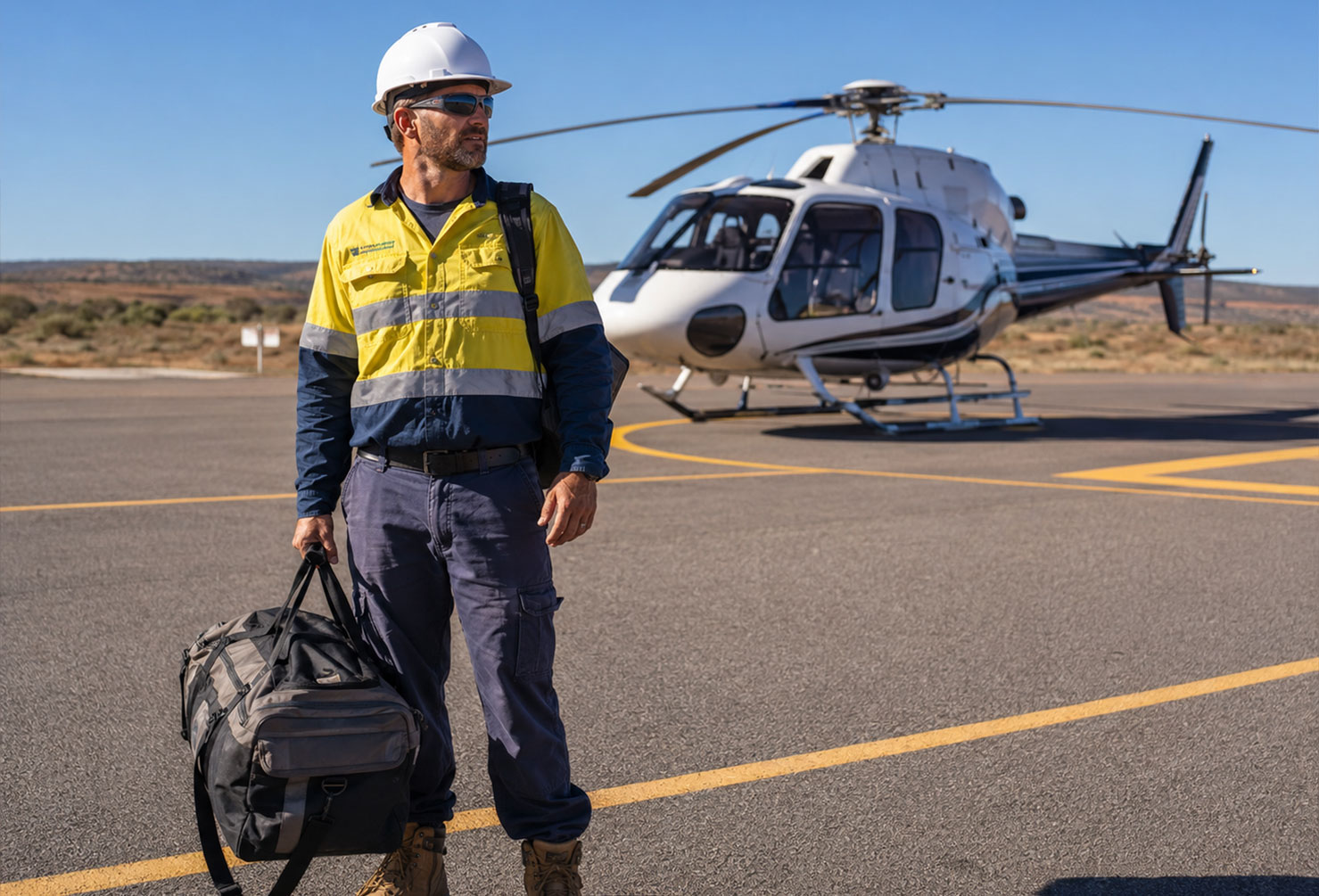
As Australia’s offshore oil and gas sector powers ahead into 2026, demand for skilled, certified workers continues. Major projects across WA, the NT and offshore Victoria are creating steady work for those who are ready and qualified. But as project requirements evolve and safety standards tighten, having the right offshore certifications is key to securing the best roles.
In this article, we break down the essential certifications workers need in 2026 to stand out in offshore oil and gas. Whether you are an experienced worker looking to stay competitive or someone aiming to break into offshore work, this is your practical guide.
Why Offshore Certifications Matter More Than Ever
Offshore employers prioritise safety, compliance and readiness. Certifications provide proof that a worker:
- Has the skills and knowledge needed to work safely in offshore environments
- Can meet site and regulatory requirements without delay
- Is serious about their career and prepared for the challenges of offshore work
In a competitive job market, being fully certified means faster mobilisation and better access to premium roles on Australia’s biggest projects.
Core Certifications Every Offshore Worker Needs in 2026
If you are applying for offshore roles in 2026, the following certifications are considered essential across most sites and operators:
1. BOSIET (Basic Offshore Safety Induction and Emergency Training)
BOSIET remains the primary entry-level safety certification for offshore workers. It covers:
- Sea survival and helicopter safety (including HUET – Helicopter Underwater Escape Training)
- Firefighting and self-rescue
- First aid and emergency procedures
BOSIET certification typically remains valid for four years. Workers should ensure their qualification is current and plan ahead for renewals.
2. MSIC (Maritime Security Identification Card)
An MSIC is required for access to Australian port facilities and offshore installations. Workers must undergo background checks to be approved for this credential.
3. High-Risk Work Licences (as relevant to your trade)
Depending on your role, this may include:
- Working at heights
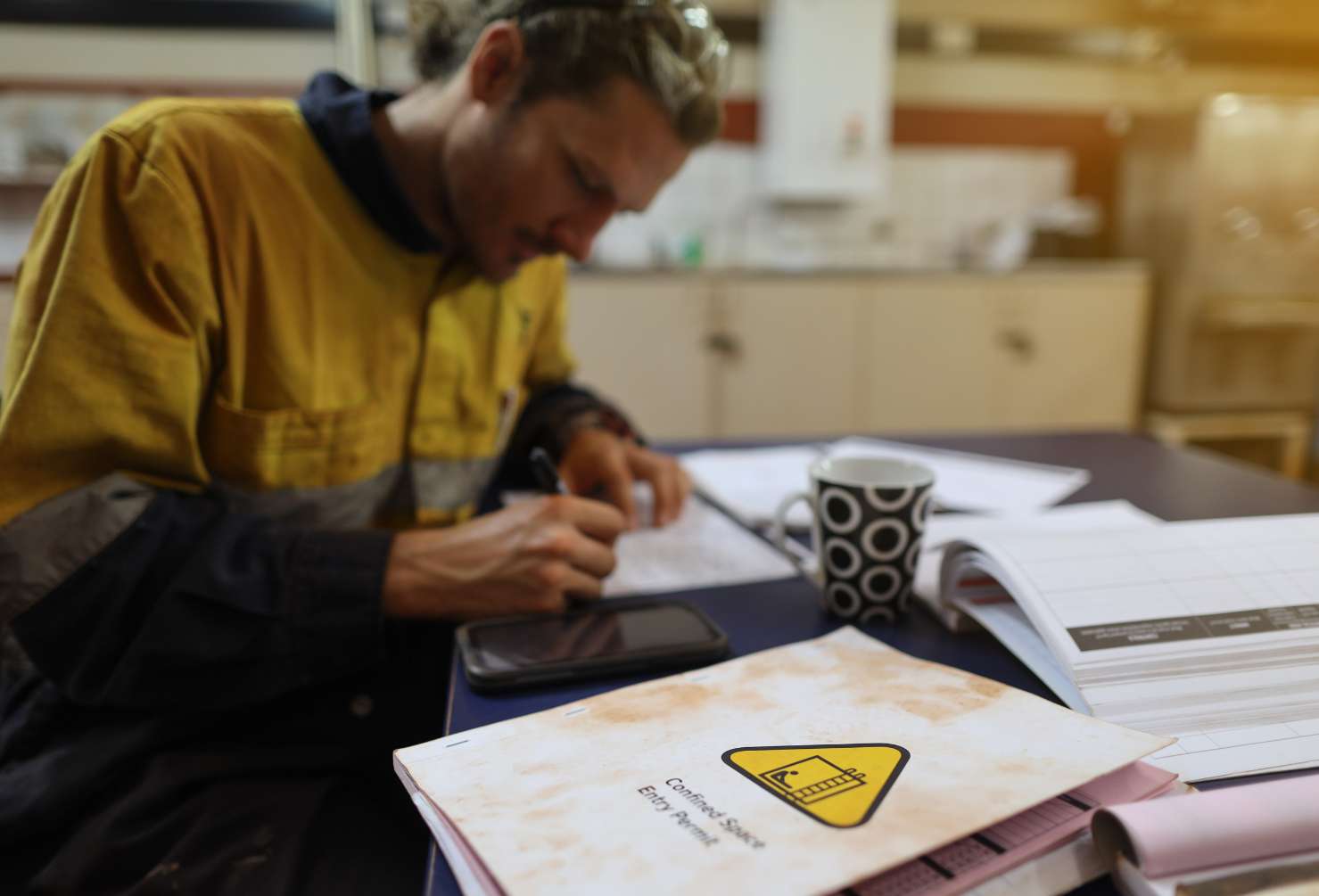
- Confined space entry
- Dogging, rigging or scaffolding
- Forklift or crane operation
Make sure your high-risk licences are valid and suited to the equipment and tasks common on offshore sites.
4. Medical Certification (OGUK / Australian equivalent)
Workers must meet health and fitness standards to work offshore. A valid medical certificate is a mandatory requirement for mobilisation.
Certifications That Add Value in a Competitive Market
Beyond the essentials, certain additional certifications can help you stand out and access more specialised or higher-paid roles:
- TBOSIET (Tropical BOSIET): Required for certain offshore locations with tropical conditions
- CA-EBS (Compressed Air Emergency Breathing System): Increasingly required for helicopter transfers
- Advanced firefighting or first aid: Shows preparedness to take on emergency response roles on site
- Permit to work and isolation training: Often a site or operator requirement that can speed up mobilisation
Upskilling in these areas shows employers you are serious about safety and capable of taking on more responsibility.
Digital and Site-Specific Training in 2026
Many offshore employers are integrating digital safety inductions and site-specific training as part of their onboarding process. While these may not be formal certifications, completing them promptly demonstrates:
- Your commitment to meeting project requirements
- Your readiness to mobilise without delays
- Your attention to detail and ability to follow procedures
Workers should stay on top of site-specific induction requirements for each operator and project.
Certification Trends to Watch in 2026
Several trends are shaping offshore certification requirements in 2026:
- Greater emphasis on CA-EBS training: Following updates to aviation safety standards, more employers are making CA-EBS mandatory for offshore helicopter transfers
- Focus on emissions and environmental compliance training: As operators work to meet emissions targets, additional training around environmental controls is becoming more common
- Integrated digital records: Employers are increasingly verifying certifications via digital platforms, so keeping your records up to date and accessible is essential
Workers who stay ahead of these trends will have an advantage in securing the best offshore opportunities.
How Employers Can Support Certification Readiness
Leading oil and gas employers know that having certified crews is critical to project success. Successful strategies include:
- Providing access to refresher training on site or through approved providers
- Covering the cost of essential certifications for long-term workers
- Helping workers track expiry dates and schedule renewals well in advance
- Offering upskilling programs linked to career progression
Employers who support certification readiness not only strengthen their workforce but also improve safety and compliance outcomes.
What Workers Can Do Now to Stay Job-Ready
If you want to secure the best offshore roles in 2026, take these steps:
- Audit your certifications: Check expiry dates and make a plan for renewals
- Book refresher courses early: Popular courses fill fast. Avoid delays by planning ahead
- Stay informed: Keep up with changes in safety standards, operator requirements and project needs
- Keep records organised: Digital copies of certifications should be easily accessible for employers and recruiters
- Consider upskilling: Adding additional certifications can improve your job prospects and earning potential
Taking ownership of your certification readiness is one of the most effective ways to stand out in the offshore job market.
At Enxgy, we work with oil and gas employers to connect certified, job-ready workers with leading offshore projects. We understand what operators are looking for and can help you navigate certification requirements, plan your next move and secure the roles that suit your skills. If you are ready to take the next step in your offshore career, contact us today.